
Prime Minister Andy Burnham has hailed his new deal with the European Union as a positive step for Britain and Europe following a summit with EU counterparts Ursula von der Leyen and Antonio Costa. The agreements cover new arrangements for food exports, youth mobility, and carbon emissions. The key takeaway is that the British government is now unambiguously committed to getting much closer to the EU, moving beyond the post-Brexit limits of past strategies. ## What happened The day began with confusion after an EU official briefed reporters that implementing new arrangements on youth mobility, food exports, and carbon emissions would be contingent on Britain agreeing within six months to cut university tuition fees for European students. This claim was later qualified by other EU figures and straightforwardly disputed by the British government. Despite the morning briefing, the press conference between Burnham, von der Leyen, and Costa remained warm. The settled position is that negotiations on student fees will continue into the next six months on a separate track, described by von der Leyen as a different sheet of paper. This carries political risk because reducing or equalising university fees would hit university finances, an economic gap that the government would likely need to cover. Negotiations will also continue regarding the UK being exempt from the EU's Made in Europe plans, which are designed to protect bloc industries from Chinese competition. Burnham stated that the government has gone as far as it can go with incremental deals within the post-Brexit architecture set out by Theresa May, marking an end to annual sector-specific summits under that framework. ## Why it matters The talks signal a fundamental shift in the UK's approach to Europe. Burnham is gambling that public regret over how Brexit has played out creates political space for a far-reaching renegotiation. Many Labour MPs view this as a path to uniting the progressive vote at the next election, though representatives from former industrial heartlands feel more apprehensive. Agreeing to lower tuition fees for European students would directly impact university funding, creating a financial burden that the government might be forced to absorb. ## The background For years, British foreign policy toward the European Union operated within the post-Brexit architecture established by Theresa May, which kept Britain outside the single market and the customs union. Successive prime ministers navigated a fraught relationship with Brussels, often risking their political careers in the process. Burnham is attempting a new approach, moving away from incremental sector-specific agreements toward a broader restructuring of the UK-EU relationship. ## What happens next Both sides have agreed to hold an informal brainstorming process next year to discuss potential options for future relations. Negotiations on student tuition fees and the Made in Europe industrial plans will continue over the next six months. It remains unclear how far Burnham is willing to go in reshaping the relationship and how domestic political pressures will influence the ongoing talks. ## Key takeaways - Prime Minister Andy Burnham reached a new agreement with EU leaders covering food exports, youth mobility, and carbon emissions. - Discussions regarding European student tuition fees will continue over the next six months on a separate track. - Burnham stated that the government has reached the limit of incremental deals within the existing post-Brexit framework. - Both sides agreed to participate in an informal brainstorming summit next year to explore future options for UK-EU relations.
World
Andy Burnham secures new EU deal and signals a much closer relationship
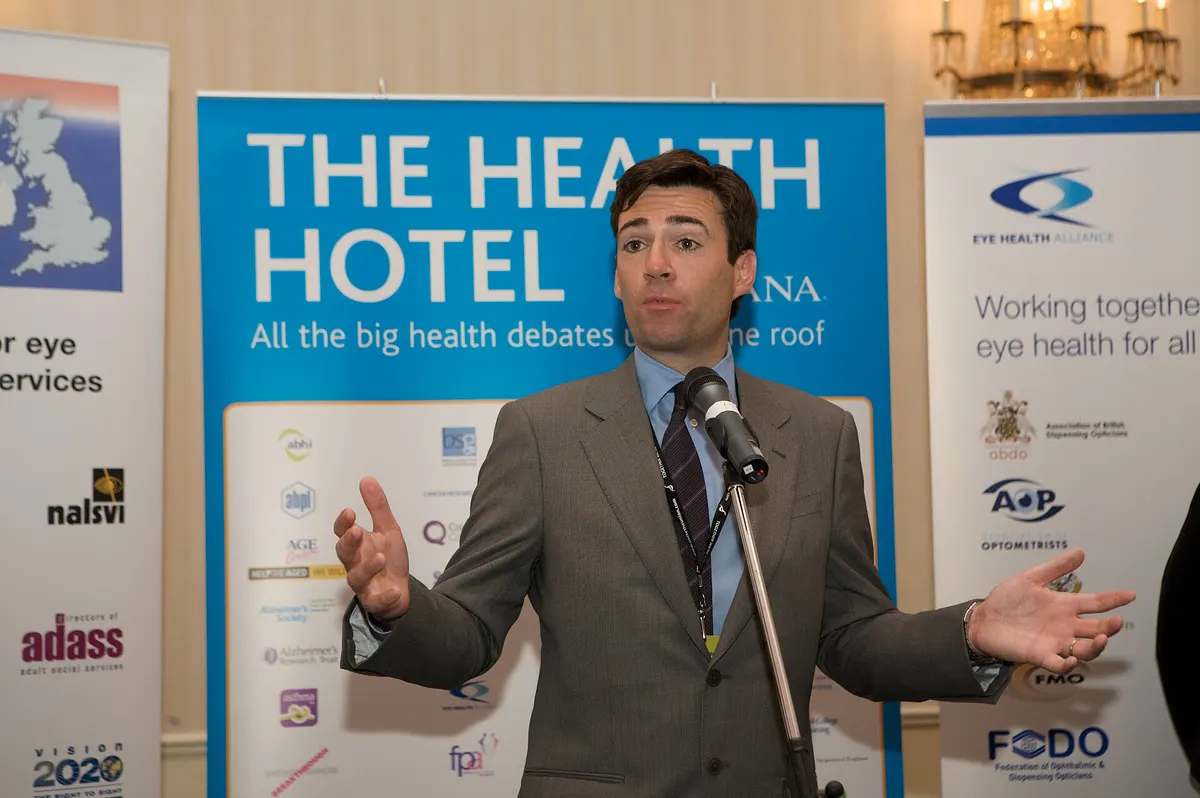
Photo: Credit: http://www.acumenimages.com. Uploaded to Flickr by T, CC BY-SA 2.0 / Wikimedia Commons
Prime Minister Andy Burnham has reached an agreement with EU leaders on youth mobility, food exports, and carbon emissions. The breakthrough signals a significant shift toward a much closer relationship with Europe.
Go deeper
Want more on this story? Our research assistant searches the latest reports across the web and explains what it finds, so you get the fuller picture in one place.