
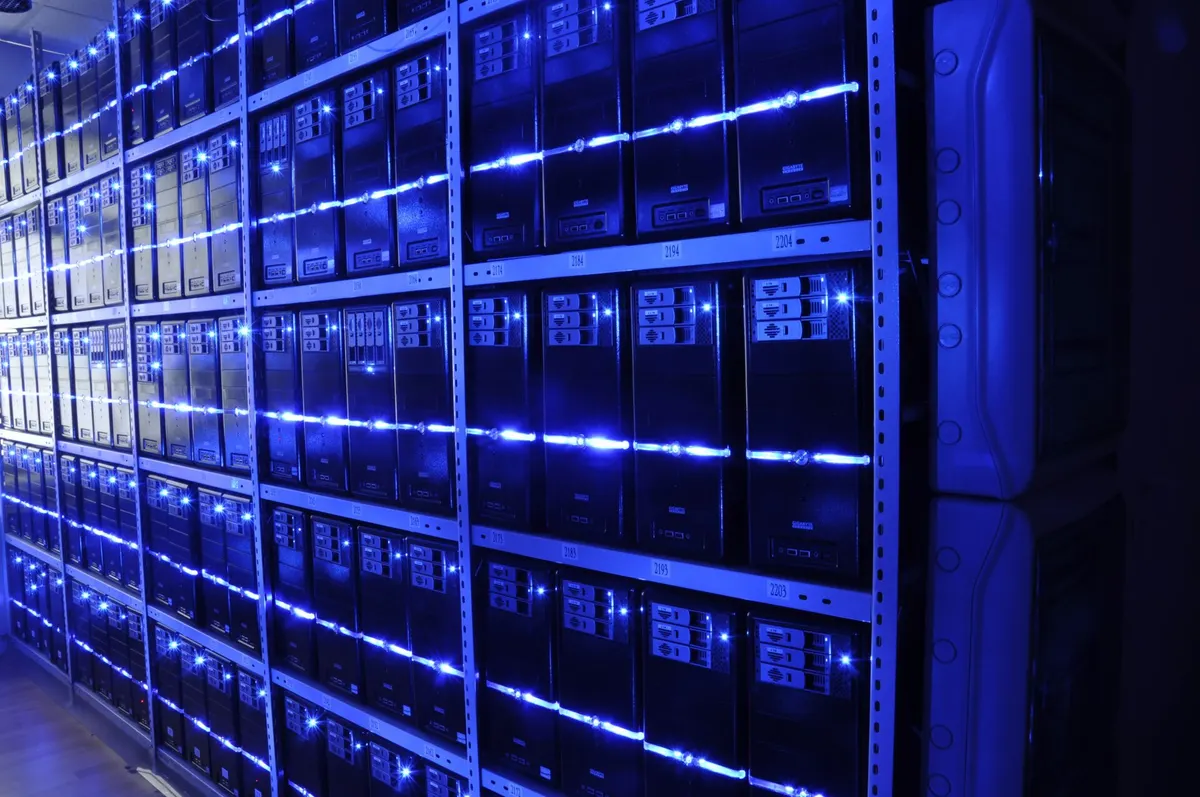
Server makers are imposing post-contract price increases of up to 45 percent on data center hardware months after agreements have been signed. Driven by an ongoing shortage of random-access memory, or RAM, suppliers are demanding significantly more money from corporate buyers before delivering ordered equipment.
The price hikes are hitting financial services and trading firms that rely heavily on computing power. While GPU servers have seen price increases of 20 to 30 percent, memory-heavy CPU nodes have doubled or tripled in cost. Despite the unexpected additions to their invoices, many well-funded buyers are choosing to absorb the costs rather than lose access to critical server hardware.
What happened
Financial and trading firms that placed server orders worth hundreds of millions of dollars are receiving updated invoices with price bumps ranging from 25 to 45 percent. These unexpected price revisions arrive months after formal contracts have been completed, creating a substantial gap between original quoted costs and final billing figures.
The main catalyst behind the price surges is a widespread shortage of dynamic random-access memory, commonly known as DRAM. As server makers struggle with rising component expenses, the cost increases are passed directly to customers. Servers configured with high-density CPU nodes, which require large volumes of system memory, have seen hardware costs double or triple. Even servers equipped with graphics processing units, or GPUs, have experienced price increases between 20 and 30 percent.
While many buyers are reluctantly paying the higher prices, some are challenging the practice in court. In June, financial firm XTX Finland Oy filed a lawsuit in an Irish court against a subsidiary of Dell. Dell requested an additional $62 million to $70 million on top of an agreed-upon $549 million contract for 1,680 servers. XTX had previously paid an extra $5 million specifically for a contract clause intended to prevent price increases, making the dispute a key test case for post-contract price adjustments.
Why it matters
The willing acceptance of inflated invoices by cash-rich financial institutions demonstrates how severe the supply shortage has become. When well-funded corporations pay 45 percent markups without canceling orders, server makers and chip fabricators retain total leverage over pricing terms across the technology market.
This pricing environment also indicates that RAM shortages are likely to persist for regular consumers and smaller business buyers. As long as enterprise customers are willing to absorb massive cost increases to secure compute capacity, component manufacturers have little financial incentive to reduce prices or alter contract practices. Furthermore, buyers who attempt legal action risk damaging long-term relationships with original equipment manufacturers, who currently hold upper hand in supply allocation.
The background
Data center servers rely on specialized hardware to perform complex calculations, machine learning tasks, and high-frequency financial trading. Processing nodes typically combine central processing units, or CPUs, with large amounts of system RAM, while specialized workloads use graphics processing units, or GPUs, to accelerate heavy computing tasks.
Contractual price protection clauses are standard tools used by enterprise buyers to lock in hardware costs months before delivery, protecting long-term capital budgets against market volatility. However, severe supply chain imbalances can strain these agreements when component costs spike dramatically between contract signing and final manufacturing.
What happens next
The ongoing legal battle between XTX Finland Oy and Dell's Irish subsidiary remains active, and its outcome could clarify whether price-locking contract clauses can legally withstand extreme market inflation. However, even if buyers win in court, equipment vendors may prioritize other clients in future hardware allocations.
For now, server manufacturers continue to dictate delivery terms and pricing updates. With demand for high-performance computing power outstripping supply, hardware vendors are expected to maintain high price tags on RAM and server nodes until component production catches up with global demand.
Key takeaways
- Server makers are raising hardware prices by up to 45 percent months after formal contracts are finalized.
- Shortages in RAM have doubled or tripled the cost of memory-heavy CPU nodes and raised GPU server costs by 20 to 30 percent.
- Financial firm XTX Finland Oy is suing a Dell subsidiary after being asked for up to $70 million extra on a $549 million server deal.
- Most financial institutions are choosing to pay the inflated invoices rather than forego valuable computing capacity.