
Technology reviewers have published a massive wave of evaluations over a two-week period, testing a wide array of new consumer gadgets ranging from smart home displays and augmented reality glasses to laptops and electric vehicles. The roundup highlights the strengths and weaknesses of hardware from major companies like Apple, Meta, Microsoft, and Google's software ecosystem.
The evaluations offer a practical look at how these devices perform in everyday use, noting that high price tags and software limitations often hold back otherwise promising hardware.
What happened
Billy Steele evaluated a trio of new Apple products following the company's Welcome Home event, starting with the HomeView smart display. The device features a crisp screen, refined design, and category-leading sound, but it relies heavily on an iPhone, runs CarPlay-enabled apps, and features a Siri artificial intelligence assistant that struggles with basic tasks. The new Apple TV 4K remains a top streaming box with built-in mics for Siri, though its higher price makes it harder to recommend. Meanwhile, the HomePod mini 2 is not currently worth considering until it receives an upgrade to the new version of Siri AI, which has no release timeline.
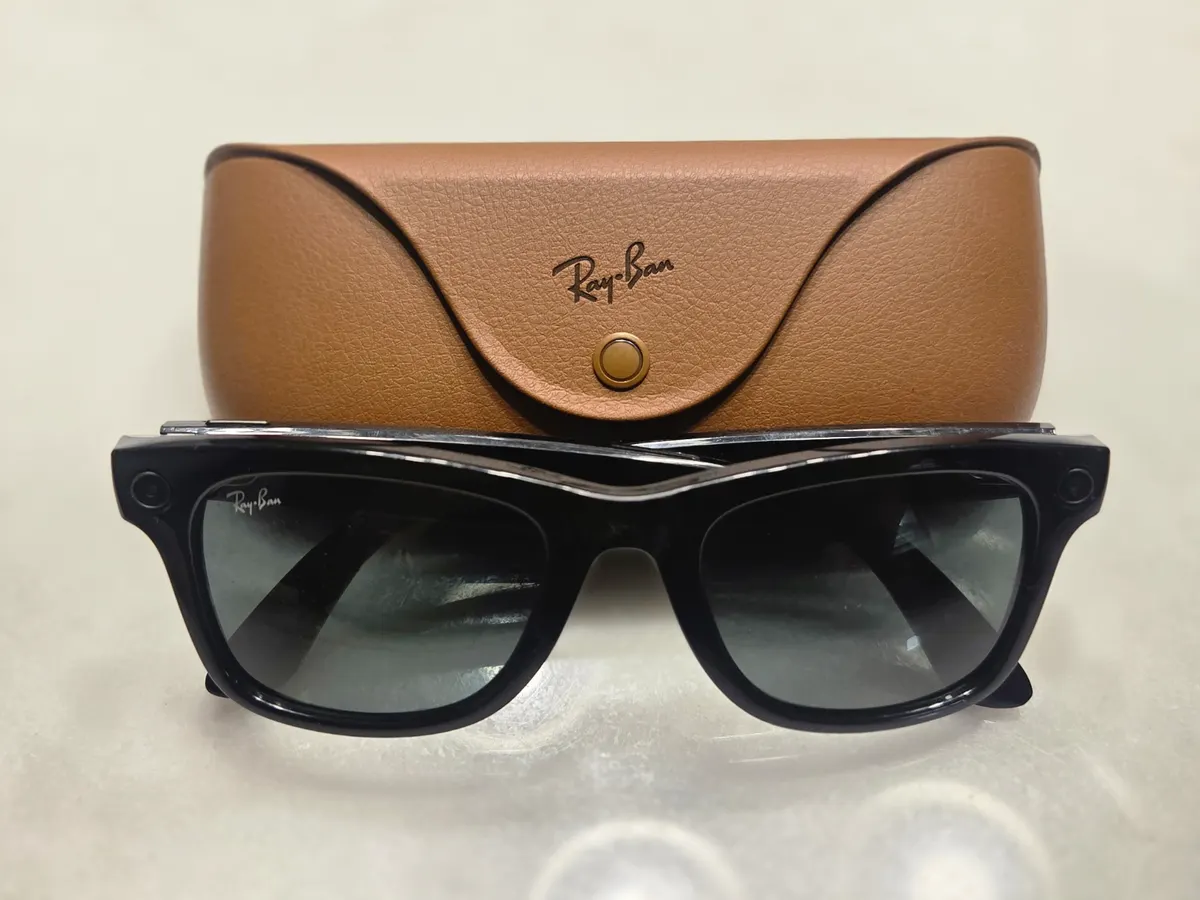
Karissa Bell tested the Ray-Ban Meta Gen 3, noting that the flagship smart glasses retain cameras but lack displays while carrying a higher price tag without offering much advancement over the previous model. Devindra Hardawar reviewed the Xreal Aura Android XR glasses, finding that the light and comfortable hardware is hampered by a half-baked Google platform and costs twice as much as previous hardware. Hardawar also tested Microsoft's Surface Laptop Ultra, praising its sleekness and power while noting it lags behind Apple's M5 Pro laptops in performance. James Trew tested the HoverAir Versa, a gadget that transforms between a gimbal camera and a drone, concluding it does not excel at either task. Mat Smith tested the Nacon Revolution 5 Unlimited controller, Jessica Conditt used the Sony Gaming Monitor, and Sam Rutherford tested the SteelSeries Rival Pro mouse. Tim Stevens drove the 2027 Chevy Bolt electric vehicle, Sam tested the Pixel Tag, Daniel Cooper monitored brain waves with Neurable One headphones, and Cooper also tested the Pebble Index 01 ring.
Why it matters
Consumers investing in high-end consumer technology face a landscape where premium hardware is frequently hindered by incomplete software. Products like the Xreal Aura and Apple's new HomePod mini demonstrate that cutting-edge physical design cannot always overcome software platforms that are not yet fully realized. Furthermore, rising price points across streaming boxes, smart glasses, and laptops mean buyers must weigh significant financial costs against incremental upgrades or lagging performance.
The background
Technology publications regularly review hardware releases ahead of major holiday shopping periods to help consumers navigate crowded markets. Major firms like Apple and Meta continually release iterations of their flagship ecosystems, ranging from smart home hubs to wearable augmented reality glasses. Software platforms such as Google's Android XR and Apple's Siri AI represent ongoing industry efforts to integrate advanced artificial intelligence and extended reality into everyday consumer electronics.
What happens next
Most of the reviewed devices are currently available for purchase or have been recently announced, though certain products like the HomePod mini 2 remain on hold pending future software updates. Reviewers noted that upcoming software integration will determine the long-term utility of several devices, such as Apple's AI-dependent home accessories and Google's XR platform.
- Billy Steele reported that Apple's debut smart display features category-leading sound and a refined design but suffers from a Siri assistant that fails at fairly basic tasks.
- Devindra Hardawar found that the Xreal Aura smart glasses cost twice as much as previous hardware due to being hampered by a half-baked Android XR platform.
- Microsoft's Surface Laptop Ultra was praised for its sleek refinement by Devindra Hardawar, though it lags behind Apple's M5 Pro laptops in performance.