
Samsung has released its latest flagship wireless earbuds, the Galaxy Buds 4 Pro, positioning them as a premium option for users seeking high-fidelity audio and advanced feature integration. Designed with a focus on both sound quality and smart functionality, these earbuds aim to compete at the top end of the personal audio market.
While the earbuds offer broad compatibility with various devices through standard Bluetooth, they are specifically engineered to provide a deeper feature set when used alongside Samsung's own Galaxy ecosystem. Potential buyers should weigh these technical advantages against the standard retail price and the availability of promotional discounts.
What happened
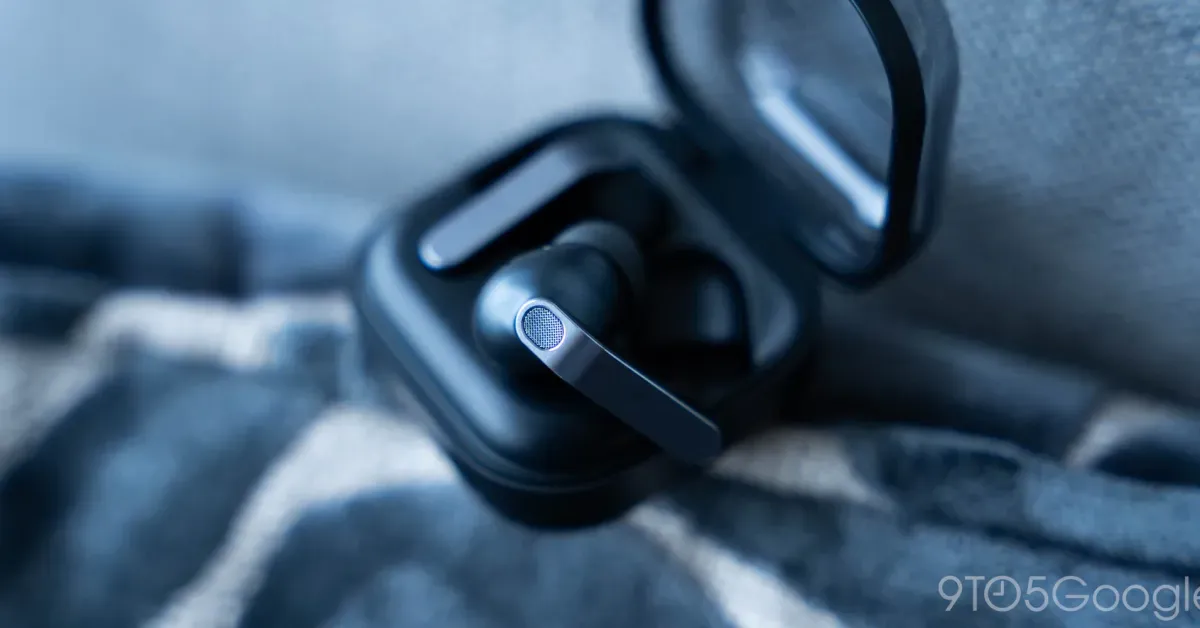
The Galaxy Buds 4 Pro utilize a hardware configuration featuring a larger main driver paired with a dedicated tweeter to produce a balanced sound profile. The device supports 24-bit/96 kHz UHQ audio, though this high-resolution capability is restricted to compatible Samsung Galaxy devices. For communication, the earbuds employ a blade stem design that positions microphones closer to the user's mouth, supported by software intended to reduce environmental noise during calls.
Key features include adaptive active noise cancellation, which automatically adjusts its intensity based on the user's environment, such as increasing isolation on a plane or decreasing it in quieter settings. The hardware also integrates AI-powered tools, including real-time translation for 22 languages and accessibility features like an FDA-approved hearing aid mode. Users can control playback through pinch gestures, swipes, and head movements, while AI assistants like Bixby and Gemini are accessible directly through the buds.
Why it matters
For consumers, the primary consideration is the level of integration with their existing technology. While the earbuds function as standard Bluetooth devices on Windows PCs, tablets, and smartphones from other brands, the most advanced audio codecs and control settings—such as EQ adjustments—are baked into Samsung's One UI software. This means that users outside the Samsung ecosystem may experience a more limited feature set compared to those who own a Galaxy smartphone.
The earbuds are also built for durability, featuring an IP57 rating, which indicates resistance to both water and dust. This makes them a practical choice for users who exercise outdoors or live in regions with unpredictable weather, though the sealed in-ear design provides a different experience than open-ear alternatives like the Galaxy Buds On.
The background
Samsung is a global technology conglomerate that produces a wide range of consumer electronics, including smartphones, tablets, and wearable audio devices. The Galaxy Buds line represents the company's effort to maintain brand loyalty by creating a cohesive ecosystem where hardware and software work in tandem. The introduction of AI-driven features like Live Translate and voice-activated assistance reflects a broader industry trend of integrating artificial intelligence into everyday consumer hardware to provide added utility beyond simple audio playback.
What happens next
The Galaxy Buds 4 Pro are currently available at a standard retail price of $249.99. However, the market for high-end earbuds is subject to frequent promotional pricing, particularly during holiday periods and major retail sales events. Consumers are encouraged to monitor major electronics retailers for potential discounts. It remains to be seen how future software updates to the Galaxy ecosystem might further expand or refine the AI capabilities currently present in the device.
Key takeaways
- The Galaxy Buds 4 Pro feature a dual-driver system and support high-resolution 24-bit audio when paired with compatible Samsung hardware.
- Advanced features like adaptive noise cancellation, real-time language translation, and specific EQ controls are optimized for use within the Samsung Galaxy ecosystem.
- The earbuds are rated IP57 for water and dust resistance, making them suitable for active use and outdoor environments.
- While they function as standard Bluetooth devices with any smartphone or computer, non-Samsung users will not have access to the full suite of proprietary software features.