
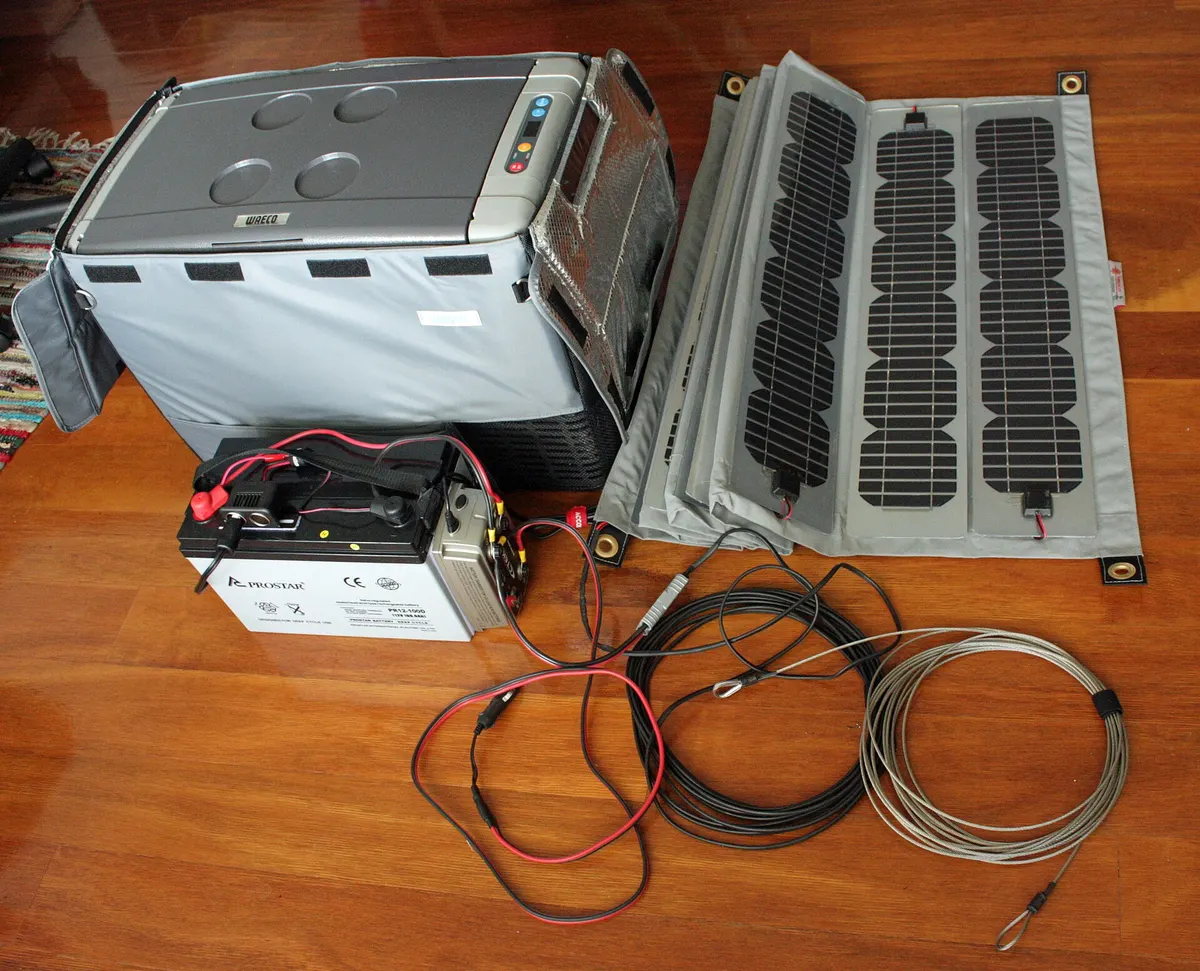
When you are hiking far from an electrical outlet or dealing with a power outage, having a backup power bank for your mobile devices is useful. Eventually, however, a standard power bank will run out of energy. For those looking to avoid a dead phone battery, portable solar panel chargers provide an off-grid alternative.
Choosing the right solar charging setup depends on your specific needs, how much equipment you want to carry, and how you plan to use the power. Options range from lightweight clothing accessories to larger battery-backed power stations.
What happened
There are several distinct types of solar-powered charging devices available on the market. A panel-only charger allows you to plug a device like a phone directly into it, converting sunlight into power instantly with no built-in way to store that energy for later use. Other chargers incorporate built-in batteries, allowing users to store energy during the day and charge their devices at night or during cloudy weather. For heavier power needs, portable power stations can charge several devices simultaneously; these compact units can weigh as little as four pounds.
Beyond traditional standalone panels and power stations, manufacturers have introduced innovative form factors like solar-hats. For instance, the EcoFlow Power Hat features eight mini solar panels built into its brim. During testing in direct summer sun, the hat recharged a Google Pixel 8 from 83 percent to 93 percent in thirty minutes, reaching a maximum power output of 7 watts compared to its manufacturer rating of up to 12 watts.
When evaluating portable solar chargers, buyers must consider wattage outputs. Smaller, lightweight models typically produce between 15 and 50 watts, which is sufficient for charging smaller devices like phones. However, real-world performance is affected by variables such as cloud cover or how the panels are angled toward the sun. Additional considerations include the number of USB-C ports, physical size, folding capabilities, backpacks clips, and safety features like water resistance, overcharge protection, and temperature control.
Why it matters
Portable solar power allows outdoor enthusiasts, campers, and individuals experiencing power outages to maintain communication and navigation capabilities without relying on the electrical grid. Selecting the right equipment prevents users from carrying unnecessary weight while ensuring their devices receive adequate electricity.
The background
Solar power technology converts sunlight into electrical current using photovoltaic cells. While solar panels are commonly installed on permanent residential and commercial rooftops, advancements in manufacturing have allowed for smaller, portable panels suitable for outdoor consumer electronics. Generating electricity from portable panels typically yields direct current (DC) power, which can be used directly or stored in batteries.
What happens next
Consumers looking to adopt portable solar charging must navigate a diverse market of varying panel sizes, battery capacities, and price points, such as solar hats retailing around $129. Future developments will likely focus on improving the efficiency of flexible and wearable solar materials.
- Portable solar chargers range from lightweight panel-only units to systems with built-in batteries and larger power stations.
- Smaller portable solar models typically produce between 15 and 50 watts, which is suitable for recharging phones and smaller devices.
- Real-world charging speeds are heavily influenced by environmental variables such as cloud cover and proper panel angling.
- Wearable solar products like the EcoFlow Power Hat can recharge a smartphone by roughly 10 percent in thirty minutes of full sunlight.