
Anastasiya Gribanova, a journalist covering the Russia-Ukraine war for the BBC World Service, discovered in February last year that three of her family members had died in her home village of Dachne in the Donbas region. Her mother, who lives in Siberia and supports Moscow, blamed Ukrainian troops for the deaths. Gribanova set out to investigate the true circumstances of what happened to her father, Serezha, and her grandparents. The investigation reveals the profound personal fractures caused by the conflict, as well as the immense difficulties of uncovering facts in territory under Russian military occupation. By speaking covertly with remaining villagers, Gribanova began to piece together the events that led to the loss of her family. ## What happened Gribanova's village of Dachne is located in Donetsk, in the predominantly Russian-speaking Donbas region of eastern Ukraine. Pro-Russian forces had captured parts of the area in 2014, and Russia subsequently launched its full-scale invasion in February 2022. Russia publicly announced the capture of Dachne on 14 February 2025, and it has remained under Moscow's control since. In January 2025, Gribanova's mother sent a text message stating that her grandparents and father, Serezha, were gone. Her mother blamed Ukraine for the deaths. Following the first anniversary of her father's death, Gribanova reconnected with her sister Sasha, who had been living in Moscow, and the two decided to investigate together. Because Russian forces occupied Dachne, Gribanova could not travel there personally. She found the phone number of a local man named Misha in a village messaging chat. Misha had been with Serezha on the day he died. Misha reported that on 26 January, he found Serezha injured after being "clipped" by a drone. Serezha asked for a first aid kit and said the wound was not serious. When Misha returned a couple of hours later, Serezha was dead. Misha and two other villagers buried Serezha in a greenhouse. While it is impossible to know which side operated the drone, Russian drones were constantly targeting the village at that time. Gribanova's investigation into the deaths of her grandparents indicated that their house on the eastern side of Dachne had been destroyed, forcing them to flee to another home on the same street. ## Why it matters The story illustrates the deep personal and familial divisions torn open by the ongoing war in Ukraine, where families are often separated by front lines and opposing political loyalties. It highlights how access to information is severely restricted in Russian-occupied territories, forcing relatives of those living under occupation to rely on covert communications and risk the safety of local witnesses just to learn how their loved ones died. ## The background The Donbas region in eastern Ukraine has been a focal point of conflict since 2014, when pro-Russian forces seized large parts of the area. Following Moscow's full-scale invasion in February 2022, entire towns and cities in Donetsk have been heavily destroyed. Exposure to Russian state TV over the years cemented pro-Moscow sentiments among many residents who remained in the region, including Gribanova's mother, who was born in Siberia. Russia currently occupies nearly 80 percent of Donetsk. ## What happens next Gribanova's investigation into her family's deaths is documented in a BBC Eye Investigations project titled "Who Killed My Family?", which is available to watch on BBC iPlayer and listen to as a podcast. The full details surrounding her grandparents' deaths remain part of her ongoing inquiry, while her relationship with her sister Sasha has been restored through their shared grief. ## Key takeaways - BBC journalist Anastasiya Gribanova investigated the deaths of her father and grandparents in her home village of Dachne in eastern Ukraine. - Gribanova's mother blamed Ukrainian troops for the deaths, reflecting the pro-Moscow sentiments common in the Russian-occupied Donbas region. - A local resident named Misha revealed that Gribanova's father had been injured by a drone before dying and being buried in a greenhouse by neighbors. - Russian forces captured Dachne in February 2025, making it impossible for Gribanova to travel there in person to investigate the site.
World
A BBC Journalist Investigates the Deaths of Her Family in Occupied Ukraine
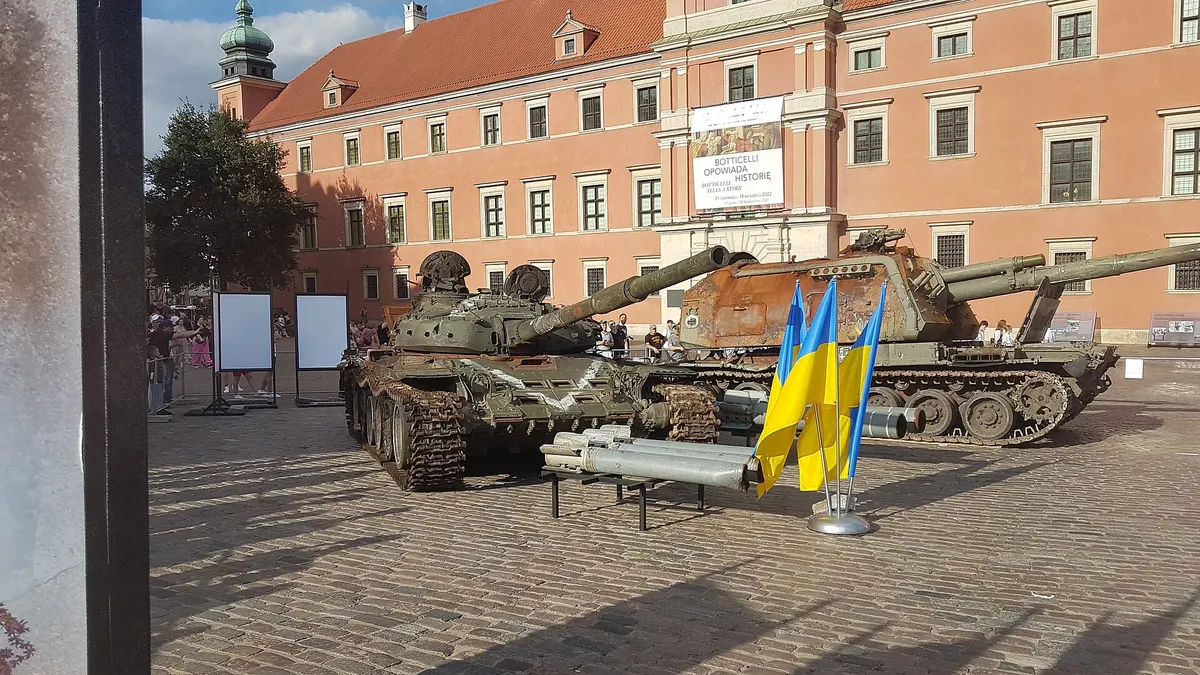
Photo: Kracho, CC BY-SA 4.0 / Wikimedia Commons
A BBC journalist investigates the deaths of her father and grandparents in her occupied home village in eastern Ukraine, navigating grief and divided family loyalties along the way.
Go deeper
Want more on this story? Our research assistant searches the latest reports across the web and explains what it finds, so you get the fuller picture in one place.