
U.S. Air Force Flagship Cloud Platform Hit by Cyber Intrusion Amid Federal Agency Wave
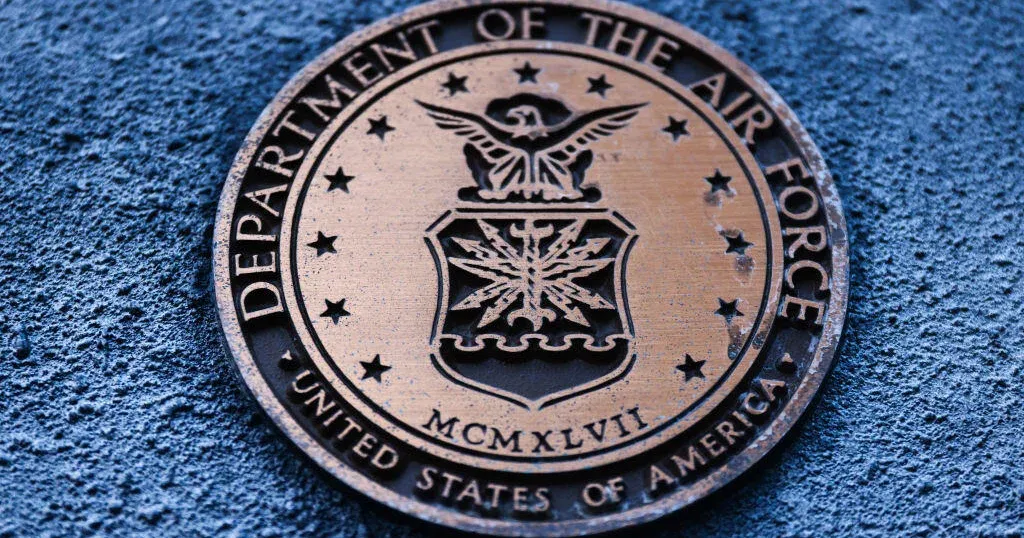
A metal seal displaying the Department of the Air Force emblem.
Hackers have breached Cloud One, the flagship cloud computing platform of the U.S. Air Force, potentially exposing sensitive tactical, personnel, and logistics information. Discovered during recent system upgrades, the incident comes amid a wider series of cyberattacks affecting multiple U.S. federal entities. Defense officials have maintained that mission-critical operations remain secure while investigations and security reviews continue.
- TargetCloud One, the U.S. Air Force flagship cloud computing platform
- DiscoveryWithin the last month during system upgrades
- ContractorLeidos (main contractor operating Cloud One under a $454.9 million modernization contract)
- Cloud ManagersMicrosoft, Amazon, Oracle, and Alphabet
- StatusInvestigating; exact data theft and hacker identities not yet established
Photos
2 photosWhat happened
Hackers successfully breached Cloud One, the flagship cloud computing platform operated by the U.S. Air Force, potentially exposing sensitive military, personnel, and tactical information. The platform serves as a central hub for IT needs across the branch, managing everything from basic personnel data and pay to logistics and maintenance operations.
Beyond administrative and logistical functions, the affected infrastructure is utilized for command and control purposes. It also supports the theater-integrated combat munitions system, or TICMS, which tracks and manages munitions inventories across more than 200 locations worldwide, making the intrusion a severe concern for military readiness.
Military aircraft in flight.
How it unfolded
The cyberattack was uncovered within the past month or so during routine system upgrades across the network. According to sources familiar with the matter, intruders exploited an existing software vulnerability to reach deep into the platform's control systems.
While investigators work to determine the full scope of the breach, security analysts note that bad actors could theoretically leverage such access to monitor the operational status of military aircraft or track the movement of crucial spare parts. Reporters have been unable to conclusively establish the exact identity of the hackers or confirm whether specific data files were downloaded or stolen.
What the reports confirm
Multiple sources confirmed to news outlets that the breach targeted the U.S. Air Force's Cloud One system and was identified during recent maintenance and upgrade procedures. Both reports highlight that the incident is part of a broader, troubling wave of digital intrusions targeting various U.S. government entities.
Where the reports diverge is in their supplementary details: one report focuses heavily on the involvement of federal technology contractor Leidos and broader government cybersecurity shakeups, such as the departure of White House National Cyber Director Sean Cairncross. The other report delves deeper into the technical architecture of Cloud One—noting its reliance on commercial tech giants Microsoft, Amazon, Oracle, and Alphabet—and outlines specific concerns regarding tactical munitions tracking systems.
Why it matters
Cloud One is not merely a data storage facility; it is the technological backbone underpinning the Air Force's daily administrative, logistical, and combat-support functions. A successful compromise at this level poses a significant risk to national security by potentially granting unauthorized parties visibility into troop movements, supply chains, and aircraft operational readiness.
Furthermore, the incident arrives on the heels of multiple reported electronic break-ins across other high-profile federal agencies, including the Federal Bureau of Investigation, the National Security Agency, the Central Intelligence Agency, and the Department of Agriculture. This clustering of attacks points to an unprecedented pressure test on the cybersecurity postures of critical government infrastructure.
Response and aftermath
In official statements, an Air Force spokesperson declined to confirm or deny the breach directly, adhering to standard policy that prohibits public commentary on the security posture, vulnerabilities, or operational status of specific military networks. The spokesperson emphasized that ensuring the security and availability of warfighting assets remains a top priority.
Meanwhile, the Department of Defense issued a follow-up statement asserting that its core systems are safe, secure, and monitored continuously by expert teams, pledging to maintain all mission-critical operations without disruption. Leidos, the primary tech contractor tasked with operating and securing Cloud One under a $454.9 million modernization contract, declined to comment specifically on the hack and deferred all inquiries back to the Air Force.
What we still don't know
Despite confirmation of the network intrusion, several critical questions remain unanswered. Authorities have not yet established the identity or origin of the hackers responsible for the Cloud One breach.
Additionally, officials have not clarified the precise extent of the data exposure, leaving it unverified whether sensitive files were actively exfiltrated or if the intruders were restricted to reconnaissance within the control systems.
Want more on this story? Our research assistant searches the latest reports across the web and explains what it finds, so you get the fuller picture in one place.