
Strobe Talbott, Diplomat and Architect of Post-Soviet Policy, Dies at 80
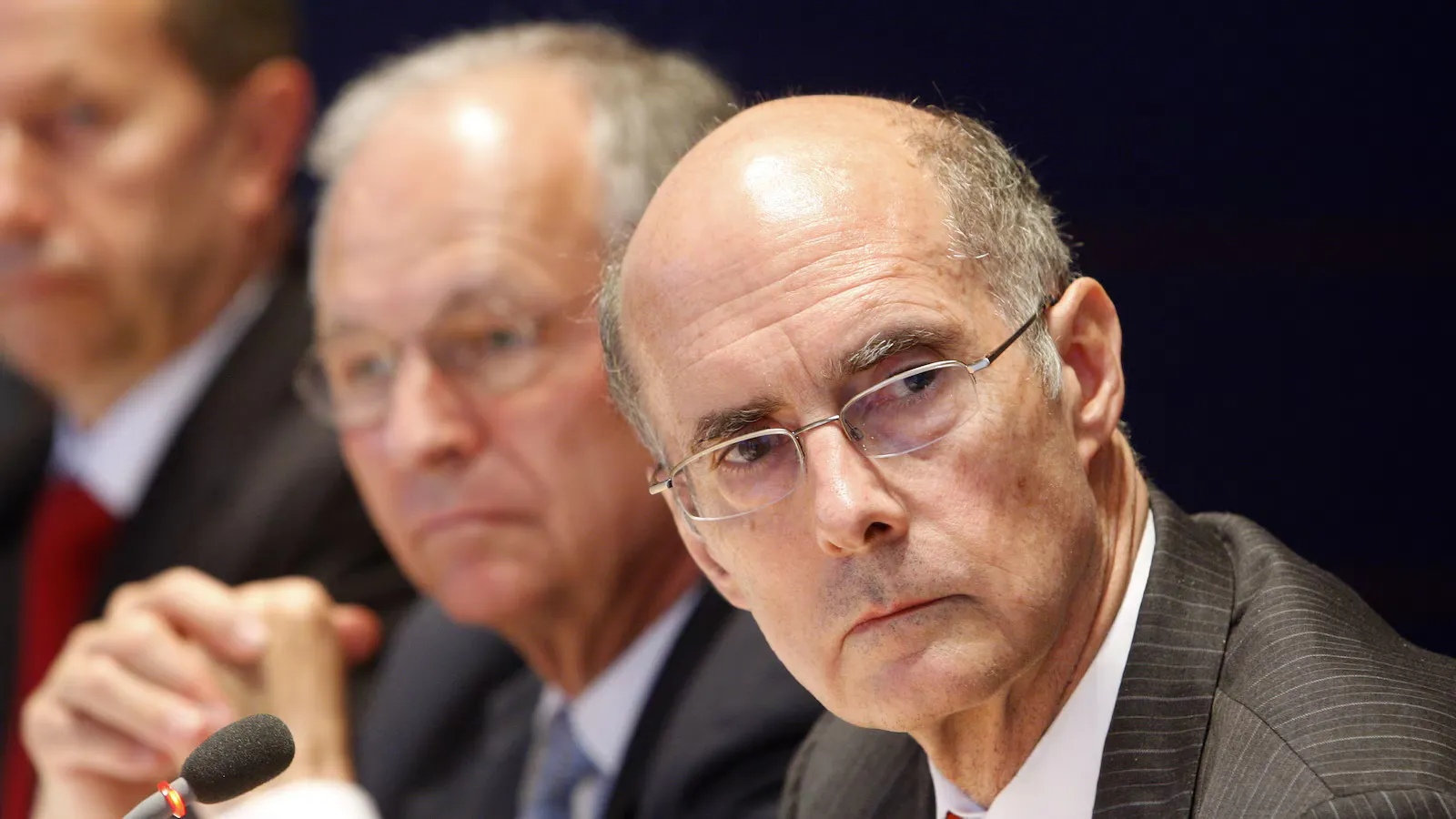
Strobe Talbott during his career in public service and foreign policy.
Strobe Talbott, a prominent journalist turned diplomat who shaped American foreign policy toward Russia and post-Soviet nations under President Bill Clinton, has died at the age of 80. Passing away in his East Hampton, New York home following a long illness, Talbott leaves behind a legacy spanning decades at Time magazine, senior State Department negotiations, and leadership at the Brookings Institution. His career bridged journalism, academia, and high-stakes international diplomacy.
- NameStrobe Talbott
- Age80
- LocationEast Hampton, New York
- Key RolesDeputy Secretary of State, Brookings Institution President, Washington Bureau Chief for Time
What happened
Strobe Talbott, a foundational figure in modern American foreign policy and former journalist, passed away at his home in East Hampton, New York. His death at age 80 followed a long illness, according to confirmation from his son, Devin Talbott.
Throughout his life, Talbott navigated the highest echelons of journalism, government, and intellectual research, ultimately helping to define U.S. strategy during the critical post-Cold War era.

How it unfolded
Talbott's professional trajectory began during his student years at Yale University and Oxford University. While studying at Oxford, where he roomed with future U.S. President Bill Clinton, Talbott undertook an internship for Time magazine in Moscow. This led to an assignment translating the leaked memoirs of Nikita Khrushchev, the ousted first secretary of the Communist Party of the Soviet Union.
The translation work brought young Talbott early notoriety and secured him a position at Time. He spent 21 years at the magazine, focusing heavily on Soviet-American relations and rising to positions including Washington bureau chief and foreign-affairs columnist.
When Bill Clinton assumed the presidency, Talbott was called into public service. He joined the U.S. State Department in 1994, quickly ascending to deputy secretary of state. In that influential capacity, he acted as the primary architect of the administration's strategic approach toward Russia and other newly independent post-Soviet nations. He also managed delicate diplomatic negotiations with India following its 1998 nuclear tests. Following his government service, Talbott transitioned to academia and think-tank leadership, serving as president of the Brookings Institution from 2002 to 2017 while also chairing the State Department’s Foreign Affairs Policy Board.

What the reports confirm
Both reports corroborate Talbott's age, birthplace of Dayton, Ohio in 1946, and the cause of death as a long illness at his East Hampton residence as confirmed by Devin Talbott. They agree on his education at Yale and Oxford, his roommate relationship with Clinton, his translation of Khrushchev's memoirs, his 21-year tenure at Time, his role as deputy secretary of state in 1994, and his presidency of the Brookings Institution from 2002 to 2017.
Minor discrepancies exist regarding family details. While Report A states he is survived by two sons and six grandchildren, Report B—citing the New York Times—adds a stepdaughter, three siblings, and expands the grandchild count to eight. Report B also specifies that his death occurred on a Thursday, a detail omitted by Report A.
The people involved
Strobe Talbott was born in Dayton, Ohio, in 1946. His family life included his first wife, Brooke Shearer, who passed away in 2009, and his later marriage to author Barbara Lazear Ascher. He is survived by his sons Devin and Adrian, stepdaughter Rebecca Ascher-Walsh, siblings Kirk, Marjo, and Page Talbott, and multiple grandchildren.
His professional network included deep, decades-long ties with Bill Clinton, dating back to their university days at Oxford, which directly shaped his eventual entry into presidential administration.
Why it matters
Talbott’s career intersected with some of the most sensitive geopolitical transitions of the late 20th century, particularly the collapse of the Soviet Union and the integration of former Soviet states into the global diplomatic framework. As the architect of Clinton’s Russia policy, his decisions directly influenced how the United States managed relations with Moscow during a volatile era of democratic transition and nuclear disarmament.
The background
Born in the mid-1940s, Talbott belonged to a generation of American analysts who specialized in decoding the inner workings of the Soviet Union. His linguistic fluency in Russian and early journalistic access in Moscow positioned him as an expert authority well before entering government.
Beyond his government tenure, Talbott authored more than a dozen books, concluding with 'Our Founders' Warning: The Age of Reason Meets the Age of Trump' in 2020. His leadership of the Brookings Institution, one of the nation's most prominent public policy think-tanks, cemented his influence over American political and foreign policy discourse long after leaving elected office.
Want more on this story? Our research assistant searches the latest reports across the web and explains what it finds, so you get the fuller picture in one place.