
Racing Against the Clock: The High-Stakes Push for a Ukraine Peace Deal
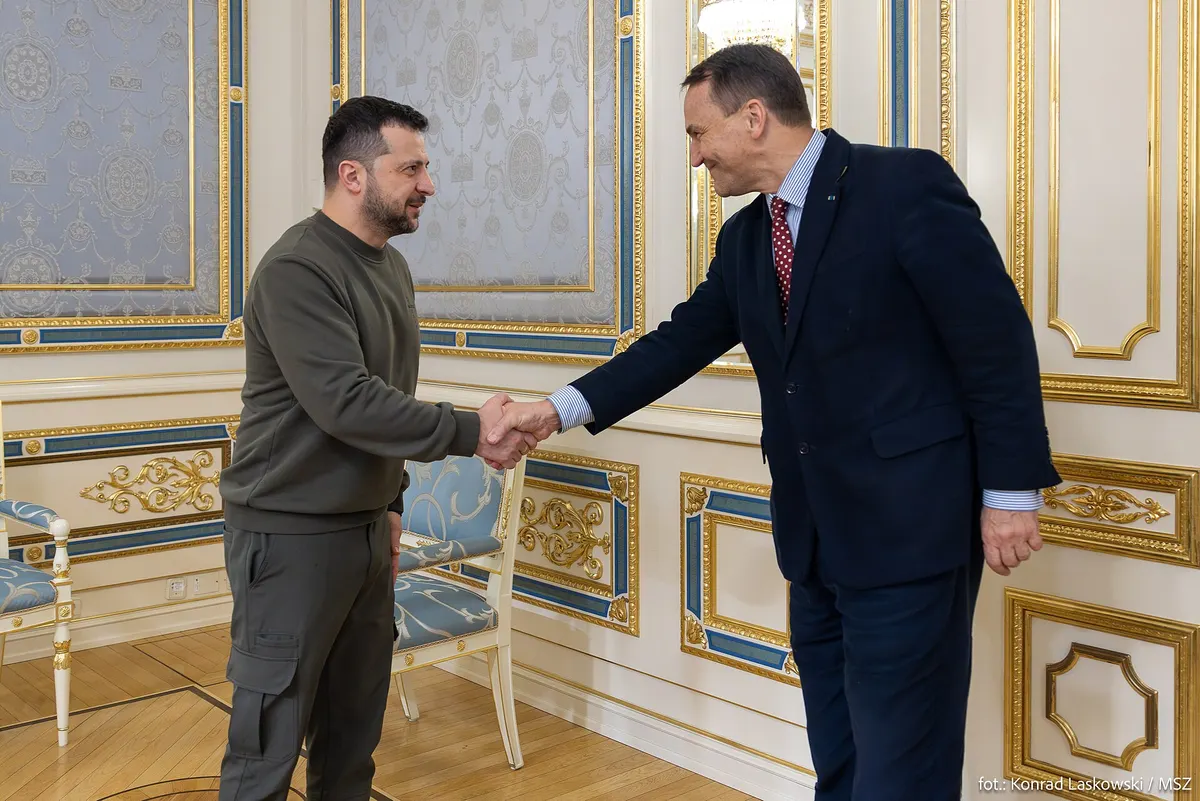
File photo: Volodymyr Zelenskyy. Photo: Ministry of Foreign Affairs Republic of Poland, CC BY 3.0 pl / Wikimedia Commons
US negotiators are pressing Russia and Ukraine to reach a rapid peace settlement before incoming congressional shifts alter political leverage in Washington. Ukrainian President Volodymyr Zelenskyy has criticized the mediation efforts as too lenient toward Moscow amidst intensifying missile strikes. Meanwhile, major strategic differences and business incentives continue to complicate the path toward a lasting agreement.
- StatusOngoing peace negotiations amid intensified aerial attacks
- Key MediatorsSteve Witkoff and Jared Kushner
- Primary ConcernsImpending congressional shift, security guarantees, and infrastructure assaults
- LocationsKyiv, Moscow, Abu Dhabi, and Shenzhen
What happened
United States envoys have delivered urgent warnings to Russian and Ukrainian negotiating teams that the current window for reaching a peace agreement is rapidly closing. American mediators are asserting that shifting political conditions in Washington, specifically Democratic gains in Congress, could eliminate the current leverage and terms available to the Kremlin.
At the same time, peace talks mediated in locations such as Abu Dhabi have yielded little palpable progress. Ukrainian President Volodymyr Zelenskyy has openly voiced deep frustration over the pace and nature of the discussions, describing the American approach as overly neutral and complaining that the US is not exerting enough pressure on Russian leadership.
File photo: Ukraine flag. Photo: Dietmar Rabich, CC BY-SA 4.0 / Wikimedia Commons
How it unfolded
The diplomatic push follows a series of canceled and disrupted diplomatic initiatives. Planned trilateral negotiations scheduled for early October were scuttled after mutual accusations of military strikes during Russia's parliamentary elections in September. Following these disruptions, Russian forces intensified their campaign against Ukrainian energy infrastructure and urban centers.
Despite a recent summit in China where broader international frameworks were discussed, fighting on the ground has escalated. Ukraine has continued its own long-range operations against strategic Russian assets, including infrastructure and military vessels, while managing severe daily aerial bombardments and deficits in critical missile defense interceptors.
What the reports confirm
Reports confirm that US envoys Steve Witkoff and Jared Kushner are spearheading the diplomatic outreach to both Moscow and Kyiv. Sources agree that the White House is operating under a compressed timeline to secure an agreement before a newly empowered Congress takes office, which would likely bring heightened scrutiny to administration policies and tighter financial support frameworks for Ukraine.
Discrepancies remain regarding the precise venues and outcomes of recent mediation sessions, with reports citing varying dynamics between Abu Dhabi talks and trilateral summits. Furthermore, accounts differ on the certainty of European participation in upcoming negotiating rounds and the exact nature of restrictions affecting satellite communications networks in occupied regions.
The people involved
The diplomatic arena involves prominent figures including US President Donald Trump, whose envoys Jared Kushner and Steve Witkoff lead the negotiating team. Russian President Vladimir Putin directs Moscow's hardline stance, occasionally utilizing figures like Kirill Dmitriev to pitch extensive economic and resource-sharing proposals.
Ukrainian President Volodymyr Zelenskyy represents Kyiv, fiercely defending his country's sovereignty while criticizing international actors who attempt a neutral stance between an aggressor and a victim. Additional figures, such as military historians, European officials, and regional leaders, have weighed in on the geopolitical and financial motivations driving the talks.
Why it matters
The outcome of these negotiations carries profound implications for European security and the sovereignty of Ukraine. Millions of civilians are directly affected by the ongoing destruction of power stations, bridges, and residential areas as winter approaches.
A rushed settlement forced by changing American political dynamics risks locking in maximalist Russian territorial gains and severely compromising Ukraine's long-term defense posture. Conversely, a failure to secure an agreement risks plunging both nations into a protracted war of attrition with escalating humanitarian costs.
The background
The conflict stems from Russia's full-scale invasion of Ukraine, which has now spanned several exhausting years of intense fighting, massive civilian casualties, and systematic destruction of critical infrastructure. Throughout the war, Kyiv has relied heavily on international financial assistance, intelligence sharing, and advanced defense systems such as Patriot missile batteries and satellite networks.
Political dynamics in Washington have consistently shaped the trajectory of foreign support. Previous high-level encounters between US and Ukrainian leadership established a complex relationship regarding military aid, strategic oversight, and the ultimate terms under which a durable peace might be achieved.
Response and aftermath
In response to diplomatic pressure, Ukrainian forces have maintained defensive and offensive operations, utilizing indigenous drone capabilities and targeting supply lines and naval assets to demonstrate ongoing military capacity. Ukrainian leadership continues to appeal for accelerated deliveries of defense interceptors to protect civilian populations from continuous ballistic and drone attacks.
Meanwhile, international reactions vary, with European leaders expressing concern over the viability of proposed terms and the potential exclusion of regional stakeholders from critical diplomatic sessions. The public posturing of major global powers continues to reflect deep ideological divides over international law and security frameworks.
What happens next
Peace talks are officially expected to resume in December, though skepticism remains high regarding whether either side is prepared to soften its core demands. Negotiators face the daunting task of bridging fundamental gaps over security guarantees, territorial control, and international sanctions.
As winter settles across the region, both Ukraine and Russia are preparing for intensified strategic maneuvers. The approaching transition in Washington's legislative branch will likely serve as a definitive deadline for the current American diplomatic push, setting the stage for a critical pivot in international policy.
What we still don't know
It remains unverified whether European negotiators will secure a permanent seat at the negotiating table or if talks will remain strictly bilateral between US envoys and the warring parties. The precise mechanics behind restrictions on satellite communication networks in occupied zones also lack a definitive, unified explanation from technical providers or government officials.
Additionally, the ultimate feasibility and specific contents of the extensive economic proposals discussed by Russian intermediaries remain undisclosed to the public.
Want more on this story? Our research assistant searches the latest reports across the web and explains what it finds, so you get the fuller picture in one place.