
German Boat Dealer Targeted in Cross-Channel Smuggling Investigation

A German boat dealer is fighting extradition to France over allegations that his company supplied vessels and engines used in nearly a third of small-boat migrant crossings to the UK early this year. Equipment from the firm, MaReBoote, has also been linked to two fatal accidents that claimed four lives. The managing director refused to answer journalists' questions at his business premises.
- TargetMarvin Reuter, 35
- CompanyMaReBoote (western Germany)
- AllegationKey supplier of boats and engines for English Channel migrant smugglers
- ScopeNearly a third of small-boat crossings to the UK in the first four months of 2026
- StatusContesting extradition to France on charges of smuggling, criminal conspiracy, and involuntary manslaughter
Photos
2 photosWhat happened
A small German boat dealership has emerged as a central focus in international investigations into illegal migration across the English Channel. Investigative files reveal that equipment sold by the firm was utilized in roughly one-third of all unauthorized small-boat crossings heading toward the United Kingdom during the opening four months of 2026.
The scale of the operation points to a structured commercial pipeline moving marine hardware from inland manufacturing and distribution hubs straight to staging points along the French coastline. Investigators allege that these vessels and motors are specifically tailored or procured to facilitate high-risk Channel transits.
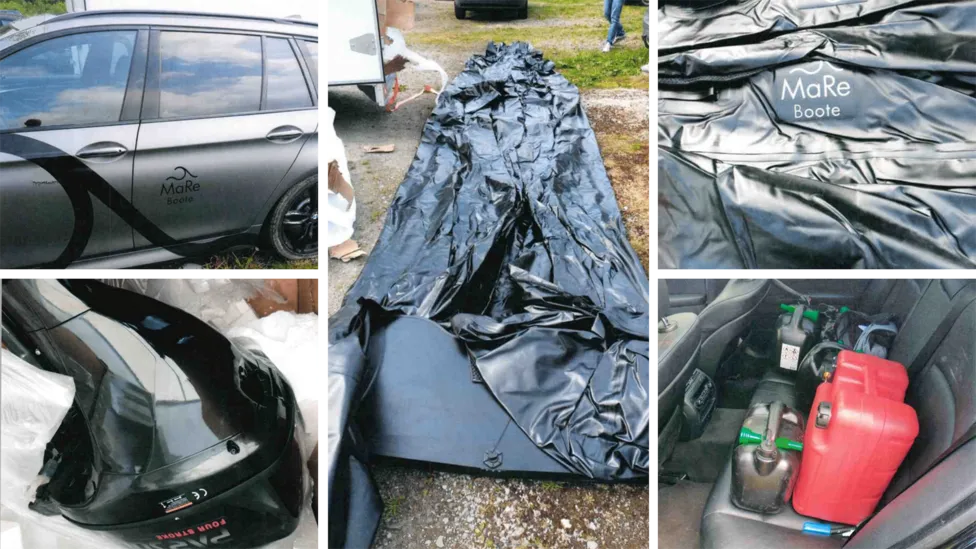
A montage showing a vehicle bearing the MaReBoote logo, packed inflatable boat materials, and fuel containers inside a car.
The people involved
At the center of the inquiry is 35-year-old Marvin Reuter, the managing director of MaReBoote, a modest enterprise located in western Germany. French authorities are seeking his extradition to face serious criminal charges, including smuggling, criminal conspiracy, and involuntary manslaughter.
When reporters approached Reuter at his business location to seek his perspective on the allegations, he declined to answer questions. Instead, he informed journalists that he was reporting their presence to local law enforcement.
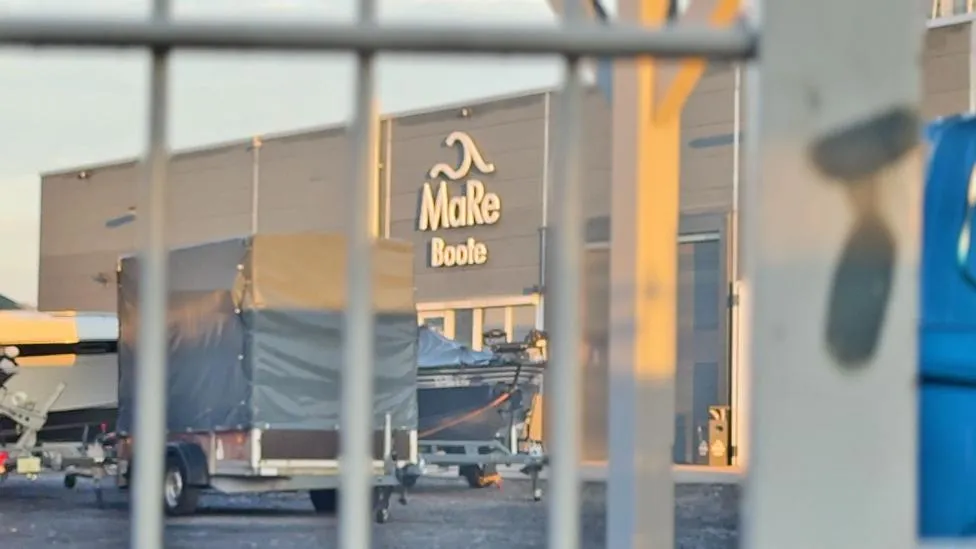
The exterior of the MaReBoote facility in western Germany, viewed through a fence.
Why it matters
The case marks a significant shift in how authorities target the supply chains underpinning unauthorized maritime migration, moving beyond street-level operatives to tackle upstream commercial suppliers. By targeting the commercial entities providing seaworthy or unseaworthy hardware, prosecutors aim to disrupt the foundational logistics that make dangerous crossings possible.
Furthermore, the inclusion of involuntary manslaughter charges underscores the severe legal accountability facing suppliers whose commercial products directly intersect with fatal maritime incidents. The deaths of four men in two separate accidents tied to this equipment highlight the lethal human toll of the trade.
The background
The English Channel remains one of the busiest shipping lanes in the world and has seen a sustained increase in migrants attempting to reach the UK using small, rigid-hulled inflatable boats and rubber dinghies launched from northern France. These journeys are typically coordinated by transnational smuggling networks that acquire boats, engines, and fuel from various European suppliers.
German commercial law generally permits the sale of standard inflatable boats and outboard motors, but selling equipment knowing it will be used in illegal smuggling operations constitutes a severe criminal offense under European and French jurisdiction.
What happens next
The immediate legal battle centers on the extradition proceedings in Germany, where Marvin Reuter is contesting his transfer to France. If the extradition is approved, he will be brought before a French court to face formal arraignment on charges of human smuggling, conspiracy, and involuntary manslaughter.
Investigators are expected to continue analyzing commercial records, financial transactions, and shipping logs from MaReBoote to determine the full extent of the supply network and whether other individuals or entities were involved in routing marine equipment to smuggling rings.
What we still don't know
Many specifics regarding the two fatal accidents linked to the firm's equipment remain undisclosed, including the exact dates, locations, and circumstances of the tragedies that resulted in the deaths of four men.
It is also unclear whether MaReBoote operated as a willing partner to organized smuggling cartels or if the equipment was acquired through intermediaries who masked the ultimate destination and purpose of the boats and engines.
Want more on this story? Our research assistant searches the latest reports across the web and explains what it finds, so you get the fuller picture in one place.