
Escalating Tensions as Kuwait Drone Attack Kills Two Italians Amid Regional Strains
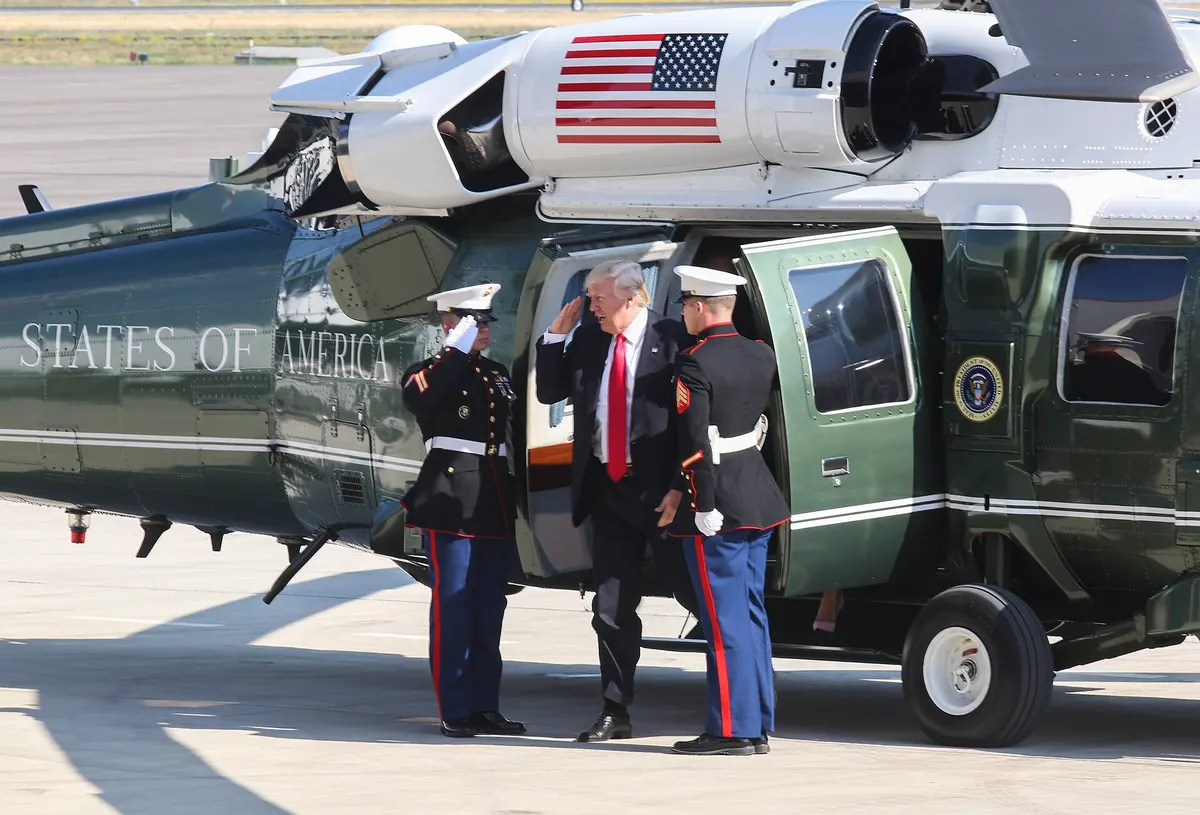
File photo: Donald Trump speaking to military. Photo: (U.S. Marine Corps photo by Sgt. Samuel Guerra/Released, Public domain / Wikimedia Commons
A drone attack on a vital site in Kuwait has resulted in the deaths of two Italian nationals and injuries to other individuals, drawing sharp international focus. Meanwhile, regional friction persists as the Islamic Revolutionary Guard Corps claims oil tankers struck sea mines in the Strait of Hormuz, and U.S. leadership addresses the ongoing conflict.
- WhenLate November 2026
- WhereKuwait, Strait of Hormuz, and Middle East regional bases
- CasualtiesTwo Italian nationals killed, four others injured in Kuwait
- StatusOngoing military conflict and diplomatic exchanges
What happened
A drone attack struck a vital site in Kuwait, causing material damage and injuring multiple individuals. Kuwaiti authorities confirmed that two Italian nationals initially injured in the strike subsequently died from their wounds. An additional Kuwaiti national and a Pakistani national were also reported injured by falling shrapnel.
Simultaneously, maritime tensions in the Persian Gulf intensified as Iran's Islamic Revolutionary Guard Corps (IRGC) claimed that oil tankers navigating the Strait of Hormuz struck sea mines. According to Iranian state broadcasts, vessels attempting unauthorized routes through southern shipping lanes faced hazards, while independent agencies noted a broader decline in ship transits through the strategic waterway.
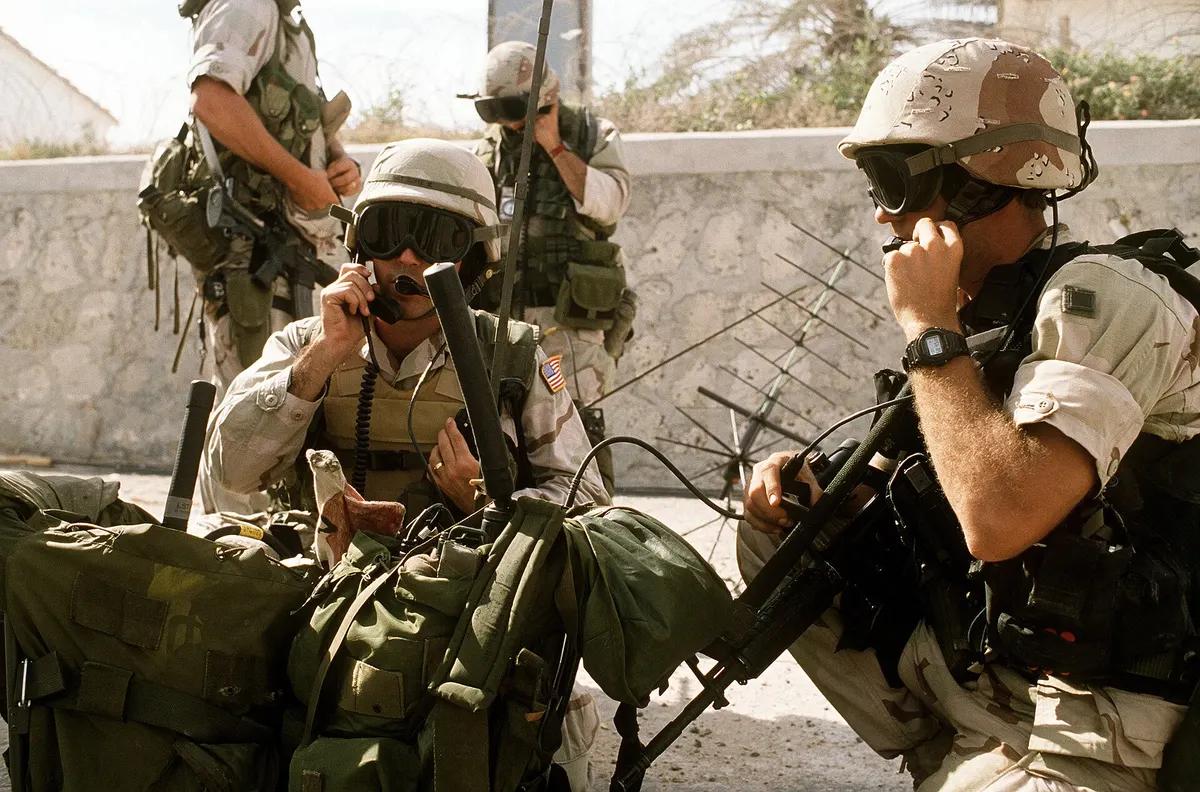
File photo: US military troops. Photo: SRA. Joanna Seltzer, Public domain / Wikimedia Commons
How it unfolded
Following the strike on the vital site, Kuwaiti military forces stated they engaged the incoming drones. Authorities swiftly attributed the operation to Iran, pointing to the drone incursions as the direct cause of the casualties and facility damage.
In response to the accusations, high-ranking Iranian officials issued categorical denials. General Sardar Shekarchi, spokesperson for Iran's armed forces, rejected the Kuwaiti military's claims entirely, suggesting that regional adversaries might be employing false-flag tactics to stoke insecurity. The Iranian Embassy in Rome similarly distanced Tehran from the incident while offering condolences to the victims' families.
What the reports confirm
Reports from multiple international coverages verify that a drone attack occurred in Kuwait on a Thursday, leading to the deaths of two Italian nationals and injuries to a total of four people. They also confirm that the Kuwait Army responded to the incoming aerial threats and that local authorities blamed Iran.
Discrepancies exist regarding official Iranian reactions and attributions. While some reports highlight embassy statements rejecting the allegations, others detail extensive denials by military spokespersons blaming external actors. Furthermore, reports diverge slightly on whether the IRGC claimed one or two oil tankers were damaged by sea mines near Omani ports, reflecting the contested nature of maritime reporting in the region.
The people involved
The incident directly impacts the families of the deceased Italian nationals and the injured Kuwaiti and Pakistani citizens receiving medical care. Italian Prime Minister Giorgia Meloni publicly expressed deep sorrow and extended condolences on behalf of the Italian government.
Key political and military figures involved in the broader geopolitical landscape include U.S. President Donald Trump, who commented on regional victory timelines and intelligence-sharing dynamics, and Iranian military commanders such as Rear Adm. Shahram Irani and Gen. Sardar Shekarchi, who manage naval claims and defensive public statements.
Why it matters
The strike in Kuwait represents a dangerous expansion of the regional conflict into neutral or allied Gulf states, threatening the safety of expatriate workers and local populations alike. Casualties among foreign nationals elevate the diplomatic stakes, prompting immediate reactions from European leaders like Italy's prime minister.
Additionally, disruptions in the Strait of Hormuz threaten global energy supplies. With tanker trans<bos>2026 falling and shipping routes contested by Iranian forces and U.S. naval blockades, international trade and oil markets face heightened volatility and increased security risks.
The background
The Strait of Hormuz is a critical maritime chokepoint connecting the Persian Gulf and the Gulf of Oman, through which a significant portion of the world's petroleum passes. Tensions in the waterway have escalated alongside broader conflicts involving U.S., Israeli, and Iranian forces across the Middle East.
Iran maintains a powerful naval presence through the Islamic Revolutionary Guard Corps, frequently asserting sovereignty over regional waters and warning commercial vessels against utilizing paths endorsed by the United States military. Concurrently, regional proxy dynamics and intelligence-sharing networks involving global powers continue to shape the protracted conflict.
Response and aftermath
Diplomatic fallout from the Kuwait attack has led to sharp exchanges between Tehran and Gulf authorities, with Iranian officials accusing foreign actors of staging false-flag operations to manufacture hostility. Meanwhile, international leaders continue to monitor regional flashpoints.
U.S. leadership addressed deployed service personnel during holiday communications, signaling confidence in ongoing military positioning while maintaining that diplomatic avenues remain open for a negotiated settlement before the new year.
What happens next
Investigations into the drone strike in Kuwait and the security breaches at vital facilities are expected to continue as local authorities assess structural damage and reinforce defensive postures. Diplomatic channels between Italy, Kuwait, and regional bodies will likely address the security of foreign nationals.
In the maritime domain, security agencies and shipping companies will monitor transit safety through the Strait of Hormuz, weighing independent intelligence data against warnings issued by regional naval forces.
What we still don't know
Specific technical details regarding the origin, launch site, and exact model of the drones used in the Kuwait attack have not been publicly detailed. Furthermore, independent verification of the IRGC's claims regarding the sea mine incidents involving oil tankers remains unconfirmed by international maritime authorities.
Want more on this story? Our research assistant searches the latest reports across the web and explains what it finds, so you get the fuller picture in one place.