
Deadly Building Collapse in Karachi Sparks Sweeping Crackdown and Official Purge
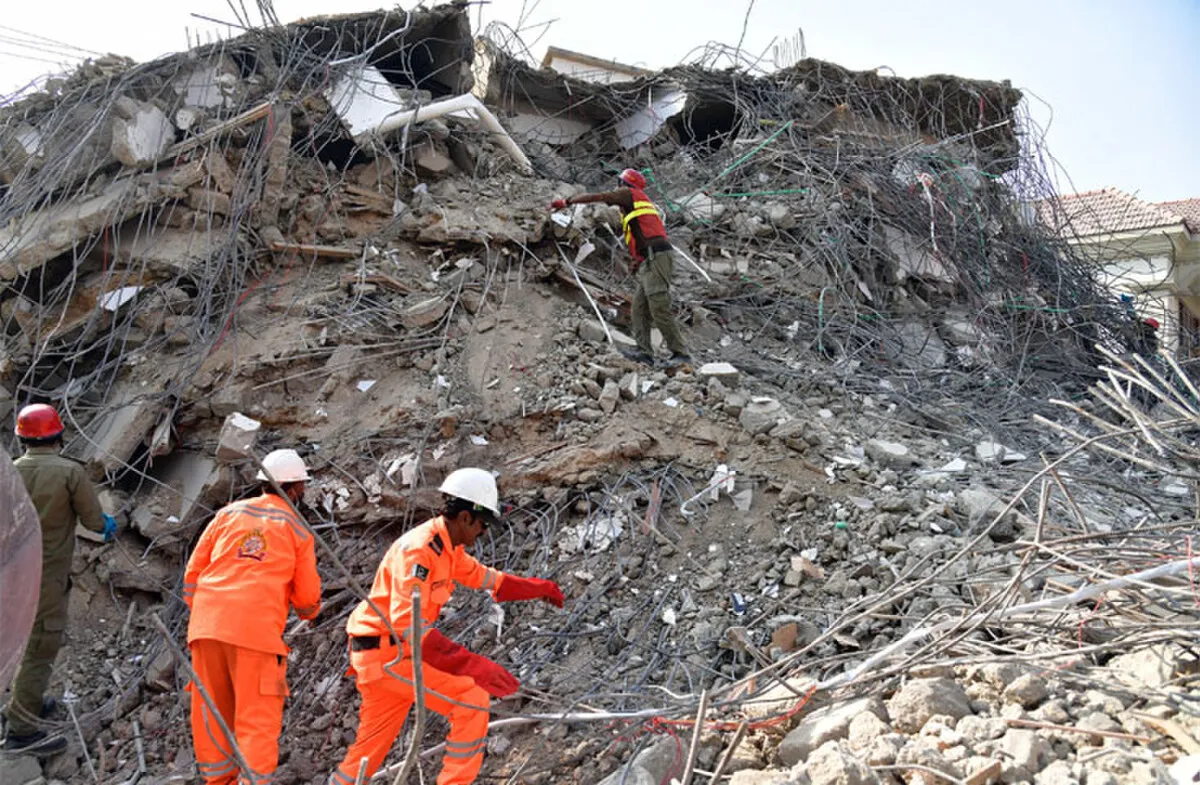
Rescue personnel working amidst twisted metal and concrete rubble at the collapse site in Karachi.
A six-storey under-construction building collapsed in Karachi, Pakistan, leaving multiple people dead and sparking intense multi-day rescue efforts. The disaster prompted the Sindh provincial government to suspend numerous building control officials and seal dozens of structures across the metropolis, triggering pushback from real estate developers.
- LocationAdmin Society, Baloch Colony area, Karachi, Pakistan
- Date of IncidentWednesday
- Casualties8 to 9 dead, over a dozen injured, and around 10 to 11 missing
- ResponseSuspension of multiple officials, sealing of under-construction buildings, and ongoing rescue operations
Photos
7 photosWhat happened
A six-storey building that was under construction collapsed in Karachi's Admin Society near Baloch Colony. The sudden structural failure left a massive mound of rubble several floors high, trapping workers and civilians beneath heavy concrete and twisted metal.
Emergency responders, including local Rescue 1122 teams and civilian volunteers, rushed to the densely populated area in eastern Karachi. Crowds gathered near the site as heavy equipment and manual search parties began picking through the debris in search of survivors.
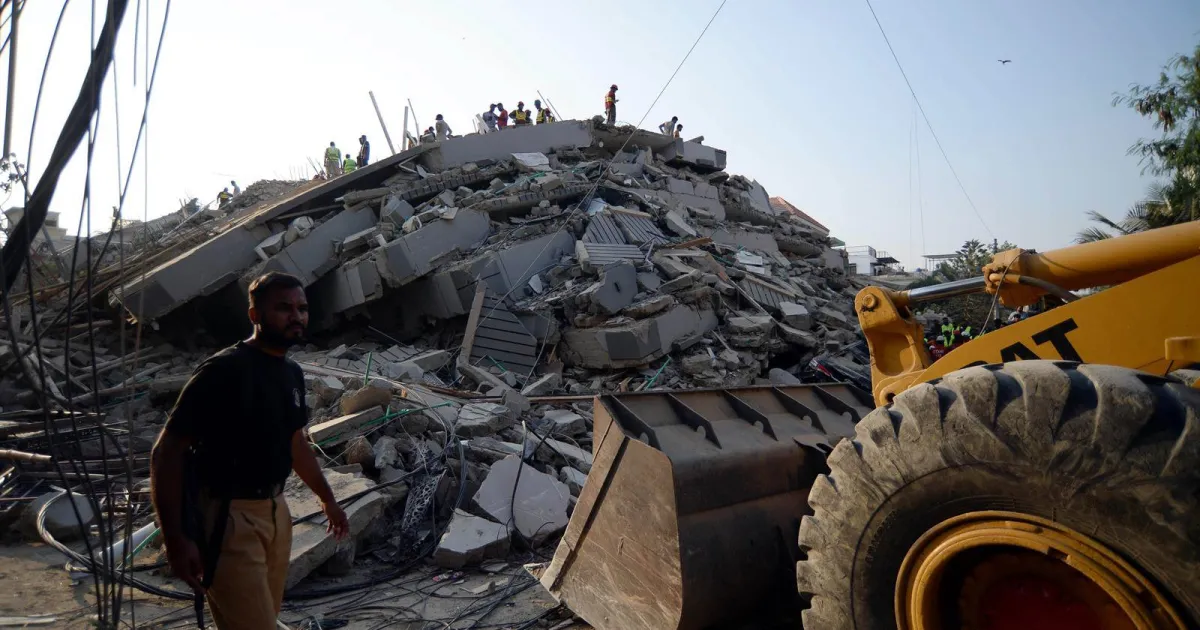
Heavy machinery and emergency workers operating near the collapsed multi-storey structure.
How it unfolded
The disaster struck on Wednesday, immediately triggering emergency response operations. Rescuers initially pulled several bodies and injured individuals from the wreckage on the first day.
Search operations extended across multiple days as teams navigated unstable slabs of concrete. In a rare moment of relief, a survivor was pulled out alive from the rubble nearly two to three days after the incident, sparking renewed hope among families gathered at a nearby information desk.
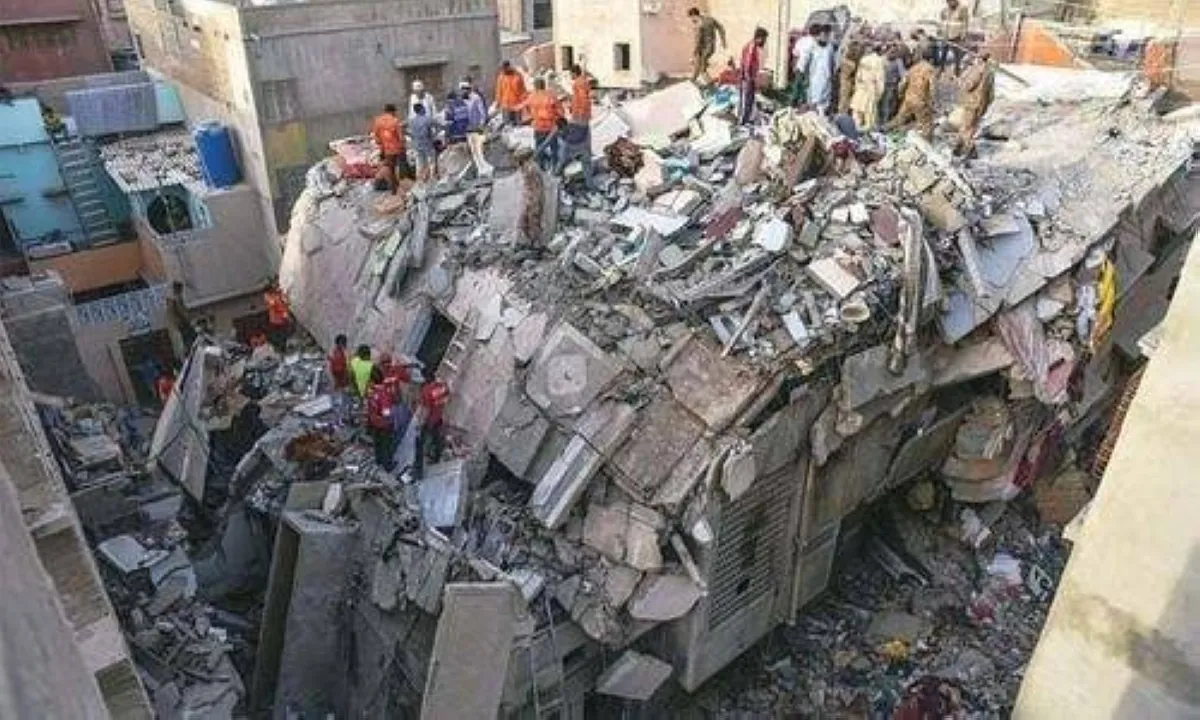
An aerial view of the disaster area showing rescue teams navigating the flattened building debris.
What the reports confirm
All reports confirm that a six-storey under-construction building collapsed in Karachi's Admin Society on Wednesday, prompting a multi-day search and rescue operation by Rescue 1122, widespread suspensions of local officials, and the sealing of numerous buildings.
However, accounts diverge on specific figures: some reports put the death toll at eight, while others record nine fatalities, alongside conflicting details regarding the identities of survivors and specific victims. Furthermore, reports differ on whether heavy machinery was used exclusively or if manual excavation was strictly prioritized to protect buried bodies.
The people involved
Rescue personnel, municipal workers, and police forces worked around the clock at the disaster site. Provincial leadership, including Sindh Chief Minister Syed Murad Ali Shah and Local Government Minister Nasir Shah, stepped in to manage the political and administrative fallout.
Meanwhile, organizations such as the Association of Builders and Developers (Abad), represented by chairman Muhammad Hanif Gohar, engaged in sharp disputes with the provincial government over the mass sealing of buildings across Karachi in the wake of the tragedy.
Why it matters
Building collapses in Pakistan highlight systemic safety failures, weak enforcement of building codes, and widespread unauthorized construction in densely populated urban centers like Karachi. The incident directly affects construction workers and residents living near unregulated sites, while sweeping administrative actions threaten the commercial operations of legitimate real estate developers.
The political fallout underscores tensions between regional authorities attempting to curb unlawful building practices and industry groups protesting indiscriminate administrative shutdowns.
The background
Karachi is a sprawling metropolis of more than 20 million people in Pakistan, a South Asian nation exceeding 240 million residents. The city has long struggled with shoddy construction practices, illegal floor additions, overcrowding, and inadequate infrastructure.
Past structural failures in the megacity include a gas explosion-triggered collapse that killed 16 people in February and a five-storey building collapse in Lyari that claimed 27 lives in July of the previous year.
Response and aftermath
In response to the disaster, the Sindh government initiated a major administrative reshuffle, removing Sindh Building Control Authority (SBCA) Director General Waseem Shamshad, appointing Abid Saleem in his place, and suspending East Deputy Commissioner Nasrullah Abbasi, East Senior Superintendent of Police (SSP) Zubair Sheikh, and numerous other relevant officials.
Concurrently, authorities sealed over a hundred under-construction buildings across the city, prompting Abad to issue a three-day ultimatum demanding the unsealing of vetted properties under threat of widespread business shutdowns and street protests.
What happens next
Search and rescue operations continue as teams work to locate individuals still missing beneath the rubble. Police have registered criminal cases invoking charges of murder, negligence, and carelessness, with several suspects already arrested and instructions issued to apprehend the structure's owner.
Meanwhile, provincial authorities maintain that legal enforcement will proceed despite developer pushback, setting up a potential showdown between the government and real estate trade associations.
What we still don't know
Exact casualty totals remain unverified as search operations continue, with conflicting figures reported by different official sources. The precise engineering cause of the structural failure has not yet been formally established, and the final outcome of the government's standoff with the builders' association remains open.
Want more on this story? Our research assistant searches the latest reports across the web and explains what it finds, so you get the fuller picture in one place.