
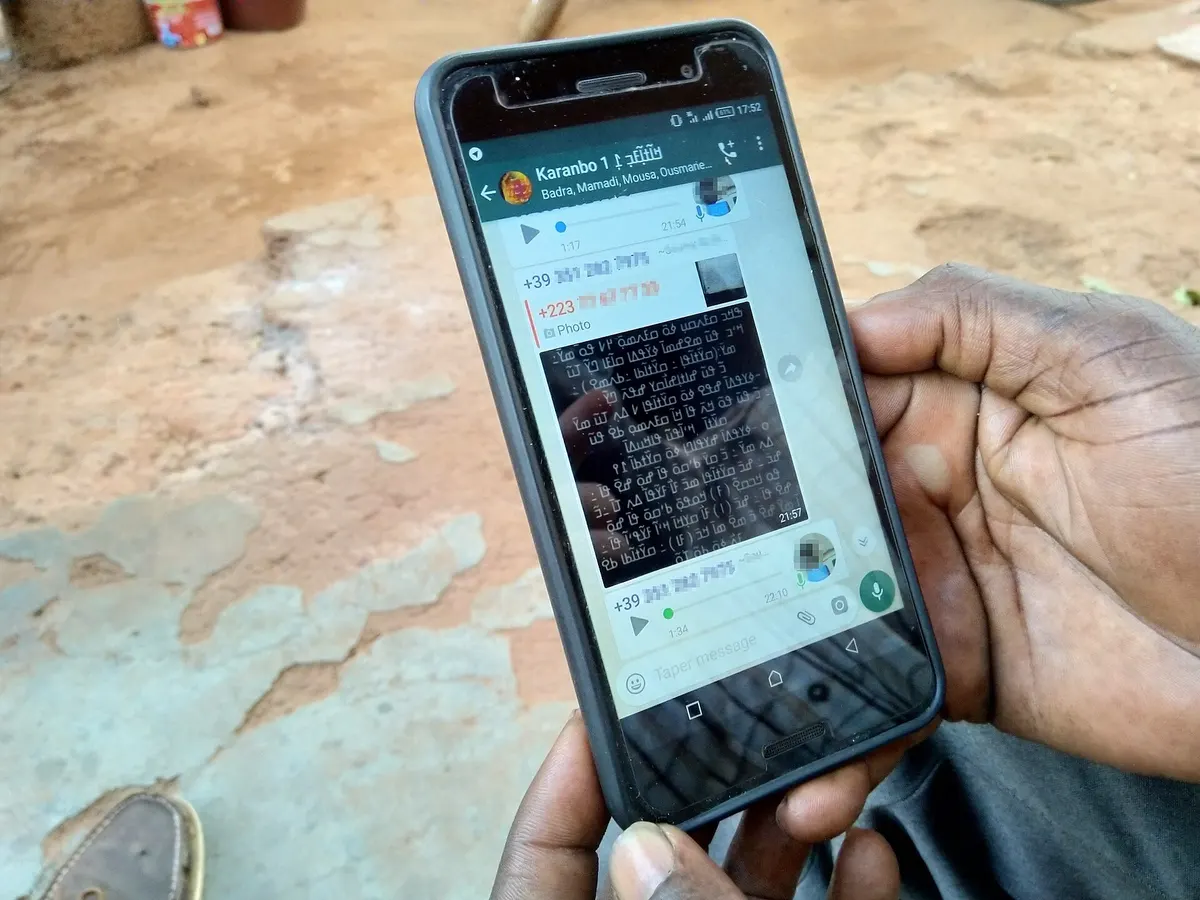
WhatsApp is introducing a new feature that allows its three billion users to schedule messages up to two weeks in advance. The update applies to both private 1:1 conversations and group chats. Meta describes the capability as one of the platform's most requested features.
Users can queue up texts, links, photos, and videos to send from 10 minutes to 14 days later. The feature ensures that messages deliver on time even if the sender's phone is switched off or out of battery, and all scheduled content remains protected by end-to-end encryption.
What happened
Meta has officially announced the global rollout of scheduled messages for WhatsApp, arriving via an app update released to users worldwide. The feature is designed for situations where a user wants to send a text at a convenient time or avoid forgetting important communications, such as a birthday greeting at 4 AM.
To schedule a message, a user types out the text, or selects media like a photo or video, and then presses and holds the send button. An interface prompts the user to pick the specific date and time for delivery. Once scheduled, the message looks identical to any standard message when it arrives, and recipients cannot tell it was scheduled or see if any future message was deleted.
Users can review all future queued messages in a dedicated section within the chat information screen. From there, they retain the ability to manage or delete scheduled messages before they are delivered if they change their mind.
Why it matters
While competing messaging platforms have offered scheduled messaging for a very long time, its addition to WhatsApp brings a standard utility feature to the world's most ubiquitous chat app. It removes the need for third-party workarounds or remembering to manually dispatch time-sensitive information.
Because the feature operates even when the user's phone is offline, it provides reliability for global users across different time zones or scheduling constraints. Furthermore, maintaining end-to-end encryption ensures that scheduled content remains private, meaning no third party or even Meta can read the drafts while they wait to be sent.
The background
Prior to the official global release, the scheduled messaging feature was spotted in testing by feature trackers such as WABetaInfo. It first appeared on select Android beta versions, specifically build 2.26.40.7 distributed via the Google Play Store, before Meta prepared it for a wider public launch.
WhatsApp boasts approximately three billion users globally. The platform has steadily added productivity and convenience features, such as enhanced search shortcuts and regional payment integrations, as part of its ongoing development under parent company Meta.
What happens next
The scheduled messaging feature is rolling out globally over the coming weeks. Because the rollout is gradual, not all users will see the update immediately, but it is expected to appear on all accounts as they receive the latest app updates from app stores.
Key takeaways
- WhatsApp is rolling out a scheduled messaging feature that lets users queue up texts, links, photos, and videos from 10 minutes to two weeks in advance.
- To schedule a message, users simply type their text or choose media and press and hold the send button to pick a delivery date and time.
- Scheduled messages are delivered automatically even if the sender's phone is turned off or out of battery.
- All scheduled messages remain fully protected by end-to-end encryption, ensuring complete privacy during the waiting period.