
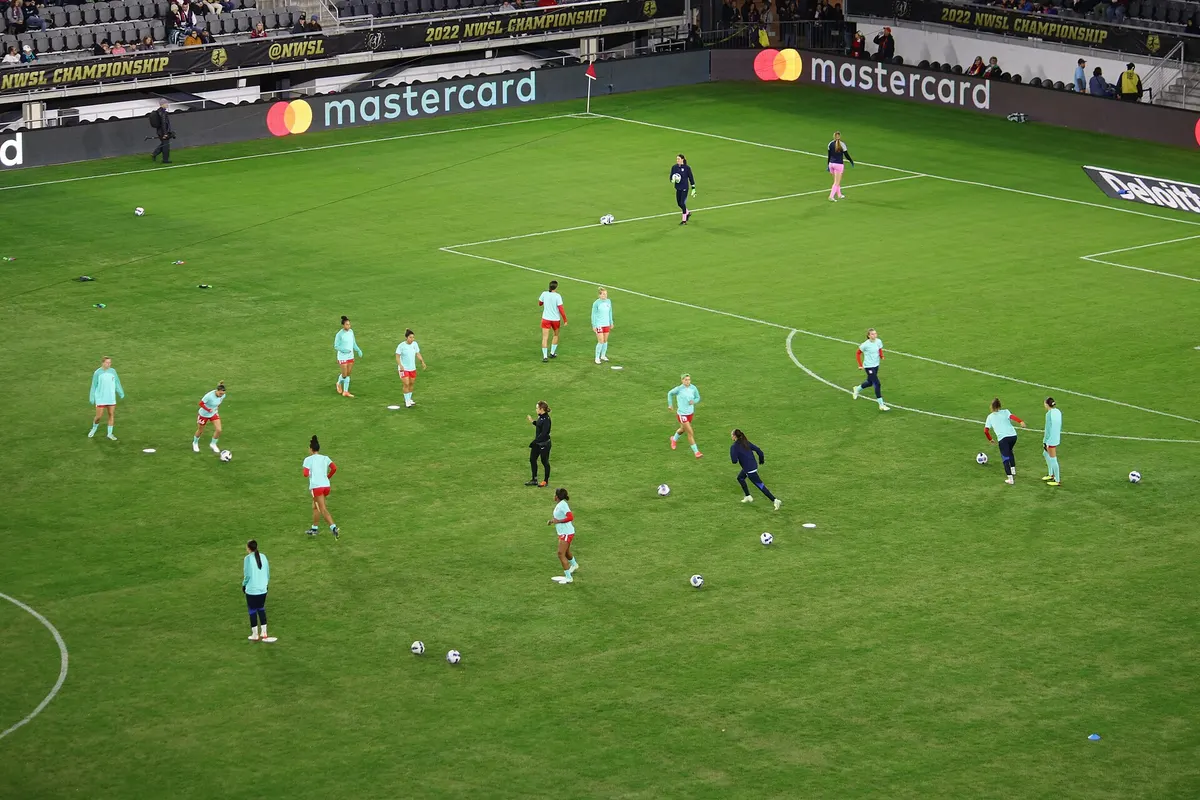
The National Women's Soccer League in the United States has reached new heights of popularity, highlighted by a sellout championship game at Audi Field in Washington DC where the Kansas City Current defeated the Washington Spirit 2-1 to claim their first title in front of more than 19,000 fans.
While the American domestic league expands rapidly and draws record crowds, women's football administrators in the United Kingdom are examining what lessons can be applied to the Women's Super League to fuel similar commercial and cultural growth.
What happened
The NWSL championship match took place on a Saturday night in Washington DC, with tickets retailing for over $300. The Kansas City Current capped off an ambitious campaign by beating the Washington Spirit, while the Spirit earned an unwanted record of losing three finals in a row. Earlier that same day across the Atlantic, London City played Crystal Palace in front of 4,000 fans in Bromley.
The American league is currently experiencing record attendance figures, increasing franchise numbers, and club retail sales that are double those recorded in 2025. Unlike the UK system, the 16-team NWSL operates without promotion or relegation and features mostly independent franchises that are not financially reliant on men's teams.
Kansas City set a major industry milestone by building the CPKC Stadium, the first bespoke venue built solely for women's football. This level of independent infrastructure stands in contrast to the traditional UK setup, where almost all Women's Super League clubs are affiliated with historic men's sides.
Why it matters
The explosive growth of the NWSL demonstrates the commercial potential of treating women's football as a primary product rather than an afterthought. The league's independent ownership model allows clubs to directly invest in their own growth and ensure financial resources flow exclusively into the women's game.
For the Women's Super League in the UK, the current structure offers both a challenge and a unique opportunity. While US executives admire the legacy of 100-year-old British men's clubs as household names, UK teams must figure out how to build distinct women's brands that harness that history without losing their own identity.
The background
Women's football has deep roots in the United States, a nation that has historically dominated the international game as a four-time World Cup winner and five-time Olympic gold medallist. Soccer is viewed predominantly as a women's sport in the US due to this sustained international success, whereas the men's national team has not achieved comparable prominence.
Professional women's leagues in America have existed since 2001, and the current NWSL format kicked off in 2013 with eight teams. It has since expanded significantly, boasting star talent from both the US national team and international standouts such as Malawi's Temwa Chawinga and former Chelsea striker Sam Kerr.
What happens next
The NWSL is scheduled to expand further, with two more franchises joining the league starting from 2028. Meanwhile, independent UK clubs like London City hope to emulate the success of teams like Kansas City, and Brighton has already announced its own purpose-built women's stadium planned for 2030-31.