
On Wednesday morning, the US Army detonated nearly five tons of degraded lead azide outside of Middletown, Iowa. Environmental Protection Administration chief Lee Zeldin reported that preliminary monitoring detected no lead in the air around the site, though full assessment of the fallout will take time. ## What happened The US Army detonated 68 barrels containing nearly five tons of lead azide at the Iowa Army Ammunition Plant near Middletown in southeast Iowa. The material had been stored on the base for decades, but the Army recently deemed it unstable and too dangerous to move or remediate, leading to the decision to conduct an intentional, controlled detonation. A panel of national experts was assembled to determine the best way to dispose of the material in compliance with Environmental Protection Agency regulations. Initial communication regarding the operation was poor, creating a public uproar and widespread distrust among towns in the path of the potential fallout. In response to the chaotic rollout and public concern, the federal government stepped up mitigation measures. The Army constructed a dam around the detonation site, while NASA deployed research jets and satellites for monitoring. Independent academic groups also mobilized due to the lack of early transparency. Several departments at the University of Iowa set up air and soil monitoring stations to track the plume and collect particulate matter data. Scientists at Purdue University put out a call for soil samples from the surrounding area to analyze them for lead contamination. While federal agencies like the EPA are maintaining live air quality results, academic teams emphasize that their independent testing is meant to supplement government efforts and provide reassurance to the public through transparent data verification. ## Why it matters Local residents and communities downwind of the detonation site face potential environmental exposure to toxic lead compounds. The primary concern centers on whether toxic particulate matter will settle into local soils and water supplies, potentially affecting residential areas and agricultural land in Iowa, which serves as a major hub for corn and soybean production. Beyond the physical environmental risks, the incident has severely damaged public trust in federal communication and transparency during emergency operations. ## The background Lead azide is a highly sensitive and toxic material used to initiate explosives and munitions. Over decades of storage at military installations, such compounds can degrade chemically, becoming increasingly unstable and hazardous to handle. Moving degraded explosives carries a high risk of accidental detonation, forcing military authorities to resort to controlled in-place destruction when relocation is deemed too dangerous. ## What happens next The full extent of the environmental fallout remains uncertain and will not be known for at least a few days. Academic researchers and federal agencies are currently compiling and analyzing air, soil, and water samples collected before and after the explosion. While instantaneous field screening using X-ray fluorescence devices can provide quick surface readings, more sensitive laboratory equipment will take about a week to yield granular data on soil loading and particulate settling downwind. ## Key takeaways - The US Army detonated nearly five tons of degraded lead azide at a plant near Middletown, Iowa. - Initial federal monitoring detected no lead in the air immediately following the explosion. - Independent monitoring projects by university researchers are underway to verify safety and rebuild public trust. - Laboratory analysis of soil and air samples over the coming week will determine the true extent of any environmental impact.
Technology
US Army Detonates Lead Azide in Iowa as Independent Testing Begins
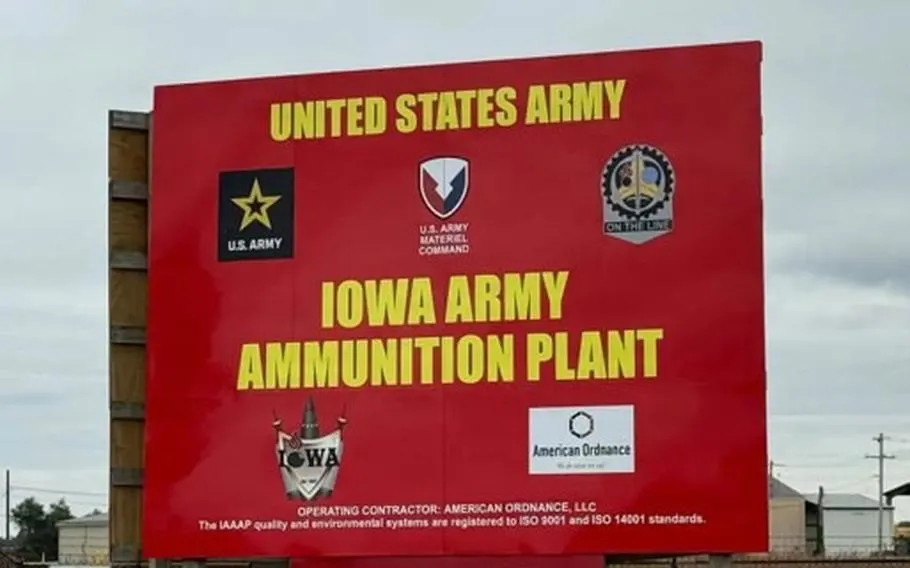
Photo: Lori McFate/Iowa Army Ammunition Plant (Army Sustainment Com, Public domain / Wikimedia Commons
The US Army detonated nearly five tons of degraded lead azide near Middletown, Iowa. While initial federal monitoring detected no lead in the air, independent academic and citizen testing projects are underway to determine the full extent of any potential environmental fallout.
Go deeper
Want more on this story? Our research assistant searches the latest reports across the web and explains what it finds, so you get the fuller picture in one place.