
Newly released congressional documents reveal that the U.S. government approved the sale of more than 879,000 advanced artificial intelligence chips to Chinese companies. The approvals include transactions with major tech firms and entities designated as military companies by the Pentagon. The disclosures have triggered intense bipartisan backlash on Capitol Hill and fresh questions about how federal export controls are enforced. Lawmakers are now demanding stricter oversight and scheduled congressional hearings with key executives and cabinet members. ## What happened The House Foreign Affairs Committee voted to release export control license application data concerning chipmakers Nvidia and Advanced Micro Devices. The documents show that between December and May, Chinese buyers submitted 3.4 million requested sales for U.S. AI chips. Of those requests, the Commerce Department’s Bureau of Industry and Security approved more than 879,000 sales to companies including Alibaba, Tencent, Bytedance, Baidu, and Tesla's Shanghai division. Some approved sales went to firms designated by the Department of Defense as Chinese Military Companies. Representative Brian Mast stated that Nvidia license applications included firms like Maginfra and New Matrix, which he described as suspected smuggling fronts with empty offices and ties to national security sanctions. ## Why it matters The revelations place the administration's technology policies under direct scrutiny, with lawmakers from both parties warning that national security and America's technological edge have been compromised. The Bureau of Industry and Security faces accusations of failing to enforce rules meant to keep advanced hardware out of the hands of geopolitical competitors. Critics argue that allowing chips to flow to military-designated entities and suspected front companies undermines broader federal efforts to restrict China's military and technological modernization. ## The background The Bureau of Industry and Security is the subagency of the Commerce Department responsible for regulating and enforcing dual-use technology exports. Under federal law, the House Foreign Affairs Committee holds the authority to declassify and release export data if withholding it is deemed contrary to the national interest. The current controversy builds on mounting fallout from Jensen Huang's resignation as head of Nvidia following reports of his relationships, including one with a suspected Chinese spy. Lawmakers have also criticized Commerce Secretary Howard Lutnick over ties to Huang and inaction concerning a Singaporean company suspected of diverting chips to China. In response to these pressures, the Commerce Department issued an interim final rule to close a loophole allowing Chinese companies to lease U.S. computing power from data centers in third countries. ## What happens next Former Nvidia CEO Jensen Huang is scheduled for a closed-door transcribed interview with the House Foreign Affairs panel and two other committees. Nvidia general counsel Tim Teter is also scheduled to appear before the panels. Senate Banking Committee Chair Tim Scott announced that Huang and Commerce Secretary Howard Lutnick have agreed to testify before lawmakers. Further legislative pushes for stricter export controls on AI chips destined for China and other adversaries are expected in the coming weeks. ## Key takeaways - The U.S. approved more than 879,000 AI chip sales to Chinese companies out of 3.4 million requested sales. - Approved buyers included major firms like Alibaba, Tencent, Baidu, and Bytedance, alongside Pentagon-designated military companies. - House Foreign Affairs Committee Chairman Brian Mast claimed license applications listed suspected smuggling fronts. - Lawmakers from both parties are demanding stricter legislation and have scheduled congressional testimony from top officials and executives.
Finance
US approved sales of hundreds of thousands of AI chips to Chinese firms
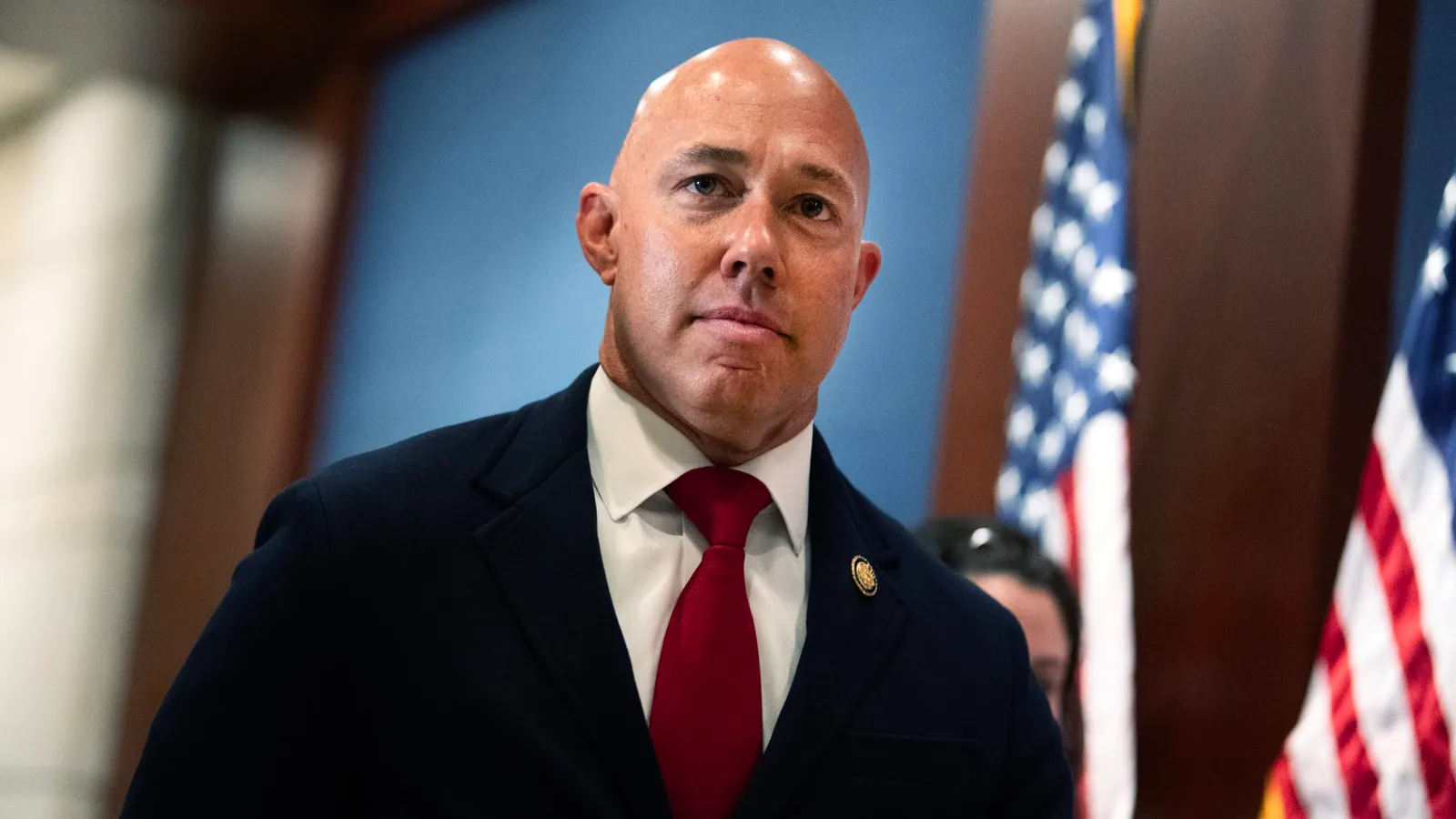
Documents released by the House Foreign Affairs Committee show the U.S. approved nearly 900,000 AI chip sales to Chinese firms. The disclosures have intensified scrutiny over export enforcement.
Go deeper
Want more on this story? Our research assistant searches the latest reports across the web and explains what it finds, so you get the fuller picture in one place.