
A United Nations dispute tribunal has heavily criticized the decision to fire Palestinian aid workers in early 2024, ruling that the terminations were based almost entirely on unproven Israeli allegations. The judgment casts serious doubt on evidence linking agency staff to the 7 October attacks. The fallout from the dismissals damaged humanitarian operations in Gaza and triggered a severe funding crisis for the primary UN relief agency working in the region, leaving its future uncertain. ## What happened In January 2024, the UN Relief and Works Agency terminated the contracts of nine staff members in the interests of the agency. The decision followed Israeli allegations that certain aid workers were involved in the Hamas-led attacks of 7 October 2023. These dismissals were confirmed after a preliminary UN investigation suggested potential involvement. Former Unrwa commissioner general Philippe Lazzarini took the decision after consulting UN secretary general António Guterres, apparently hoping that appeasing Israel and its allies would protect ongoing humanitarian work in Gaza. However, critics warned at the time that acting on allegations rather than concrete proof would compromise the UN's integrity. The dismissals failed to prevent the Biden administration from pausing funding, a step temporarily mirrored by other donors and resulting in a $450m financial shortfall. When asked to provide evidence supporting the sackings, Unrwa cited the Israeli government, a media report, and a pro-Israel pressure group. The UN dispute tribunal reviewing the case of a sacked worker named Abu Awad ruled in his favour, describing the Israeli allegations as unsupported and of limited evidentiary value. The tribunal noted that internal UN investigators had not interviewed the accused staff due to security concerns, meaning the accusations relied almost entirely on information held by Israel. Intercepted mobile phone conversations offered as evidence were found to suffer from issues like mistaken identity via cloned SIM cards, and certain transcripts did not support claims of Hamas links. Awad was accused of being a platoon commander and receiving intelligence updates during a phone call, but the security services failed to clarify who made the call or link the phone to him properly. Witness statements confirmed Awad was simply on an Unrwa staff bus as normal. ## Why it matters The tribunal's ruling exposes significant flaws in how international organizations handle external intelligence and pressure during active conflicts. Sacking staff without verified proof severely damaged Unrwa's reputation and undermined its operational capability in a war zone suffering from acute humanitarian needs. The resulting loss of donor confidence created a financial crisis that threatened the agency's survival. For individual workers like Awad, unsubstantiated allegations led to sudden termination and reputational damage. The judgment highlights the dangers of international bodies acting precipitously on unverified security claims under political duress. ## The background The UN Relief and Works Agency is the main humanitarian organization providing assistance, education, and healthcare to Palestinian refugees in Gaza, the West Bank, Jordan, Syria, and Lebanon. Established in the wake of the 1948 Arab-Israeli war, it operates as a critical lifeline in the region. The agency has frequently faced political friction, but the allegations made in early 2024 regarding staff involvement in the 7 October attacks by Hamas marked an unprecedented crisis. The ensuing withdrawal of funds by major international donors placed the agency under existential financial strain, leaving it reliant on emergency fundraising and diplomatic maneuvering. ## What happens next Unrwa has not responded publicly to the tribunal's findings regarding the wrongful terminations. The agency faces ongoing challenges regarding its funding, institutional credibility, and operational security in Gaza. It remains unverified whether other sacked workers will successfully challenge their dismissals through similar tribunal proceedings, or if the ruling will prompt structural changes in how the UN evaluates external intelligence reports. ## Key takeaways - A UN tribunal ruled that the firing of Palestinian aid workers in 2024 was based almost entirely on unproven Israeli allegations. - The tribunal found that internal UN investigators did not interview the accused staff members due to safety and security concerns. - Unrwa's reliance on external intelligence led to a $450m financial shortfall after major donors temporarily withdrew funding. - Evidence provided by Israel, including intercepted phone calls, was deemed to have limited reliability and involved instances of mistaken identity.
World
UN Tribunal Casts Doubt on Sacking of Aid Workers Over Gaza
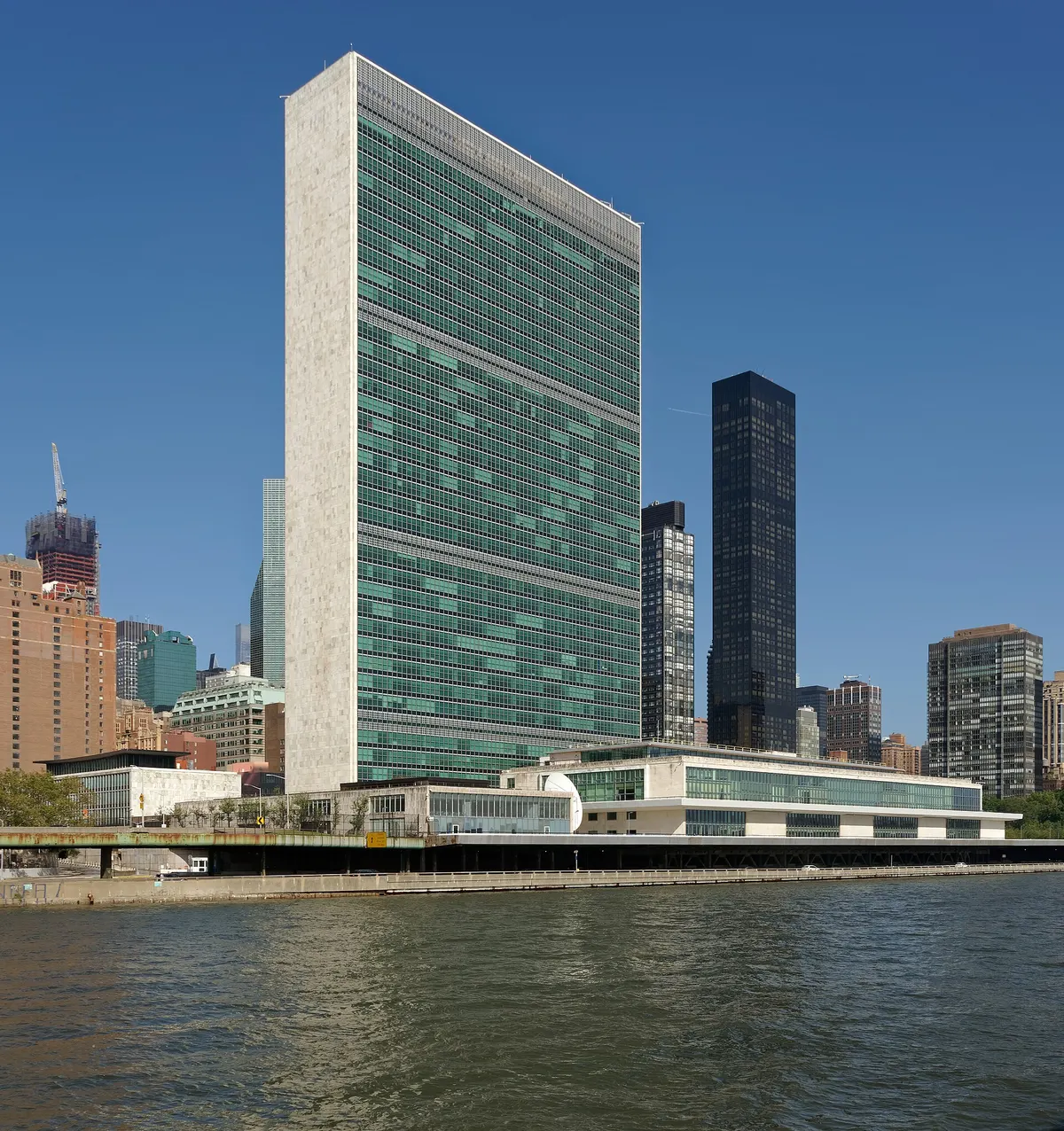
Photo: Jakub Hałun, CC BY 4.0 / Wikimedia Commons
A UN tribunal ruled that the firing of Palestinian aid workers in 2024 relied on unproven Israeli allegations, damaging humanitarian operations and sparking a massive financial crisis.
Go deeper
Want more on this story? Our research assistant searches the latest reports across the web and explains what it finds, so you get the fuller picture in one place.