
New analysis from the Met Office shows that the UK's seasons are shifting, marked by a significant drop in winter frosts and a sharp rise in hot summer days. Scientists attribute these changes directly to global climate warming, which is altering agricultural yields and disrupting local wildlife patterns. The changes have become particularly pronounced in southern England and Scotland, affecting everything from daily farming practices to natural ecosystems. ## What happened The Met Office compared weather data from the decade leading up to 2025 against a baseline period from 1961 to 1990. Across the UK, winter days with an air frost—where temperatures drop to 0C or below—fell by about a quarter. In southern England, this reduction reached approximately a third. Specific regions saw even starker drops; in Cornwall and the Isle of Wight, the average number of winter frost days almost halved. Scotland remains the UK's frostiest nation, but its average winter frost days dropped from around 45 down to 38. Conversely, warm weather has accelerated. The average number of UK summer days hitting 25C has more than doubled, while days reaching the Met Office's threshold for a hot day at 30C have quadrupled nationally. Greater London saw days reaching 30C climb from an average of 1.3 up to 6.1 per summer. Provisional data showed that the summer of 2026 was the hottest on record, featuring five widespread heatwaves and 40 days of temperatures surpassing 30C. ## Why it matters The shifting climate is creating severe challenges for agriculture, wildlife, and water management. John Walgate, CEO of British Growers, stated that the impact on horticulture has been seismic, noting that vegetable yields for crops like cauliflowers, cabbages, and broccoli dropped by about 50%. Wet winters have caused problems with planting, pests, and diseases, while subsequent dry summers have left crops starved of water. Arable farmers are forced to adapt; for instance, Norfolk farmer Tim Young planted a vineyard to offset struggling wheat, onion, and sugar beet crops, harvesting double his expected grape yield. Meanwhile, Zoe Quiroz Cullen of The Wildlife Trusts notes that warmer winters are confusing animal behaviors, waking bats from hibernation prematurely and causing amphibians to spawn earlier when food is scarce. ## The background The Met Office is the UK's national meteorological service, providing weather forecasts and climate research. Its scientists track long-term climatic shifts by comparing modern meteorological data against historical baselines, such as the 1961 to 1990 reference period used in this analysis. Global climate change acts as the primary driver behind these regional anomalies, widening the summer season and compressing the winter season. The agricultural sector has historically relied on predictable seasonal cycles and cold winter temperatures to suppress pests, making these rapid thermal deviations a profound shock to traditional farming methods. ## What happens next Farmers, scientists, and environmental organizations continue to monitor how extreme temperature variations and water stress will impact future crop yields and natural habitats. Growers are increasingly exploring crop diversification, such as viticulture, to remain viable against shifting weather frontiers. Officials note that managing unpredictable water availability and adapting to physiological temperature strains will remain ongoing challenges for humans, animals, and crops alike. ## Key takeaways - Across the UK, the number of winter days with an air frost was about a quarter lower in the decade to 2025 than during the period from 1961 to 1990. - The average number of UK summer days reaching 25C has more than doubled, while days reaching 30C have increased fourfold. - Summer 2026 became the hottest on record with five widespread heatwaves and 40 days of temperatures exceeding 30C. - Agricultural yields for brassicas fell by about 50% due to a combination of wet winters and severe summer droughts.
World
UK Seasons Shifting As Winters Lose Frosts and Summers Grow Hotter
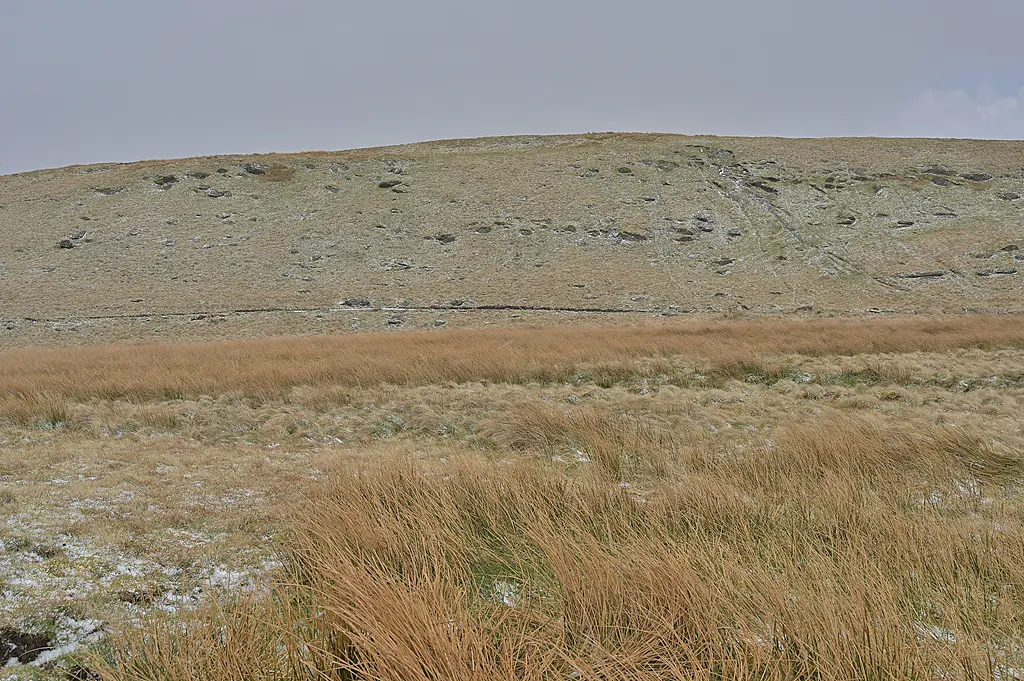
Photo: Nigel Brown, CC BY-SA 2.0 / Wikimedia Commons
New analysis from the Met Office reveals that the UK's seasons are shifting due to global climate change, bringing significantly fewer winter frosts and a doubling of hot summer days.
Go deeper
Want more on this story? Our research assistant searches the latest reports across the web and explains what it finds, so you get the fuller picture in one place.