
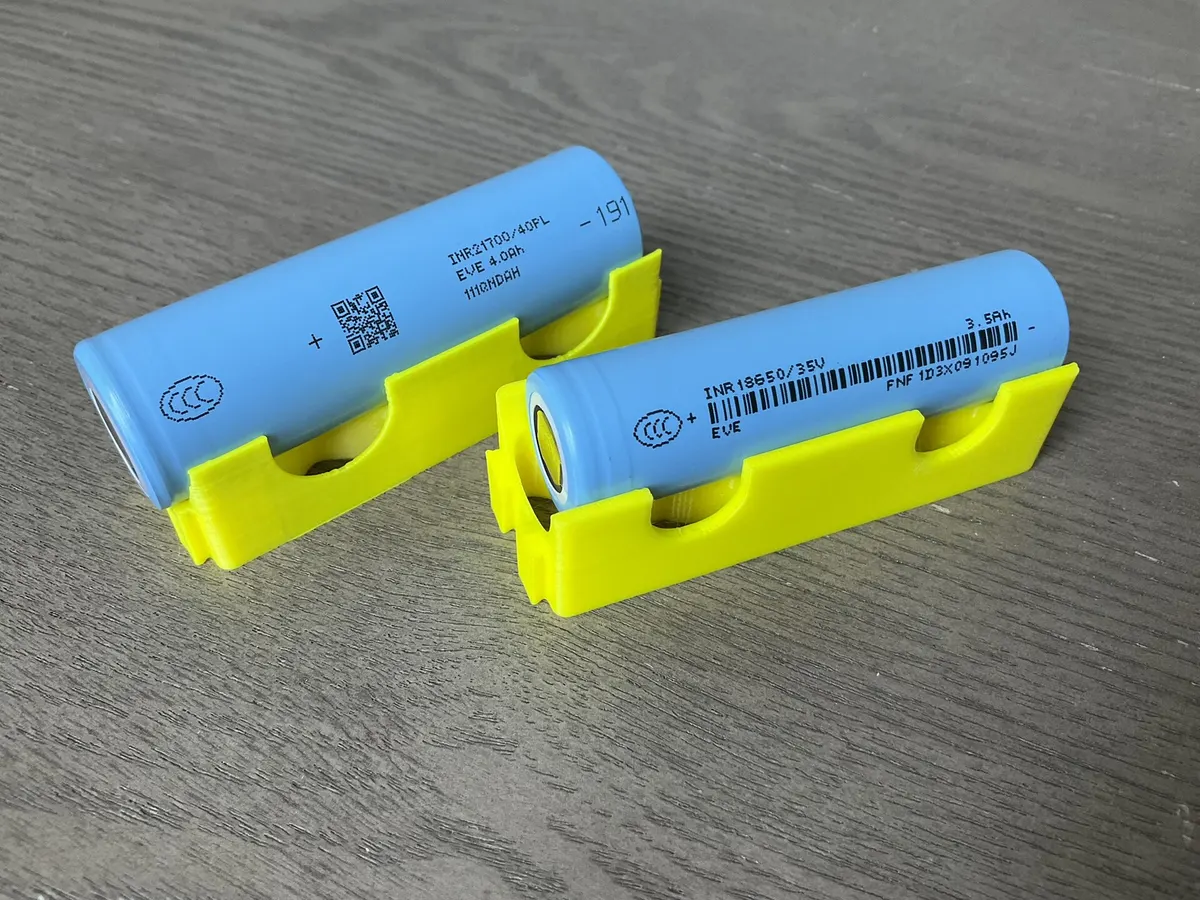
China-linked battery projects are positioned to receive state subsidies in Great Britain despite growing warnings from security experts about potential vulnerabilities in Europe's critical energy infrastructure. Ofgem, the British energy regulator, released a provisional shortlist of 16 projects for a new energy storage scheme, dominated by low-cost lithium-ion batteries that are primarily manufactured in China and operated using Chinese software.
While the funding decisions aim to support renewable energy storage, industry critics and national security strategists argue that the process fails to properly weigh long-term security risks against short-term cost savings. The final funding announcements are expected in the coming weeks following a consultation period.
What happened
Ofgem published its provisional shortlist in June for a long duration energy storage scheme designed to help balance the Great Britain power grid by storing and releasing renewable energy for at least eight hours at a time. Because lithium-ion batteries are relatively low-cost compared to alternative technologies, 11 projects using them outcompeted homegrown alternatives to secure spots on the 16-strong shortlist.
Developers behind the shortlisted bids include Field Energy with five projects and Statera Energy with three projects, including two lithium-ion sites and one pumped hydro project. Both companies have established historical links to Chinese battery manufacturers such as Envision Energy and Sungrow. Envision Energy has been categorized by US senators as closely linked to the Chinese Communist Party, while Sungrow was recently the subject of an ethical hack by a German cybersecurity firm that claimed access to hundreds of thousands of European solar installations.
Critics note that Ofgem's assessment framework heavily prioritizes project costs and evaluates IT security measures strictly on whether they might delay the delivery timelines of the projects in the early 2030s. Senior industry sources stated that the regulator has not adequately weighed the security and economic benefits of supporting British storage technologies. For instance, Invinity Energy Systems, a UK producer of vanadium flow batteries, threatened to reconsider its domestic manufacturing plans after Ofgem shortlisted only one project using its alternative technology.
Why it matters
The reliance on Chinese green technology poses significant economic and national security risks to Europe's energy systems. Energy regulators face intense pressure to accelerate grid-balancing solutions that lower consumer costs, but critics warn that importing dominant foreign hardware and software creates long-term vulnerabilities to foreign interference and cyberattacks.
The background
Lithium-ion batteries are rechargeable energy storage systems widely used in electric vehicles and large-scale grid applications due to their high efficiency and falling production costs. China dominates the global manufacturing supply chain for these batteries. Great Britain's energy market relies on independent regulators like Ofgem to manage grid infrastructure and disburse government-backed support schemes in accordance with legal and policy frameworks set by parliament.
What happens next
Ofgem is expected to confirm the final list of projects selected for financial support in the coming weeks following a review of consultation responses. Meanwhile, the UK government maintains that energy system security remains a top priority and that investments are subject to rigorous national security scrutiny.
Key takeaways
- Ofgem's provisional shortlist for a new energy storage scheme is dominated by low-cost lithium-ion batteries linked to Chinese manufacturers.
- Critics and former national security officials warn that the UK is risking its energy security by failing to adequately account for long-term foreign interference threats.
- British alternative storage developers like Invinity Energy Systems have threatened to reconsider domestic manufacturing plans after missing out on regulatory support.
- Regulators maintain that project evaluations strictly follow current government and parliamentary legal frameworks while considering general cybersecurity guidance.