
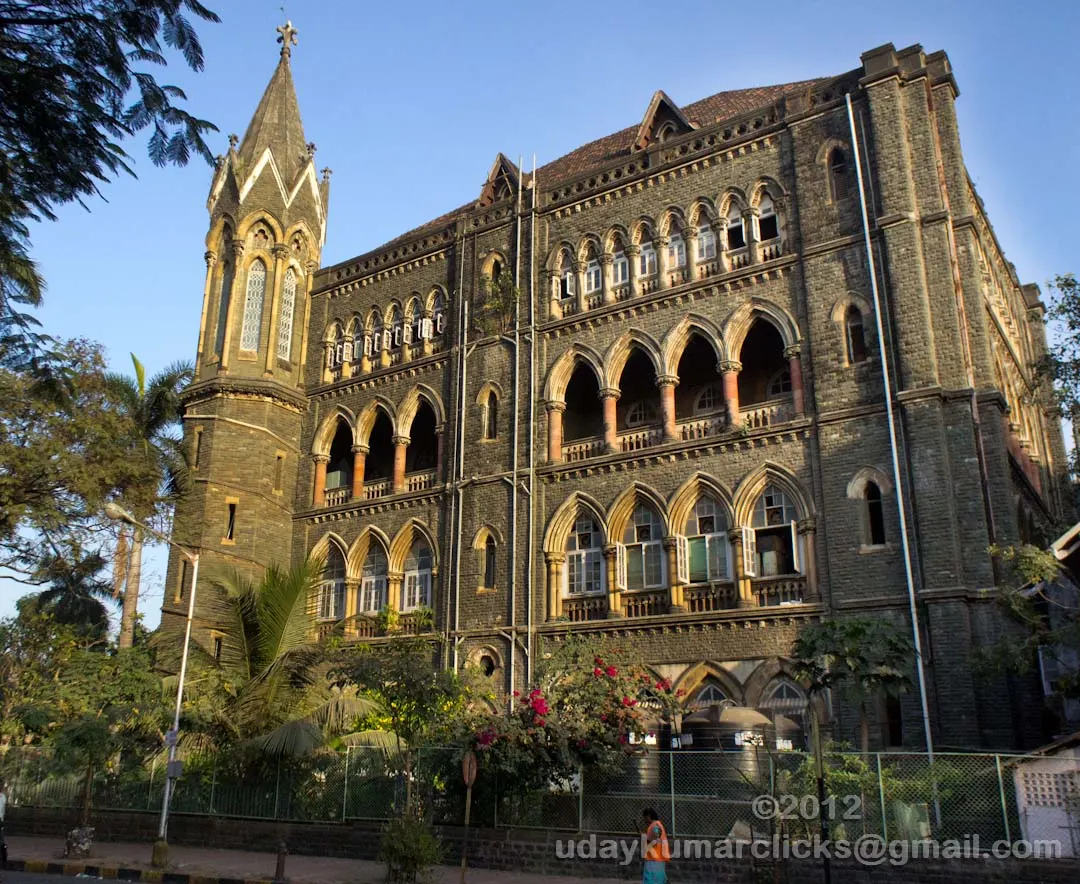
Tata Trusts has escalated an internal governance dispute into a legal battle by filing two separate suits in the Bombay High Court against Tata Sons and six of its directors, including Noel Tata. The legal challenge targets the September 17, 2026, board decision to grant N. Chandrasekaran a third five-year term as executive chairman starting in February 2027.
At the core of the dispute is whether a board chairman can use a casting vote to override a split between directors appointed by the trusts. Tata Trusts is seeking court orders declaring the reappointment void, alongside ₹65 crore in total damages from two of its constituent trusts.
What happened
Natarajan Chandrasekaran has served as the executive chairman of Tata Sons since 2017. Although he initially indicated in August 2026 that he would not seek another term when his current tenure ends in February 2027, he later informed the board that he was willing to stay on for another five years.
During the Tata Sons board meeting on September 17, 2026, directors considered a resolution to reappoint Chandrasekaran. The vote resulted in a split between the two directors nominated by Tata Trusts under Article 104B of the company's Articles of Association. Venu Srinivasan voted in favour of the reappointment, while Noel Tata voted against it. Chandrasekaran recused himself as an interested party.
With the board split, acting chair Harish Manwani treated the situation as a tie and exercised a casting vote to pass the resolution 4:1. Tata Trusts argues that this action violated Article 121 of the Articles of Association, which requires an affirmative majority vote among trust-nominated directors. The trusts contend that a casting vote only applies to general board ties and cannot be used to override a division among trust nominees.
On November 25, 2026, the Sir Dorab Tata Trust (SDTT) and RD Tata Trust (RDTT) authorized legal action. They filed two separate suits in the Bombay High Court, with SDTT seeking ₹50 crore in damages and RDTT seeking ₹15 crore, both with 18% interest. The case was initially brought before Justice Arif S. Doctor, who recused himself, and was subsequently reassigned to Justice Abhay Ahuja for a scheduled hearing on November 27, 2026.
Why it matters
The conflict strikes at the heart of governance within India's largest conglomerate, testing the boundaries of power between the holding company's board and the philanthropic trusts that own a controlling stake in it. Tata Trusts holds a 66% holding in Tata Sons, giving the trusts immense influence over the group's leadership and strategic direction.
If the court invalidates the September 17 resolution, it could uproot the leadership structure of the entire Tata Group and set a major legal precedent for how family-owned conglomerates and charitable trusts manage voting rights and board disputes. The lawsuit also attempts to block Chandrasekaran from utilizing a casting vote at upcoming board meetings, particularly as the board prepares to address contentious corporate matters such as the mandatory listing of Tata Sons required by the Reserve Bank of India.
The background
Tata Sons is the primary holding company of the Tata Group, a global Indian conglomerate with business operations spanning diverse sectors including steel, automotive, and IT services like Tata Consultancy Services. The majority of Tata Sons' equity is held by philanthropic entities known as Tata Trusts, which include the Sir Dorabji Tata Trust and the RD Tata Trust.
The group operates under intricate governance structures embedded in its Articles of Association, designed to balance professional management with the oversight of the Tata family and its trusts. Previous high-profile boardroom battles, such as the dispute involving former chairman Cyrus Mistry, have tested these governance mechanisms in India's legal forums.
What happens next
A hearing on the petitions was scheduled at the Bombay High Court before Justice Abhay Ahuja. Meanwhile, a critical Tata Sons board meeting is scheduled for November 30, 2026, where the primary agenda item is the listing formalities of Tata Sons. The plaintiffs are seeking an immediate interim injunction to prohibit Chandrasekaran from using a casting vote at that upcoming meeting if the trust nominees split their votes again, though they are not seeking to stay the November 30 meeting itself.
Key takeaways
- Tata Trusts filed two separate suits in the Bombay High Court challenging N. Chandrasekaran's reappointment as executive chairman of Tata Sons.
- The trusts argue that the September 17 board resolution violated Article 121 of the company's Articles of Association because it lacked an affirmative majority vote from trust-nominated directors.
- SDTT and RDTT are collectively seeking ₹65 crore in damages along with 18% interest.
- The legal challenge seeks to prevent Chandrasekaran from using a casting vote to break ties at the upcoming November 30 board meeting.