
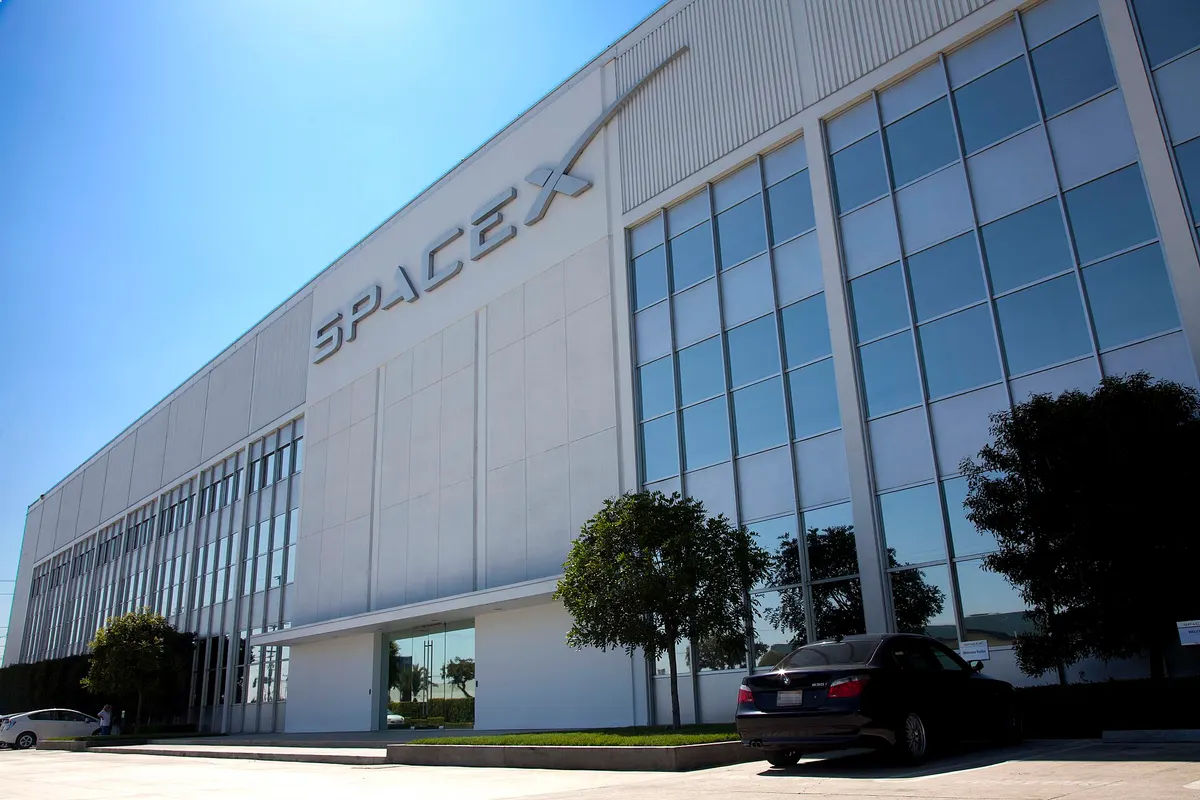
SpaceX's artificial-intelligence coding platform, Cursor, has informed U.S. lawmakers that it is considering phasing out Chinese artificial-intelligence models. The move comes in response to growing Washington scrutiny over the American tech industry's reliance on technology developed in China.
Cursor, which SpaceX acquired at an implied $60 billion equity value in August, previously built its coding model Composer 2 on top of Kimi K2.5, a model created by Chinese lab Moonshot AI. While American companies have increasingly adopted these models due to their cost and performance, the trend has alarmed federal lawmakers amid the broader geopolitical competition between the United States and China.
What happened
According to a report produced by the House Committee on Homeland Security and the House Select Committee on China, Cursor informed the committees of its plans to explore dropping models developed in the People's Republic of China because of geopolitical risk. The report is the result of a months-long investigation into how Chinese AI models have been integrated into the American technology stack. Other companies, including Airbnb and DoorDash, also engaged with the investigation regarding their own use of these models.
The congressional investigation found that American firms adopted Chinese AI models primarily due to cost, customization, and near-frontier performance. The report noted that the United States currently lacks a competitive open-weight alternative that matches the price and performance demanded by the market. In addition to Cursor, Airbnb, and DoorDash, government bodies are grappling with broader security issues, such as Chinese companies accessing advanced Nvidia chips remotely via overseas data centers and using techniques like distillation to train new models.
Why it matters
The growing reliance on Chinese artificial intelligence by U.S. technology firms has triggered intense concern among lawmakers in Washington, who worry that Beijing is seeking to turn its technological gains into global market share and long-term dependence. The congressional report recommends launching a national American open-weight initiative to combine public computing power and shared evaluation infrastructure. It also proposes expanding existing bans to prohibit the use of Chinese-developed AI models across all federal information systems and in the performance of federal contracts.
What happens next
Federal agencies continue to tighten restrictions on technology access. The U.S. Commerce Department's Bureau of Industry and Security announced an interim final rule designed to prevent Chinese companies from gaining remote access to artificial intelligence chips through overseas data centers. Meanwhile, Cursor, SpaceX, DoorDash, and the Chinese government ministries have not publicly commented on the latest congressional findings and recommendations.
Key takeaways
- SpaceX subsidiary Cursor informed congressional committees that it is considering phasing out Chinese AI models due to geopolitical risk.
- The platform previously built its Composer 2 coding model on top of Kimi K2.5, created by Chinese lab Moonshot AI.
- A congressional report highlights that cost, customization, and performance drive U.S. tech adoption of Chinese models in the absence of cheaper domestic alternatives.
- Lawmakers have recommended creating a national American open-weight initiative and banning Chinese AI models from federal information systems and contracts.