
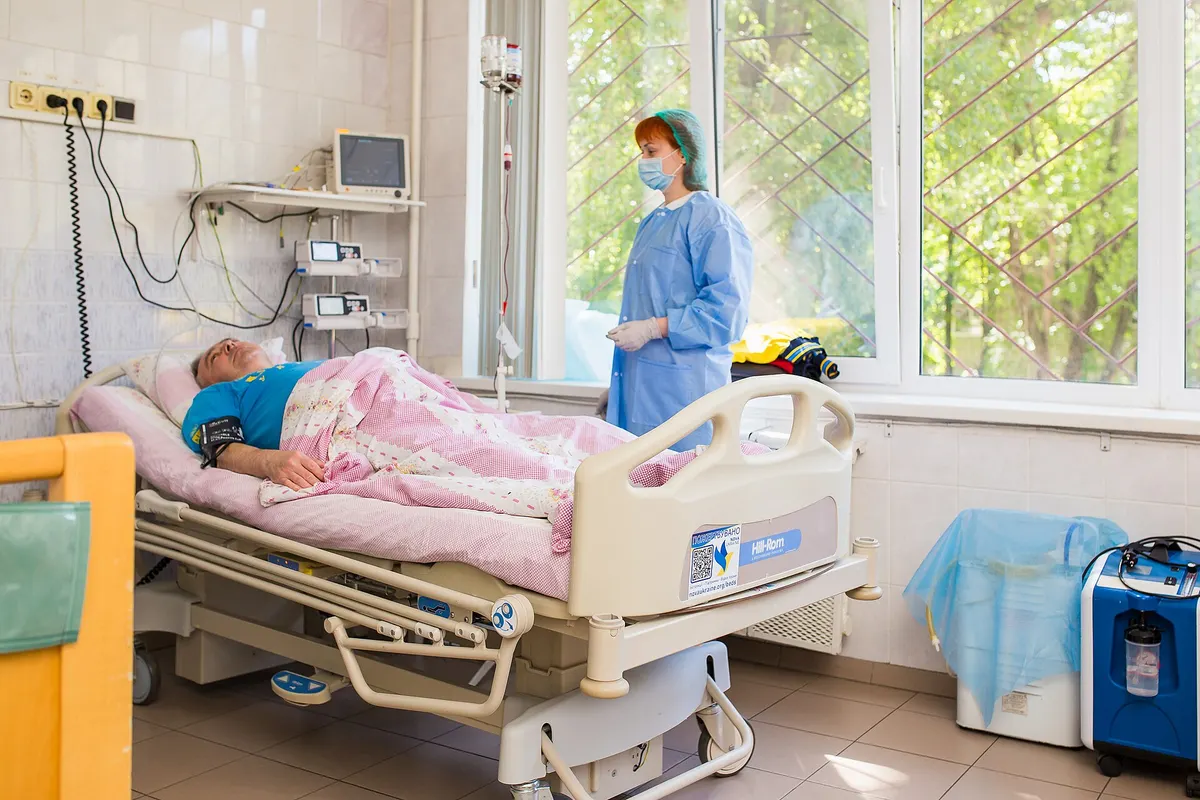
Rowena Davies planned to travel the world with her partner until a diagnosis of severe ME changed her life entirely. The 42-year-old is now completely bedbound, unable to talk, and sensitive to light and noise. Her partner, Shauna Chambers, gave up work to care for her alongside family members who must wash, feed, and brush Rowena's teeth. Campaigns across Wales highlight that healthcare provision for people with severe ME remains inadequate, leaving families to navigate a debilitating multi-system condition largely on their own.
Campaigners warn that people with severe ME could die without urgent changes to services in Wales. While some health boards have expanded local support programs, medical experts note that nationwide care remains inconsistent and lacking in dedicated clinical leadership.
What happened
Rowena Davies initially believed she was suffering from burnout after experiencing a persistent cough that lasted for months, followed by extreme exhaustion after minor tasks. Years of searching for answers led to a formal ME diagnosis in 2021. Her partner, Shauna Chambers from Tywyn in Gwynedd, describes Rowena as formerly full of energy and passionate about sport. Today, Rowena can no longer tolerate light or sound, and any exertion causes her condition to deteriorate further. Shauna notes that caring for her requires full-time assistance with basic daily needs including washing, feeding, and dental hygiene.
Campaigners speaking to BBC Wales characterized healthcare services for the most severely affected patients as resembling a desert. Although Rowena recently received her first visit from the Living Well service within the Betsi Cadwaladr health board—which has expanded to include ME with funding from the Welsh government's Adferiad programme—advocates point out that care varies significantly across different health boards. Wales currently lacks a clinical lead for ME.
Other patients share long histories of struggle with the condition. John Peters from Swansea was diagnosed 40 years ago after contracting a virus that ended his days as a keen rugby player. He describes cycling through periods of temporary improvement followed by new infections that forced him into extended confinement in dark rooms. Peters emphasizes the profound loss of identity that comes with losing a career, marriage, and fatherhood to the illness.
Why it matters
Myalgic encephalomyelitis is a complex multi-system condition that affects an estimated 400,000 people across the UK. It features symptoms such as extreme fatigue and post-exertional malaise, meaning simple physical or mental activities can leave individuals completely debilitated. Because the severity ranges across a spectrum from mild to very severe, patients face vastly different daily realities. Dr Binita Kane, a Liverpool-based private consultant with a special interest in ME and long Covid, reports a growing waiting list of patients nationwide. She points out that even when patients access a service, they often cannot obtain medications for symptom control because integrated doctors are missing from these clinics.
The background
Myalgic encephalomyelitis, sometimes referred to as chronic fatigue syndrome, has no known cure. Researchers are still investigating the exact causes, though triggers are known to include infections or other illnesses. The condition affects individuals differently and lacks specific medical treatments. In Wales, the Welsh government has introduced the Adferiad programme to help fund health board initiatives aimed at improving quality of life and supporting independence for individuals managing ME within their daily circumstances.
What happens next
The Welsh government has stated that proposals for an all-Wales specialist, an expert group, and national standards are currently under consideration. Meanwhile, patients and campaigners continue to push for structural reforms to ensure consistent care across all health boards.
Key takeaways
- A 42-year-old woman has been left bedbound and unable to talk for five years following a diagnosis of severe myalgic encephalomyelitis.
- Campaigners warn that inadequate healthcare services for severe ME patients in Wales could lead to avoidable deaths.
- An estimated 400,000 people across the UK live with ME, a complex multi-system condition with no known cure.
- Medical experts highlight a lack of integrated doctors and consistent care pathways within current National Health Service provisions.