
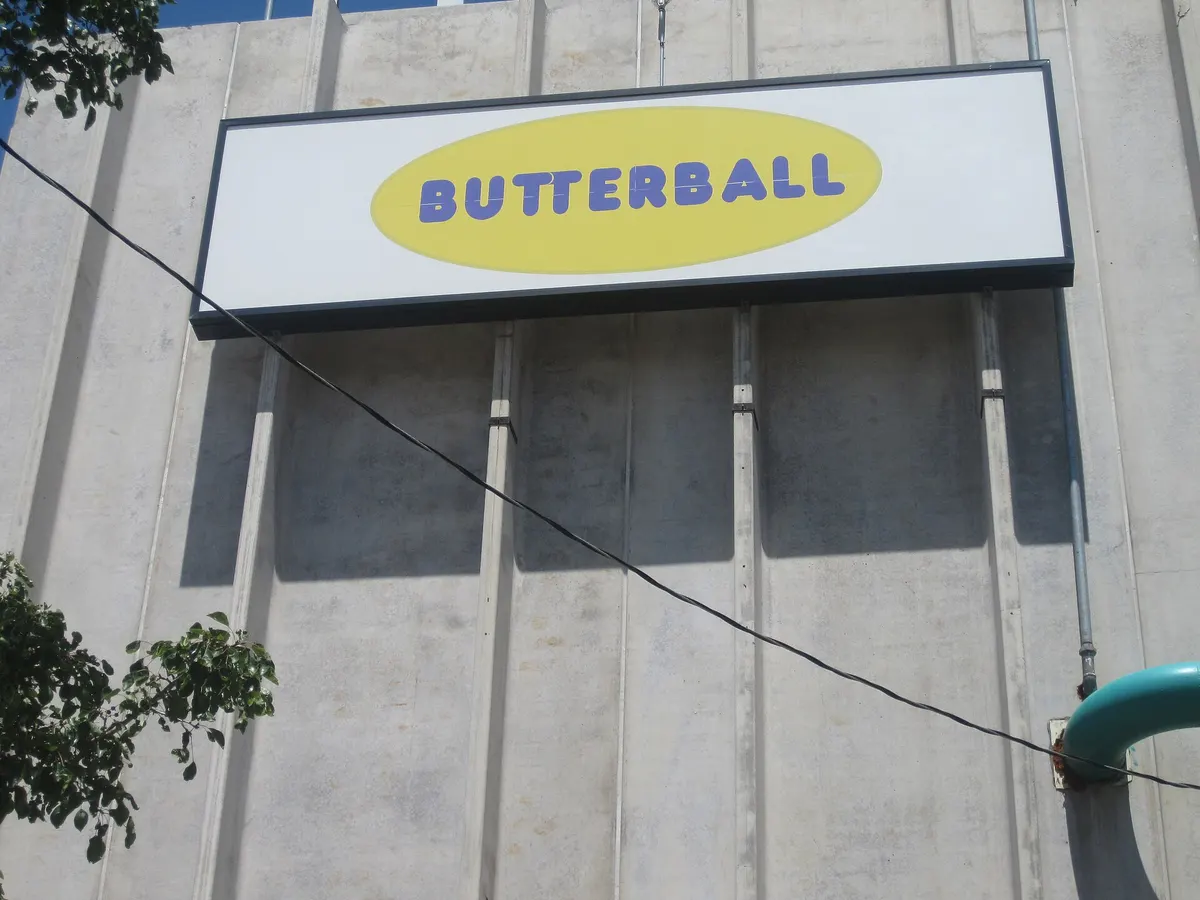
Inspection data covering two fiscal years shows that ground and chopped turkey produced by Butterball, the largest turkey company in the United States, suffers from salmonella contamination rates well above the national industry average. The findings emerged from an analysis of US Department of Agriculture records by investigative journalists.
While whole turkeys and ready-to-eat cooked items tested clean, raw ground products across Butterball's slaughterhouses showed high levels of the pathogen. The data highlights a widespread issue at the company's major processing facilities, raising fresh questions about food safety regulations and industry practices.
What happened
The findings are based on inspection data from the US Department of Agriculture’s food safety and inspection service, alongside state checks, which was analyzed by the publication SourceMaterial after being provided by the animal-rights campaign group Project Slingshot. The data covers fiscal years 2025 and 2026.
Just under 43 percent of ground or chopped turkey sampled over the past year at four Butterball plants contained salmonella. No contamination was found in the company's whole birds or ready-to-eat products.
At the Mount Olive factory in North Carolina, which is the nation’s biggest turkey slaughterhouse, inspectors found salmonella in 36 percent of the ground or chopped turkey samples tested. This significantly exceeds the USDA's acceptable limit of 13.5 percent for individual plants.
Butterball’s main rival, Jennie-O, recorded a 7 percent contamination rate for similar ground and chopped products over the same period. Furthermore, tests on bacteria found in bird intestines across all Butterball slaughterhouses revealed that two-thirds of salmonella and campylobacter strains showed resistance to at least one antibiotic.
Why it matters
Salmonella is a bacterium that lives in the intestines of poultry and can cause severe symptoms in humans, including nausea, diarrhea, and even death, if meat is not cooked properly before consumption. The Mount Olive facility alone processes 285,000 birds a week and distributes raw ground turkey, burgers, and sausages nationwide to major supermarkets including Walmart, Costco, and Kroger, as well as fast-food companies.
When a plant exceeds the USDA's acceptable salmonella limits, it does not face financial fines, nor is it required to issue product recalls. The government only requires the facility to explain how it plans to address the issue. Drug-resistant superbugs also complicate treatment for humans who fall ill, as doctors frequently rely on antibiotics to combat severe bacterial infections.
The background
The US Department of Agriculture’s food safety and inspection service regularly monitors commercial poultry plants for pathogens like salmonella and campylobacter. Ground and chopped meats are frequently more prone to contamination than whole cuts because every individual processing step provides another opportunity for the meat to come into contact with bacteria.
Butterball officials defended their operations, noting that their pre-cooked products remain free of contamination and arguing that drug-resistance tests use whole bird samples rather than finished retail products. Alice Johnson, senior vice-president of food safety at Butterball, suggested that regulators should measure the actual quantity of salmonella present rather than a simple binary presence-or-absence test. Food safety advocates countered that consumers are best protected by eliminating the pathogen entirely rather than managing lower quantities.
What happens next
Butterball stated that it is participating in a pilot program with federal food safety inspectors to evaluate the underlying causes of foodborne illnesses. The company also indicated that it continues to invest in new technologies and work with food safety experts to reduce pathogen levels. The reports do not specify any mandatory government penalties, production halts, or consumer recalls tied to the inspection findings.
- Inspection data shows salmonella in more than a third of ground or chopped turkey samples at Butterball plants.
- The Mount Olive factory in North Carolina recorded a 36 percent contamination rate, well above the USDA acceptable limit of 13.5 percent.
- Two-thirds of salmonella and campylobacter strains found in bird intestines showed resistance to at least one antibiotic.
- Butterball stated it is participating in a federal pilot program evaluating the causes of foodborne illness.