
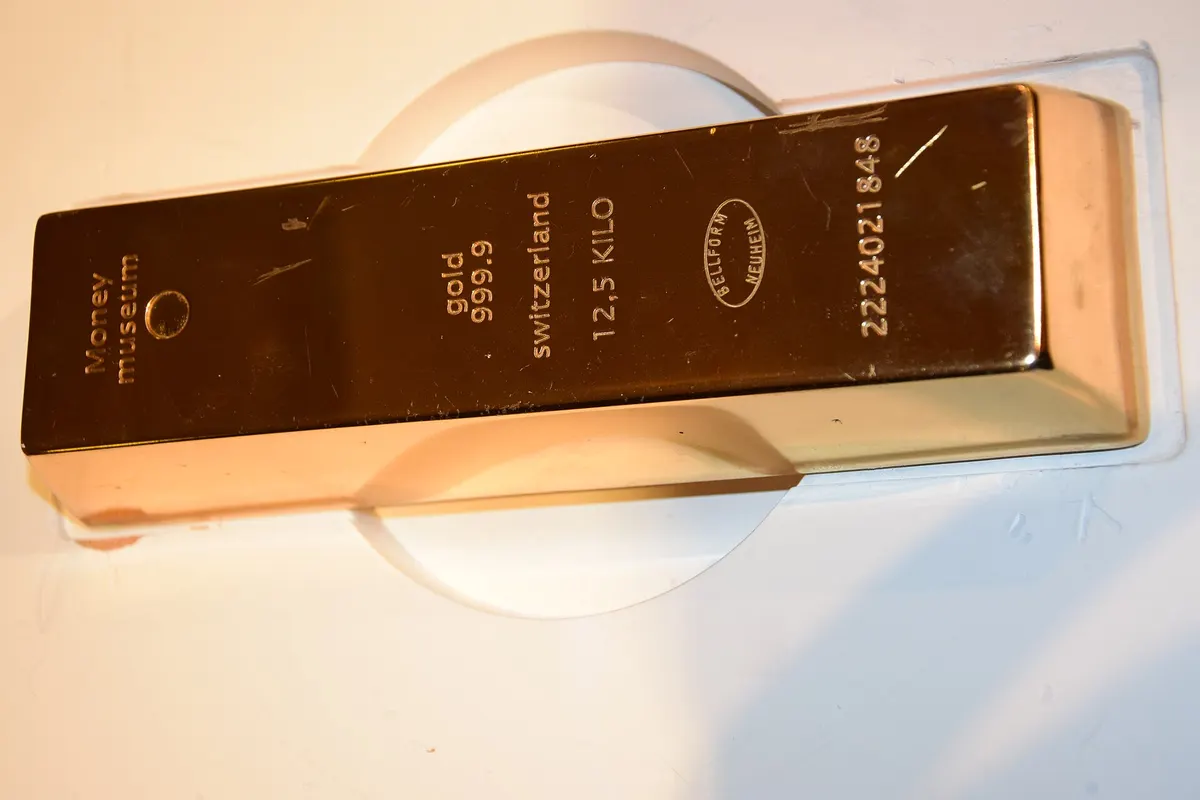
Domestic gold and silver prices surged across markets on Friday, bouncing back significantly from multi-month lows hit earlier in the week. The sharp rally affected both physical bullion and exchange-traded funds, providing a sudden reversal after heavy selling pressure.
Investors returning to the market for bargain purchases fueled the rebound. However, experts caution that the recovery may be temporary due to looming economic pressures and anticipated US interest rate decisions.
What happened
Precious metals saw massive volatility throughout the week, culminating in a strong rally on Friday, November 27, 2026. On the Multi Commodity Exchange, December 2026 silver futures jumped by 4.3% or over 6,300, reaching 1,52,135 per kilogram. December gold futures rose by about 2,500 to 1,24,787 per 10 grams. Delhi local bullion markets reported physical gold rising to 1,30,600 per 10 grams, while silver surged by 9% to 1,63,500 per kilogram. This marked a major turnaround from earlier in the week when gold hit its lowest level since August or September 2025 and silver dropped to a near one-year low. Exchange-traded funds based on gold and silver also experienced heavy buying, with silver-focused funds climbing up to 5% and various gold funds recording gains between 1% and 3%. Analysts attributed this sudden upward movement to short-covering, reduced selling pressure, and a pause in artificial intelligence-related market jitters while US markets were closed for a holiday.
Why it matters
Price swings in gold and silver directly impact retail buyers, wedding shoppers, and investors holding precious metal portfolios. While the rebound offers temporary relief to retail purchasers who witnessed a brief window of cheaper jewelry material earlier in the week, it also underscores high market volatility. Day traders and short-term speculators face heightened risks of sudden reversals, especially as global macroeconomic factors continue to shift rapidly. Retail investors are being advised to avoid impulsive lump-sum purchases driven by a single day of high gains and instead consider gradual accumulation.
The background
Precious metals are widely tracked as safe-haven assets and core components of diversified portfolios through physical bullion, futures contracts, and exchange-traded funds. Earlier in the week, prices faced heavy downward pressure due to a strengthening Indian rupee, which hit its strongest level of the year against the US dollar, making dollar-priced commodities cheaper domestically. Additional downward pressure came from hot US inflation data and rising Treasury yields, which cemented market bets that the US Federal Reserve would raise interest rates or keep them elevated.
What happens next
Market experts expect continued volatility in gold and silver prices driven by upcoming US economic data, crude oil price fluctuations, dollar index changes, and uncertainty surrounding US tariff policies. A widely anticipated US interest rate decision next month is seen as a major factor that will place renewed downward pressure on precious metals. Analysts recommend that long-term investors accumulate assets gradually during market dips, while short-term traders should wait for clearer market stability before establishing new long positions.
Key takeaways
- Domestic gold and silver futures saw sharp spikes on the Multi Commodity Exchange following a steep correction earlier in the week.
- Exchange-traded funds tracking precious metals recorded widespread gains, with select silver funds rallying up to 5%.
- Market experts characterize the recent price surge as a technical recovery driven by bargain buying and short-covering rather than a stable long-term trend.
- Upcoming US interest rate decisions and potential Federal Reserve policy tightening are expected to place renewed pressure on precious metal prices.