
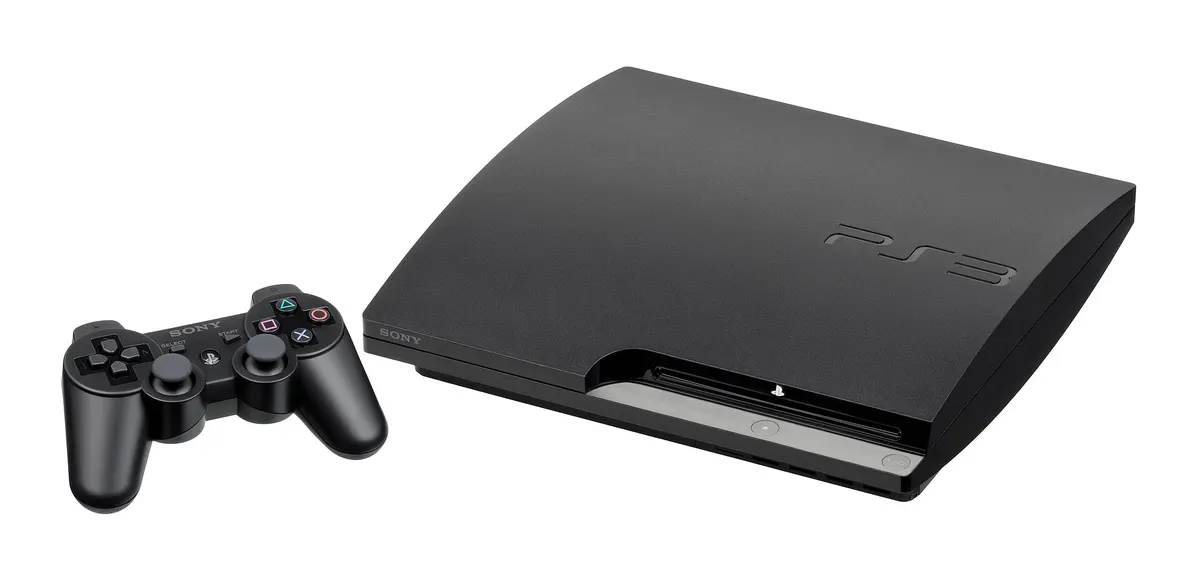
Mobile gaming enthusiasts have gained new ways to play classic console titles on the go as developers bring PlayStation 3 emulation to Android devices. Projects like aPS3e and the newly released ARMSX3 are making it possible to run desktop-origin emulation code directly on smartphones, though the software remains highly experimental. \nWhile these apps open the door to retro gaming on mobile screens, they demand powerful hardware and face significant technical hurdles. Players should expect high device temperatures, bugs, and varying frame rates depending on their phone's processor.
What happened
Several projects have emerged to bring PlayStation 3 emulation to Android operating systems, utilizing source code from the well-known desktop emulator RPCS3. A notable entry is aPS3e, which launched on the Google Play Store, alongside ARMSX3, a proof-of-concept port released on GitHub by the team behind the ARMSX2 PlayStation 2 emulator. ARMSX3 specifically incorporates recent Arm-specific software improvements aimed at boosting performance and game compatibility on mobile architectures. Running these emulators requires users to supply a PlayStation 3 firmware file, which is freely available from Sony, alongside game ROM files. Testers experimenting with devices like the Snapdragon 8 Gen 2 have managed to run select titles, such as Skate 3 and Catherine, at variable frame rates ranging from roughly 20 to 30 frames per second. However, early users and developers report frequent bugs, including game crashes at launch, screen stretching in landscape mode, and prolonged shader compilation times that cause initial stuttering.
Why it matters
Playing complex console games on a smartphone poses a massive engineering challenge due to the unique and demanding processor architecture of the original PlayStation 3 console. Mobile gamers and retro enthusiasts are directly affected by these developments, as successful emulation allows them to experience classic titles without needing original hardware or sitting in front of a television. However, high performance requirements mean that average consumers or owners of budget Android phones are largely excluded from enjoying stable gameplay. Premium chipsets like high-end Snapdragon processors are currently necessary to achieve even modest speeds, while chips like Google's Tensor struggle significantly with graphically intensive titles. Furthermore, running such heavy emulation workloads pushes mobile hardware hard, leading to very high device temperatures during play sessions.
The background
Emulation is the process of software allowing one computer system—in this case, a modern mobile phone—to behave like another, entirely different system, such as a vintage video game console. The PlayStation 3, released by Sony in the mid-2000s, utilized a complex proprietary processor called the Cell Broadband Engine, which has historically made writing efficient translation software exceptionally difficult. For years, emulation of the console was restricted to powerful desktop computers through dedicated software like RPCS3. Over time, mobile emulators for older platforms like 16-bit systems and the PlayStation 2 grew increasingly sophisticated, eventually paving the way for developers to attempt porting complex desktop-class PlayStation 3 code to modern Android smartphones equipped with advanced graphics rendering backends like Vulkan.
What happens next
Because these applications are in early, experimental stages of development, compatibility and software speeds will continue to evolve through community updates and patches. Developers and tech reviewers note that future performance improvements will depend heavily on software optimizations and advances in mobile chipset capabilities. It remains unclear whether budget phones will ever successfully handle PlayStation 3 emulation, or if the technology will remain exclusively tied to high-end flagship and gaming-focused smartphones.
Key takeaways
- New applications like aPS3e and ARMSX3 are bringing experimental PlayStation 3 emulation to Android smartphones.
- The software incorporates improvements from desktop RPCS3 code but requires high-end processors like advanced Snapdragon chips to run properly.
- Users must supply their own game files and PlayStation 3 firmware obtained from official sources.
- Testing shows that playable frame rates are achievable for select titles, though players must contend with bugs, crashes, and high device temperatures.