
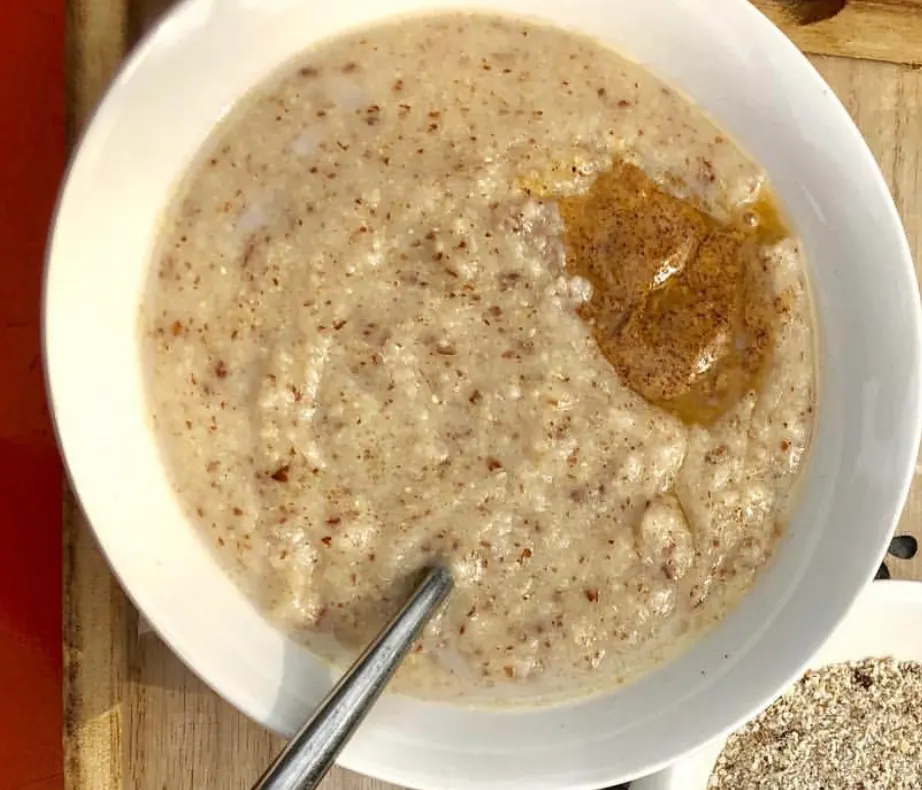
Shoppers are increasingly turning to fiber-rich, filling foods in an attempt to mimic the effects of popular weight-loss drugs. This shift in consumer behavior, fueled by social media trends, has led to a significant increase in the sales of staples like porridge oats.
Retailers report that this trend is reshaping grocery shopping habits across Great Britain. As appetite patterns evolve, both those on medication and those seeking similar satiety are prioritizing nutrient-dense foods that help them feel full for longer.
What happened
According to an annual food and drink report from the retailer Waitrose, sales of Scottish Oats have risen by 124% this year. The trend, often dubbed "nature’s Ozempic" or "oatzempic" on social media, encourages consumers to choose foods that provide a sustained feeling of fullness. A poll conducted for the report found that 64% of shoppers are actively choosing to eat foods like oats that keep us feeling fuller for longer.
This movement extends beyond oats to include items such as nuts, seeds, pulses, and tinned fish. The report identifies a trend of "fibre-maths," where consumers intentionally add seeds, salad toppers, and cereal stir-ins to their meals to increase their nutritional content. Porridge has become a primary focus of this trend, with creative recipes moving toward savory options like bone broth, chilli oil, and roasted vegetables.
Why it matters
GLP-1 medications are reshaping the entire food and drink landscape, even for people who aren’t on the medication. Because many individuals using these prescriptions are also the primary grocery shoppers for their households, their dietary requirements are influencing broader retail trends. Data suggests that 88% of those taking weight-loss medication have changed how they shop, with many increasing their protein intake and reducing alcohol consumption.
This trend highlights a growing demand for high-satiety foods, which are those that keep people feeling full for longer. As these appetite-suppressing medications become more common, retailers are adjusting their offerings to cater to consumers who are increasingly focused on portion control and nutrient density.
The background
GLP-1 refers to glucagon-like peptide-1, a class of drugs that mimic a hormone naturally produced in the gut to signal fullness to the brain. These medications have seen rapid adoption, with an estimated 2.6 million adults in Great Britain using them as of August, representing an increase of 700,000 people since February. The number of households with GLP-1 users now exceeds the number of households with vegetarians and pescatarians combined.
Waitrose’s findings are based on a survey of over 4,000 customers. The report also looks ahead to future flavor trends, predicting that "smugar," a combination of burnt sugar and smoky profiles, will become a prominent feature in bakeries and dessert ranges by 2027.
What happens next
It is unclear how long this specific social media-driven trend will persist, though retailers expect the focus on high-satiety foods to remain a significant factor in consumer behavior. Future developments in food retail are expected to include new flavor innovations like the "smugar" concept, as brands continue to respond to shifting consumer preferences for both health-conscious and adventurous eating.
Key takeaways
- Sales of Waitrose Scottish Oats are up 124% this year, according to the retailer’s annual food and drink report.
- GLP-1s are reshaping the entire food and drink landscape, even for people who aren’t on the medication.
- A poll conducted for the report revealed that 64% of shoppers are actively choosing to eat foods like oats that keep us feeling fuller for longer.
- About 2.6 million adults were using weight-loss medication in August, a rise of about 700,000 people since February.