
Nvidia co-founder and CEO Jensen Huang has returned to his role after an abrupt departure, bringing intense scrutiny to the chip giant's corporate oversight and reliance on its leader. While his reinstatement eased immediate leadership concerns, experts warn that the episode reveals deep structural vulnerabilities at one of the world's most valuable technology companies. Industry analysts and former executives argue that Nvidia's management functions failed to scale alongside its explosive growth, leaving the board unprepared for a crisis. As Huang prepares to face questioning from US lawmakers over national security concerns, investors and governance experts are demanding immediate reforms to the company's succession planning and board structure. ## What happened Jensen Huang stepped down following an investigation by Nvidia's board into an extramarital affair with an executive at a major Nvidia customer. US officials alleged that the customer executive was working as a Chinese spy. The investigation threatened the future of one of Silicon Valley's longest-serving executives, who has no obvious successor. However, Huang's departure was short-lived, and he was abruptly reinstated as CEO, a move described by industry observers as unprecedented for a president enforcing a chief executive's return. Following his reinstatement, US lawmakers on Capitol Hill threatened to use subpoena powers to force Huang's appearance before Congress. John Moolenaar, chairman of the House Select Committee on China, alongside the chairs of the House Foreign Affairs Committee and the Intelligence Committee, had written to Huang requesting a closed-door briefing to discuss security protocols and interactions with the alleged intelligence asset. Huang agreed to appear for congressional questioning after lawmakers received his response. Meanwhile, Nvidia's board stated it has no reason to believe that national security or company secrets were compromised, while Beijing has publicly rejected the spying allegations as a smear. ## Why it matters The turmoil has exposed a heavy reliance on a single founder at the heart of the artificial intelligence boom. Angela Mancini, head of advisory for global risk insights at Dow Jones, highlighted that Huang maintains an unusually large number of direct reports, asking what it means when a company has a CEO who feels too big to fire. Analysts note that this heavy concentration of power creates an extreme key-man risk that investors had previously chosen to ignore. For Nvidia, the episode forces a reckoning over how its leadership and long-term strategy are inextricably tied to Huang's personal vision and passion, particularly as the company expands into new markets like autonomous systems and robotics. ## The background Nvidia has transformed from a relatively small technology company into one of the world's most valuable corporations, largely driven by Huang's early investments in artificial intelligence and high-performance computing long before those businesses became profitable. Former Nvidia executive Jeff Herbst, who spent nearly two decades at the firm, wrote to the board calling for Huang's return while urging structural evolution. Herbst and other experts suggest that Nvidia must scale its corporate governance, legal, regulatory, and political functions to match its current scale, adding board members with experience running massive enterprises and establishing a formal succession pipeline. ## What happens next Lawmakers and Nvidia are negotiating a date for Huang's closed-door appearance on Capitol Hill, with representatives aiming to get him before Congress as soon as possible to understand the facts fully. Both Huang and the board face mounting pressure from investors to address succession planning transparently and communicate clear strategies for navigating future leadership transitions. The board must also balance implementing stronger corporate governance with retaining the visionary leadership required to drive Nvidia's ongoing technological innovations. ## Key takeaways - Nvidia CEO Jensen Huang's unexpected departure and reinstatement exposed deep corporate governance vulnerabilities and an over-reliance on its founder. - US lawmakers negotiated a date for Huang to appear before congressional committees following threats to use subpoena powers over alleged foreign espionage interactions. - Nvidia's board stated it found no evidence that national security or company secrets were compromised during the investigation. - Analysts and former executives are urging Nvidia to formalize succession planning and add experienced leaders to its board of directors.
Finance
Nvidia CEO's Return Puts Corporate Governance and Succession Under Scrutiny
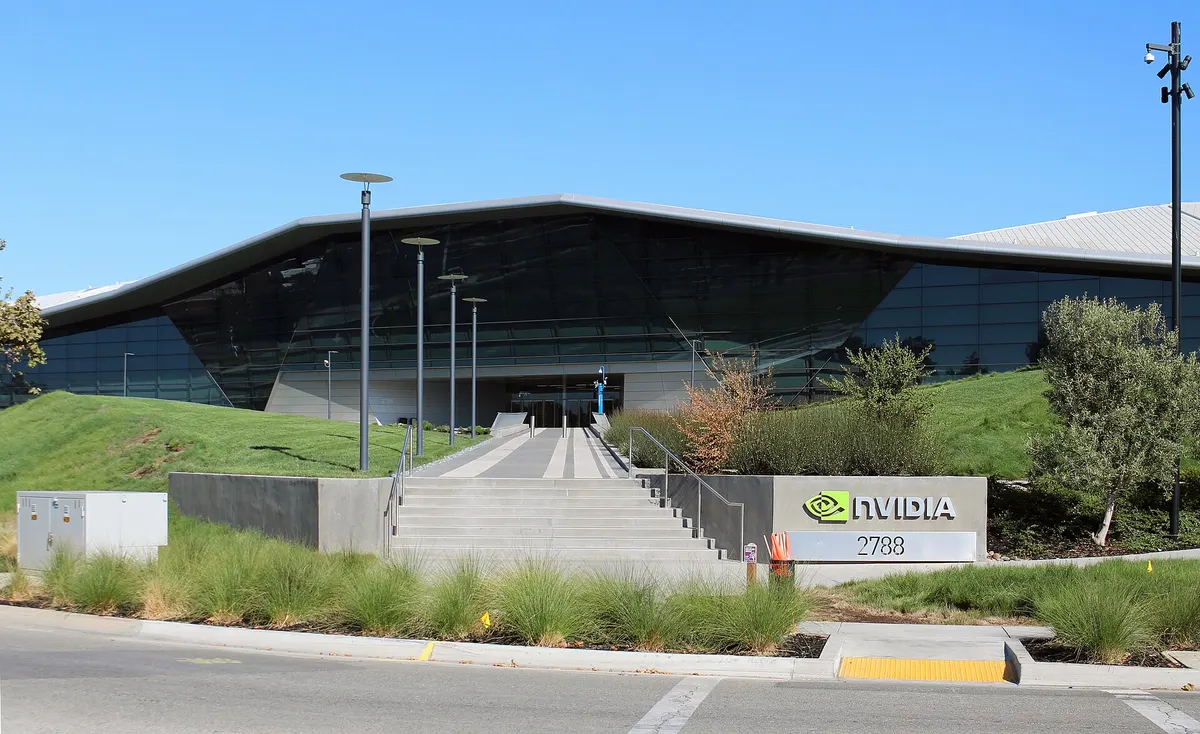
Photo: Coolcaesar, CC BY-SA 4.0 / Wikimedia Commons
Nvidia CEO Jensen Huang's abrupt departure and reinstatement have exposed deep vulnerabilities in the chipmaker's corporate governance, highlighting severe key-man risk as the company faces congressional scrutiny.
Go deeper
Want more on this story? Our research assistant searches the latest reports across the web and explains what it finds, so you get the fuller picture in one place.