
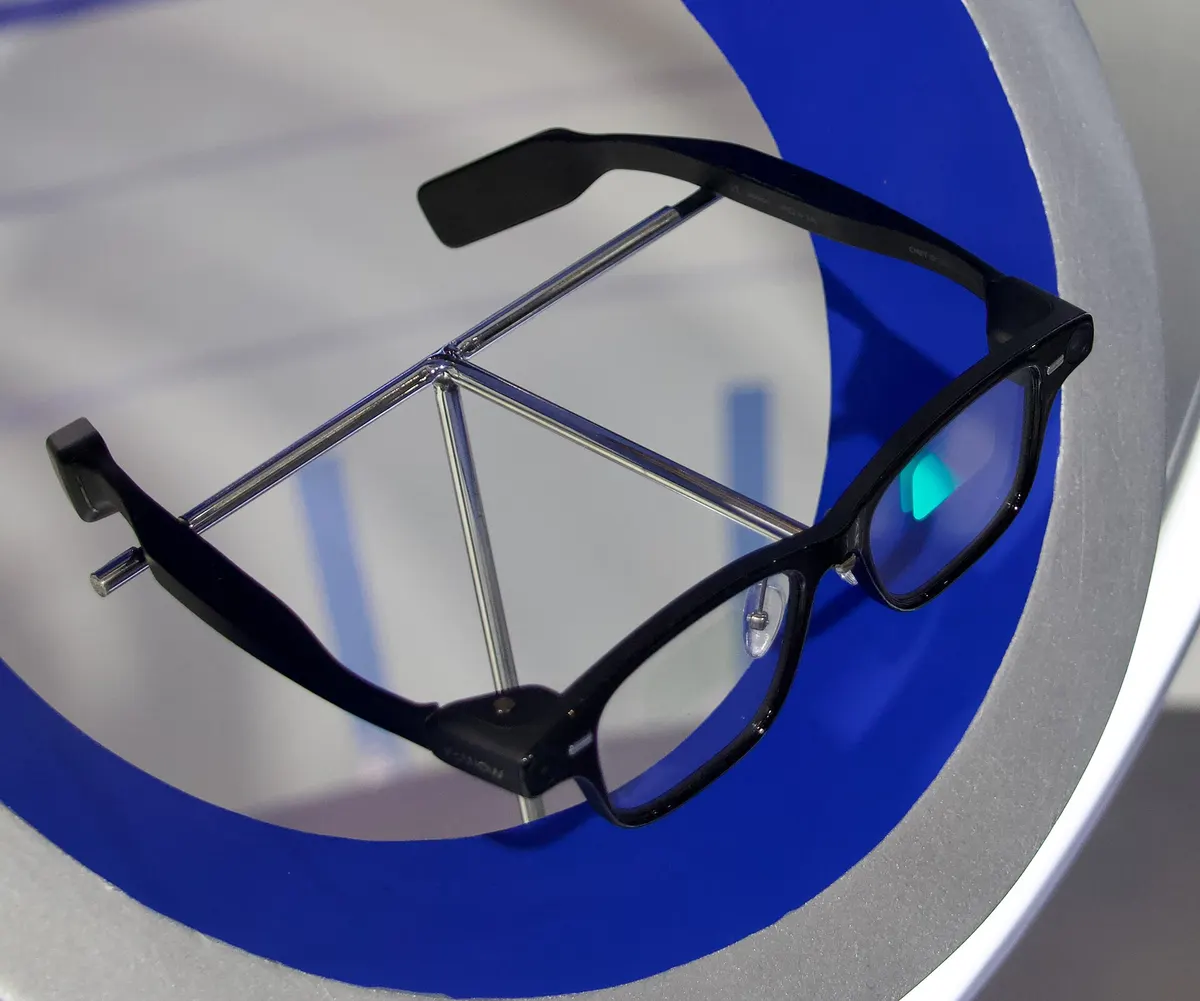
Smart glasses have evolved into two distinct categories: augmented reality display wearables that act as external screens, and audio-and-camera frames powered by artificial intelligence. Connecting them to an iPhone depends entirely on which type of device you own.
For display-based smart glasses that project screens into your field of view, establishing a connection is typically a straightforward, physical process. AI-powered audio glasses, by contrast, rely on wireless smartphone pairing to relay assistant prompts and manage media.
What happened
Reviewers and testing guides evaluating current wearable technology note distinct connection methods across different models. Devices such as the RayNeo GT Max AR glasses connect directly to an iPhone using a USB-C cable plugged into one of the arms of the glasses. Once connected, a virtual display appears almost immediately, serving as a large personal screen for movies, games, and television series. Users can control display settings via physical buttons on the left arm, including options to adjust brightness, color settings, and switch between two-dimensional and three-dimensional viewing modes. A dedicated button on the right arm allows users to toggle viewing modes such as Follow, Steady, and Pinned, which dictate how the virtual screen reacts to head movements.
Conversely, AI-enabled audio glasses like the third-generation Ray-Ban Meta frames do not feature screens in their lenses. Instead, they operate as ordinary-looking glasses embedded with a 12-megapixel camera capable of shooting 3K video, open-ear speakers, a multi-microphone array, and Meta AI. These frames are designed to pass audio responses directly into the user's ear and take photographs or record video without requiring a visual monitor tethered to a phone.
Why it matters
Consumers navigating the holiday shopping season face a rapidly expanding market of wearable technology priced anywhere from $249 for base-model Meta Adventurer frames to over $1,000 for advanced mixed-reality hardware. Understanding how these devices connect to standard smartphones like the iPhone prevents compatibility frustrations. For display glasses, a USB-C connection requires that the host device natively supports video output over USB-C, meaning users must verify phone compatibility before purchasing. For AI frames, buyers must weigh features such as prescription lens limits—which range from -12.00 to +6.00 on standard Ray-Ban Meta models—against battery life, camera specs, and privacy concerns surrounding built-in recording indicators.
The background
The wearable technology landscape is split between augmented reality devices that function as virtual displays and smart glasses focused on artificial intelligence, audio, and discreet photography. Companies such as Meta, RayNeo, and Viture compete in this space with varying hardware approaches. Meta's product lineup includes camera-enabled Ray-Ban frames, its own-brand Adventurer line, and upcoming display-based Meta VR Glasses scheduled for release in spring 2027 at an announced price of $1,299.99. Other manufacturers offer dedicated personal display glasses designed to act as portable extensions of existing mobile technology rather than running standalone operating systems like the Apple Vision Pro or Meta Quest.
What happens next
As manufacturers roll out firmware updates and prepare new hardware releases for 2027, holiday shoppers will continue evaluating current models based on price fluctuations, battery capacity, and ease of smartphone integration. Reviewers advise checking for firmware updates immediately upon unboxing wearable displays to ensure optimal picture quality and stability. Meanwhile, privacy concerns surrounding cameras embedded in everyday frames continue to drive software updates, such as features designed to halt recording if a device's warning light is obstructed.
- Connecting display-based smart glasses to an iPhone is achieved by running a USB-C cable from the phone to a port on the glasses.
- Devices like the RayNeo GT Max require the host smartphone to support video output over USB-C for a direct connection to function.
- AI-focused smart glasses such as the RayBan Meta feature integrated cameras and open-ear speakers but contain no screens in their lenses.
- Prescription lens compatibility remains a critical purchasing factor, with ranges varying significantly across different frame styles and brands.