
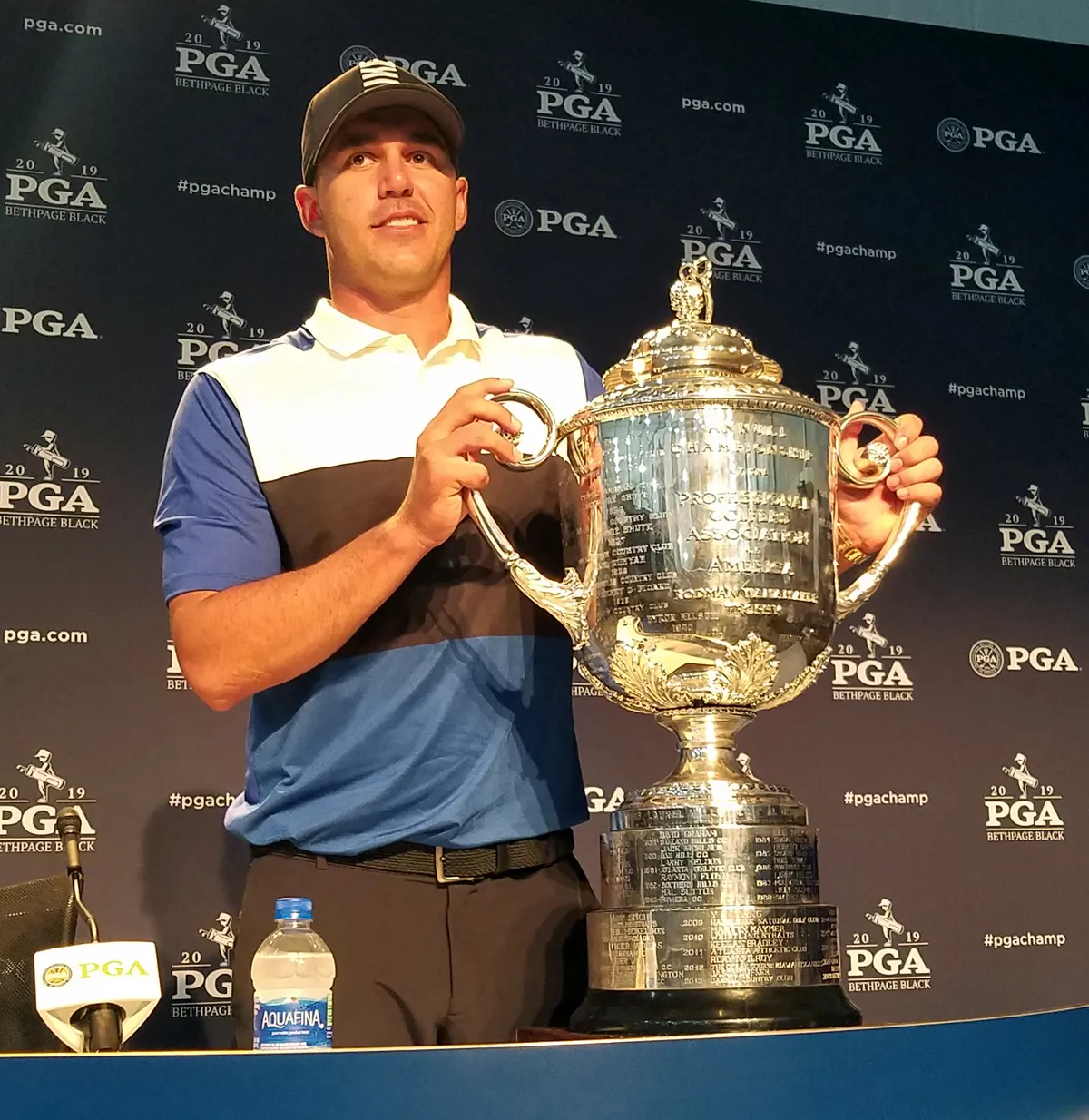
Five-time major champion Brooks Koepka returned to the PGA Tour this year under a Returning Member Program after managing to exit his LIV Golf contract. His reinstatement triggered a set of protective rules designed to ensure his presence did not harm the career standing of existing tour members.
Because Koepka finished the season at No. 108 in the FedEx Cup, the PGA Tour shifted players finishing behind him up by one spot in the rankings to prevent him from taking away eligibility. This administrative adjustment successfully altered tour status for several professional golfers heading into 2027.
What happened
When Koepka rejoined the PGA Tour, the tour instituted a series of unique stipulations. Among them, two extra players were added to the field every single time Koepka teed it up throughout the season. Golfers including David Skinns, Séamus Power, and A.J. Ewart took advantage of these extra spots by earning points across multiple events, though their gains were not quite large enough to alter their overall standing.
The major impact arrived at the conclusion of the FedEx Cup Fall standings, where Koepka landed at No. 108. To protect the eligibility of golfers directly behind him, the tour moved affected players up one spot. Former world No. 1 Jason Day thus moved up one position to No. 110, securing conditional status in a category that does not experience a reshuffle all year, with the option to choose a career money exemption instead. Further down the leaderboard, Max McGreevy finished tied for 10th at the RSM Classic, an outcome that initially left him sitting on the bubble outside the crucial top 125. However, with Koepka positioned ahead of him, McGreevy officially claimed the No. 125 spot to retain conditional status. Similarly, Pontus Nyholm climbed from No. 151—representing no status at all—into conditional status at No. 150.
Why it matters
For professional golfers, moving even a single spot in the FedEx Cup standings can entirely alter a player's career trajectory and earning potential. Securing conditional status inside the top 125 offers a player a substantial block of starts, often between 15 and 20 appearances on the major tour. Missing out by a single position forces a player to spend the subsequent season grinding on the developmental Korn Ferry Tour, where opportunities are vastly more scarce. For veterans like Jason Day and bubble competitors like Max McGreevy, the tour's protective adjustments provided a vital safety net that preserves their immediate playing futures.
The background
LIV Golf is a rival professional golf circuit funded by Saudi Arabia's Public Investment Fund that lured away several high-profile stars from the traditional PGA Tour with massive guaranteed contracts, sparking a massive schism in professional golf. When defections initially began in 2022, the PGA Tour adjusted its career money list and FedEx Cup standings to account for departing players. Koepka's journey back to the PGA Tour required navigating these complex modern divisions through the tour's newly created Returning Member Program.
What happens next
Players who benefited from the status shifts, such as Jason Day and Max McGreevy, will utilize their updated conditional categories to plan their tournament schedules and secure starts for the upcoming season.
Key takeaways
- Brooks Koepka returned to the PGA Tour this year via a Returning Member Program after exiting his LIV Golf contract.
- The PGA Tour added two players to the field every time Koepka played as part of his reintegration agreement.
- To prevent Koepka from harming other players' eligibility, the tour shifted golfers finishing behind him up by one spot in the standings.
- Jason Day moved up to No. 110 to secure locked conditional status and retained the option for a career money exemption.
- Max McGreevy leveraged a tied-10th finish at the RSM Classic and the ranking shift to grab the final No. 125 conditional spot.