
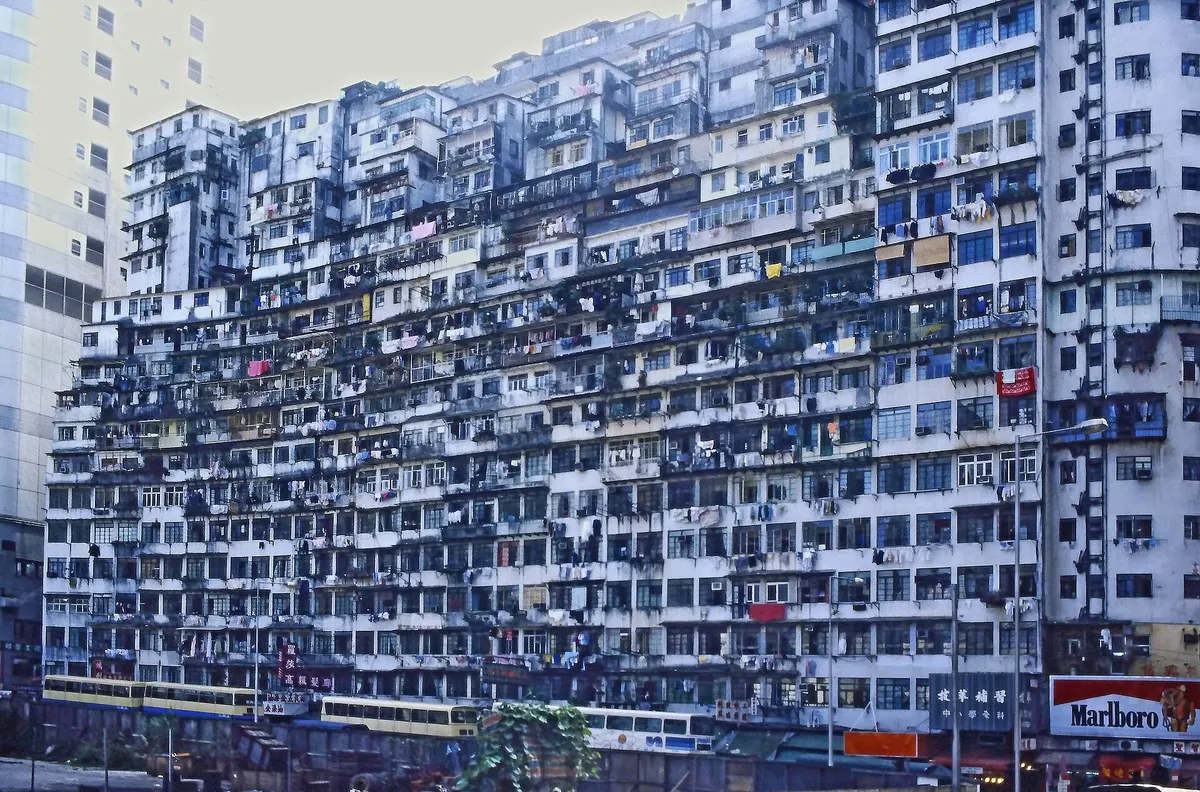
A devastating fire tore through the Wang Fuk Court apartment complex in Hong Kong on 26 November last year, killing 168 people. The disaster unfolded during mandatory building renovations, turning homes into traps due to a series of human errors, safety failures, and suspected corruption.
An independent committee released a final report finding that the tragedy was entirely preventable. The blaze spread at an unprecedented speed of 10m per second, fueled by cheaper, non-fire-retardant mesh netting chosen as a cost-saving measure.
What happened
Mandatory inspections for buildings over 30 years old led to renovations at Wang Fuk Court, an eight-block apartment complex where residents had lived for decades. Prestige Construction and Engineering won the contract with a HK$336m bid. Once work began in July 2024, residents faced months of living with windows taped over with foam boards and exteriors covered in bamboo scaffolding and protective mesh.
Residents lodged nearly 140 complaints with six government departments regarding issues like workers smoking on site and dropping cigarette butts, but these were largely ignored. A final report suggested the fire was sparked by a lit cigarette. Following typhoon damage to original scaffolding nets in 2025, cheaper non-fire-retardant materials were installed. Furthermore, a staff member of the estate's property manager, ISS, had turned off the power supply to the fire alarms in all eight buildings, preventing alarms from sounding when the fire broke out.
Residents like 74-year-old Lau Man Kwong were trapped. Mr Lau, a wheelchair user, locked himself in the toilet where he was later found by rescuers. Those who tried to flee also found that emergency staircases presented severe obstacles.
Why it matters
The disaster highlights severe vulnerabilities in building management, contractor oversight, and regulatory enforcement during large-scale urban renovations. Families lost loved ones in what was supposed to be routine maintenance for safety and structural integrity. The incident places intense scrutiny on property management companies, construction contractors, and government departments that failed to act on numerous safety complaints from residents.
The background
Wang Fuk Court is an eight-block residential complex in Hong Kong completed in 1983. Under local regulations, all buildings over 30 years old must undergo mandatory inspections and subsequent necessary renovations. Management committees typically oversee these projects. In this case, 57 construction companies submitted bids, with Prestige Construction and Engineering winning the contract despite being the most expensive option, placing a heavy financial burden on elderly residents who subsequently protested the costs.
What happens next
The independent committee has released its final report detailing the systemic failures, alleged fraud, and suspected corruption behind the disaster. ISS stated it reviewed and reinforced its procedures and staff training in Hong Kong following the findings, taking the report very seriously. The reports do not specify further legal or judicial actions against specific individuals or companies beyond the committee's findings.
Key takeaways
- A devastating fire at the Wang Fuk Court apartment complex in Hong Kong killed 168 people during mandatory renovations.
- An independent committee found the tragedy was entirely preventable and caused by human errors, safety failures, alleged fraud, and suspected corruption.
- The blaze spread at an unprecedented speed of 10m per second after cheaper, non-fire-retardant replacement mesh netting was chosen as a cost-saving measure.
- A property manager staff member turned off the power supply to fire alarms in all eight buildings, meaning no alarms rang on the day of the fire.