
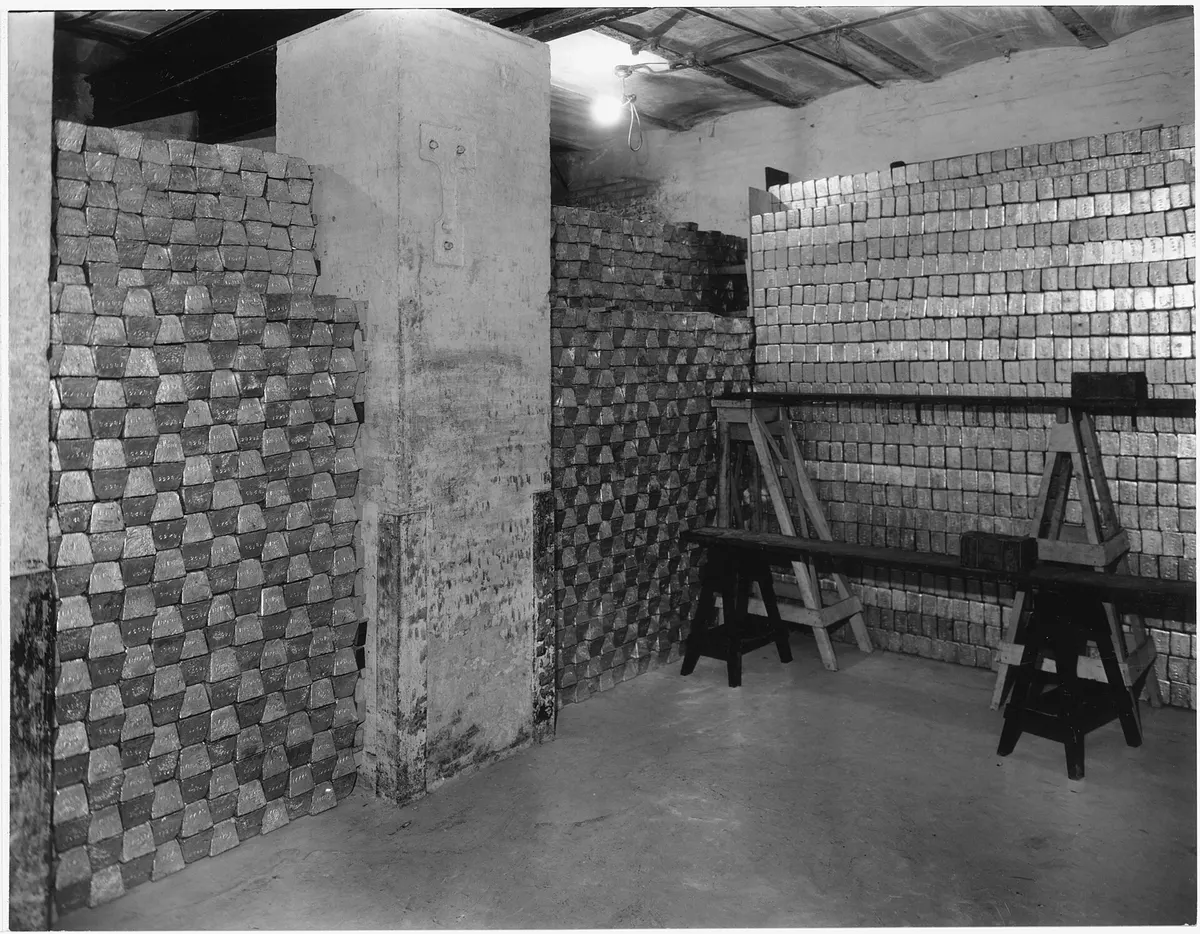
Gold prices have tumbled sharply after reaching historic highs earlier in the year, leaving investors facing a dramatic market reversal. Following a record-breaking run that saw prices peak at $5,589.38 an ounce on January 28, the precious metal dropped below $3,800 for the first time since September 2025.
Experts attribute the rapid downturn to a shift in how investors view gold, moving from a safe haven to a source of liquidity as macroeconomic conditions change. The primary takeaway is that while gold itself has not changed in scarcity, the financial alternatives—such as high-yielding cash and bonds—have become vastly more attractive.
What happened
The historic rise in gold was fueled by strong physical demand starting in 2022 and a major shift by long-term investors. Throughout 2025, holdings in gold-backed exchange-traded funds, led by products like SPDR Gold Shares, rose by roughly 800 tons. Global gold exchange-traded funds saw a record $89 billion in inflows, doubling total assets to $559 billion as a weaker dollar, lower bond yields, and worries about global debt drove investors toward the metal.
That dynamic reversed rapidly. The Middle East conflict sparked the first correction as investors sold their holdings to raise cash, treating gold as a liquid asset rather than a portfolio safe haven. Subsequently, the market began pricing in a more hawkish Federal Reserve. Federal Reserve Board of Governors member Christopher Waller raised the possibility of a 50-basis point rate hike to shock the market, while the Fed leaned toward higher interest rates overall.
This shift brought higher Treasury yields and a strengthening dollar, dramatically raising the opportunity cost of holding a non-yielding asset. Other precious metals, such as silver, have similarly plummeted from their all-time high prices in 2026.
Why it matters
Individual investors and portfolio managers are directly impacted by this shift, as the fundamental math of asset allocation has changed. Those who bought gold to protect their purchasing power during a low-interest-rate environment now face a market where cash and traditional stock-and-bond mixes offer significantly better returns.
Money market funds paying 4% to 5% provide a safe, income-generating alternative that allows investors to maintain purchasing power without relying on an illiquid asset. The sudden correction serves as a stark reminder of how quickly market sentiment and central bank policies can alter the value of commodities.
The background
Gold operates uniquely as both a commodity and a currency, depending on prevailing market forces and investor psychology. Exchange-traded funds are investment funds traded on stock exchanges that hold assets like precious metals, allowing investors to buy and sell exposure without handling the physical material.
For years leading up to 2025, long-term investors had been reducing their exposure to gold-backed funds, which created excess supply in the market. That trend flipped dramatically in 2025 as lower interest rates made cash unappealing and sent investors scrambling for alternative ways to maintain wealth. However, the speed of that rally ultimately made market participants uneasy and left the door open for a sharp correction.
What happens next
Markets are continuing to price in future actions by the Federal Reserve, particularly regarding potential interest rate hikes. Financial advisors note that as long as interest rates remain elevated and cash alternatives offer strong yields, gold will face continued pressure from investors calculating the high opportunity cost of holding it.
- Gold prices fell below $3,800 an ounce, dropping roughly a third from a historic peak of $5,589.38 reached on January 28.
- Federal Reserve officials have signaled potential interest rate hikes, including a discussed 50-basis point increase.
- Alternative investments like money market funds paying 4% to 5% have reduced the appeal of holding non-yielding assets like gold.
- Global gold exchange-traded funds experienced record inflows of $89 billion in 2025 before market dynamics reversed in 2026.