
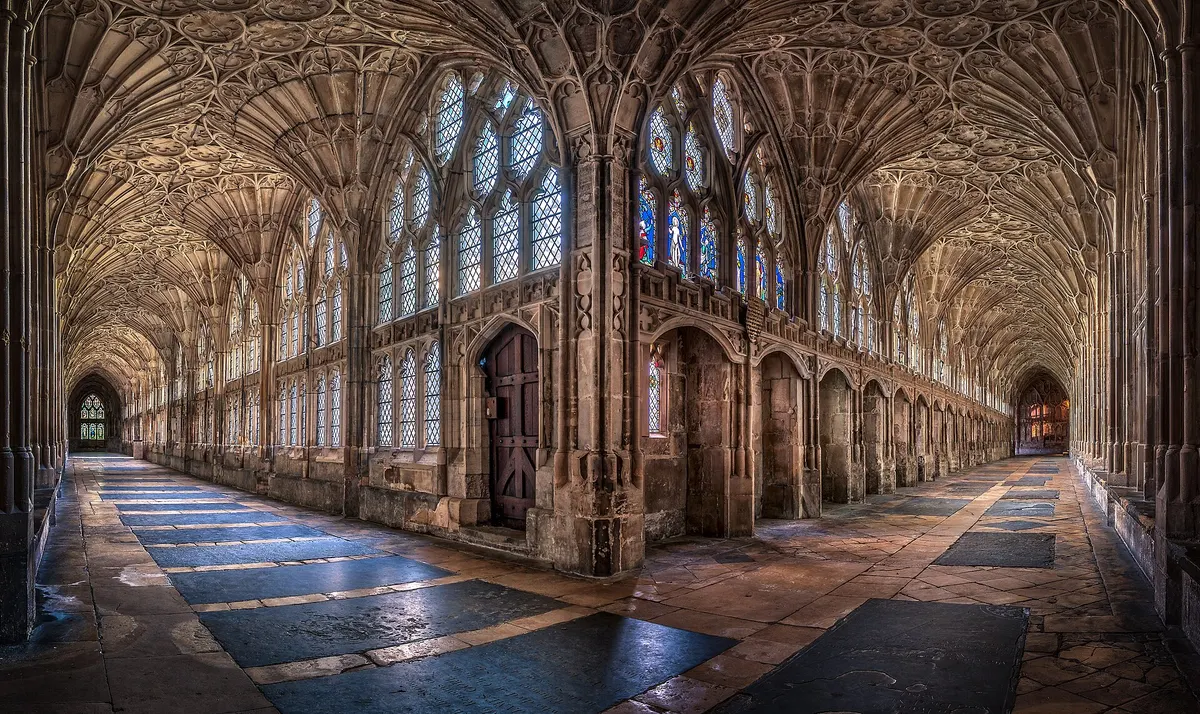
Gloucester Cathedral has implemented an organizational restructure resulting in a small number of voluntary redundancies. Cathedral leaders emphasize that no staff members face compulsory job cuts as part of the changes.
The cathedral currently faces operating expenses of about £10,500 every single day just to keep its doors open. Rising costs prompted the management team to evaluate staff roles, responsibilities, and overall organizational operations.
What happened
Facing mounting financial pressures, Gloucester Cathedral initiated a comprehensive review of its management and staffing structure. Reverend Andrew Zihni, the Dean of Gloucester, described the reshaping of the cathedral's finances as a difficult but necessary step to secure its future. While a small number of employees opted for voluntary redundancies, leaders successfully avoided mandatory layoffs.
The institution must continually raise funds year-on-year through visitor admissions, donations, grants, and fundraising. Unlike state-run or centrally endowed institutions, the cathedral receives no automatic funding from either the government or the national church. Expenses span a wide range of essential operations, including building maintenance, heating, staffing, heritage preservation, education, music, worship, and safeguarding.
Why it matters
The financial strain is not isolated to Gloucester. Cathedral leaders across the West of England report feeling similar economic pinches, forcing them to adopt creative fundraising strategies. Across the broader English cathedral sector, establishments collectively employ 6,000 people and welcome nearly 10 million visitors annually. Larger sites like Canterbury Cathedral and York Minster require upwards of £30,000 a day simply to open their doors.
To bridge the funding gap, Gloucester Cathedral is actively diversifying its revenue streams by leaning into commercial angles. This includes hosting public concerts inside the building. Cathedral leadership maintains that these commercial efforts integrate smoothly with regular religious and community activities rather than replacing them.
What to know
The Chapter, which is the governing body responsible for running Gloucester Cathedral, is tasked with balancing heavy maintenance demands with community service. Officials stress that despite the administrative shakeup, the institution remains committed to serving the local city, county, and wider community for generations to come. Sector representatives point out that cathedrals operate 365 days a year, shouldering massive infrastructural upkeep alongside their spiritual and cultural duties.
Key takeaways
- Gloucester Cathedral restructured its organization and accepted voluntary redundancies to address rising operating costs.
- The cathedral costs about £10,500 a day to run, with zero automatic funding from the government or national church.
- Management avoided compulsory redundancies entirely while reviewing staff roles and operational responsibilities.
- Leadership is diversifying income through commercial activities like hosting concerts to help cover heating, maintenance, and music expenses.