
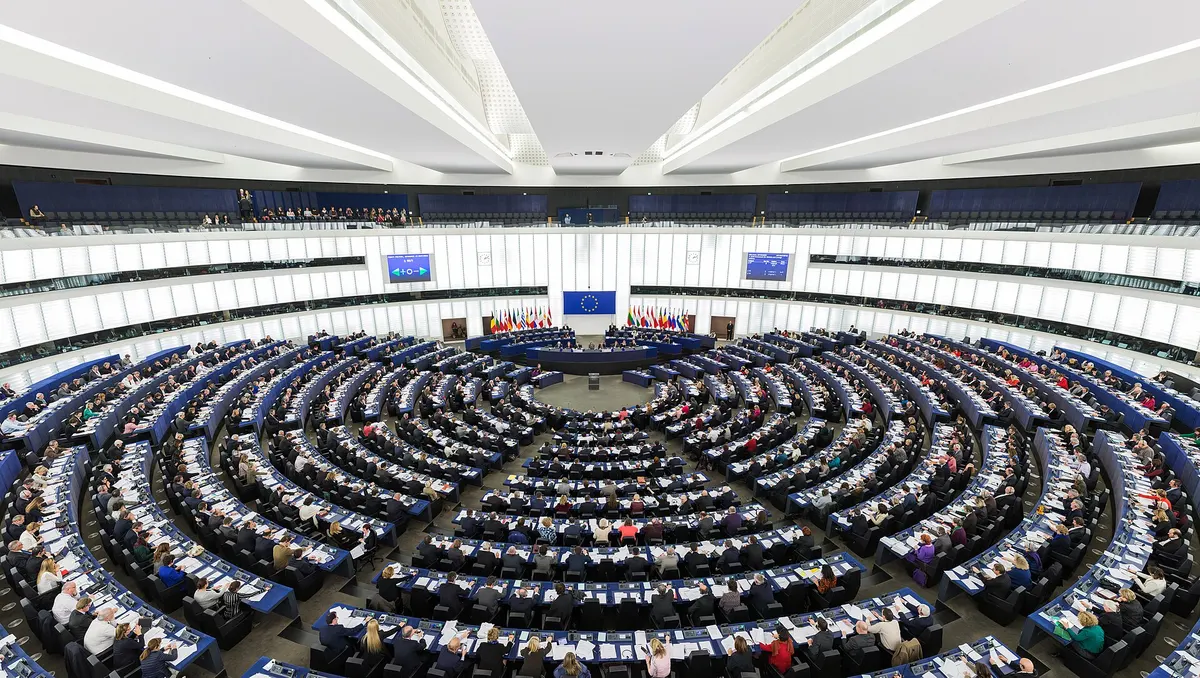
Over the coming months, more than half of the European Union's electorate will go to the polls in elections that could significantly alter the political direction of the continent. Attention is focused particularly on voters in four of the bloc's five biggest states, where traditional centrist parties face mounting pressure.
While few of Europe's far-right parties advocate leaving the European Union entirely, they view the bloc as a top-down project that undermines national sovereignty. Their stated goal is to transform the union into a much looser arrangement.
What happened
In Spain, a snap general election could end eight years of socialist-led rule and bring a far-right party into government. Prime Minister Pedro Sánchez has governed with the support of the leftist Sumar party, but polling suggests Sánchez and his allies will fail to secure a parliamentary majority. This leaves an opening for the centre-right People's party, led by Alberto Núñez Feijóo, who may need to bring the far-right Vox party of Santiago Abascal into government.
In France, President Emmanuel Macron has served the maximum two terms and will not be on the ballot in the upcoming presidential election. Polling suggests Marine Le Pen, leader of the far-right National Rally, will reach the runoff stage for the third time. Unlike previous contests, centrist candidates are splitting the vote, and polls indicate Le Pen could face and defeat a far-left challenger in the final round.
In Poland, decades of politics have been dominated by the hard-right Law and Justice party and the centrist Civic Coalition led by Donald Tusk. Although support for Law and Justice is faltering, polls indicate that disaffected voters are shifting toward parties even further to the right, such as the libertarian nationalist Confederation coalition and the Confederation of the Polish Crown.
Why it matters
The potential rise of far-right figures into government roles in major European states threatens to reshape the internal governance and policy coordination of the European Union. These political shifts challenge the established consensus on integration, migration, and economic policy within the bloc.
The background
Since the restoration of democracy in Spain in 1977, prime ministers have traditionally come from a few established centrist or center-left and center-right parties. Similarly, Polish politics has experienced a stark polarization for two decades between Law and Justice and Donald Tusk's party, leading to ongoing constitutional friction. In France, the traditional two-round presidential system has historically relied on a strong centrist candidate to block far-right contenders in the final runoff.
What happens next
Elections are scheduled across the various member states over the coming months and years, including Spain's upcoming general election and France's presidential vote slated for spring. The exact composition of future governing coalitions remains unconfirmed pending the final vote counts and subsequent negotiations.
- Over the coming 12 months, more than half of the EU’s electorate will go to the polls in elections that could change the direction of the continent.
- In Spain, a snap general election could end eight years of socialist-led rule and bring a far-right party into government.
- Polling suggests that Marine Le Pen of the far-right National Rally will reach the presidential runoff in France.
- In Poland, faltering support for the Law and Justice party is largely flowing toward parties even farther to the right.