
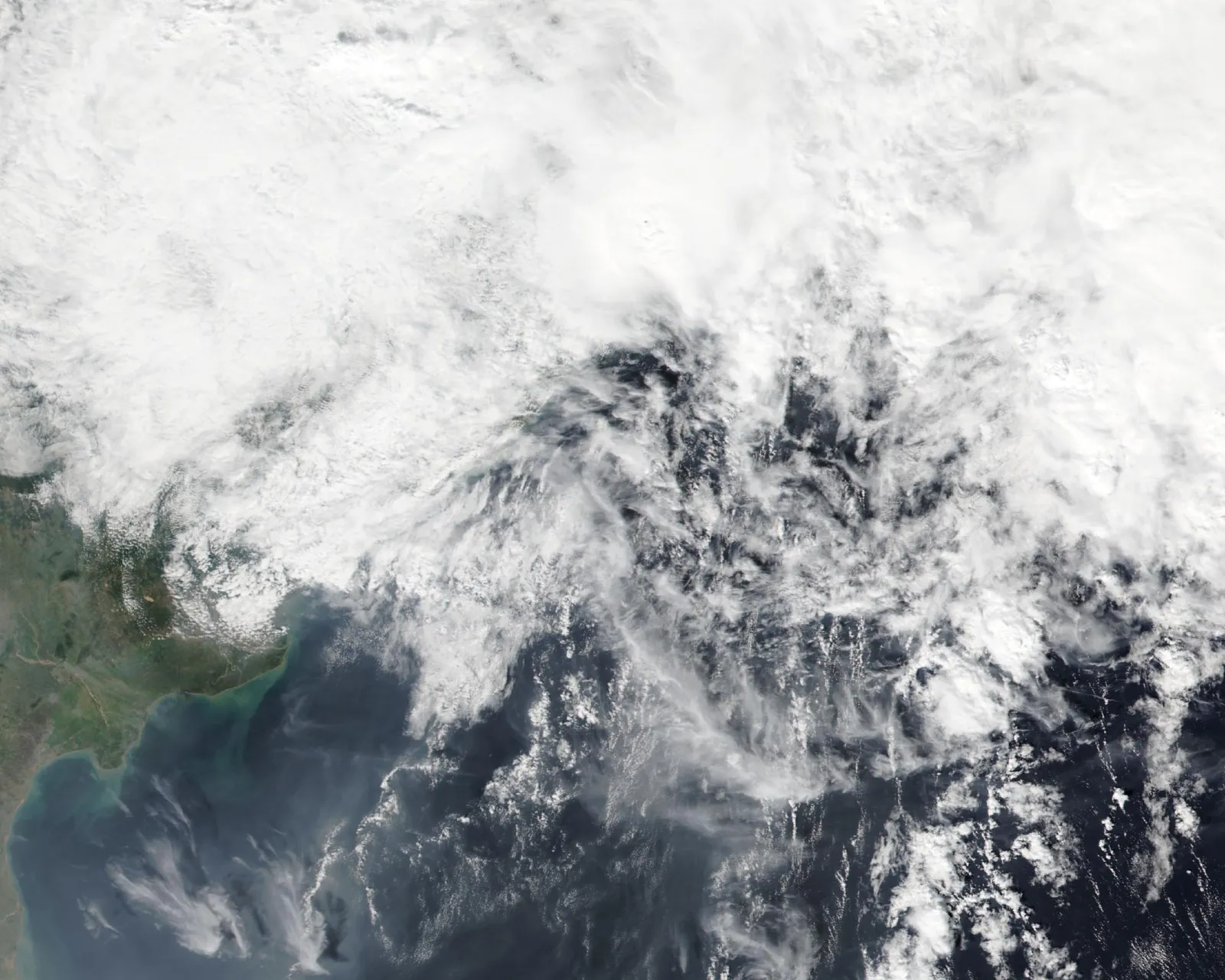
Cyclone Akvan struck the eastern coast of India on November 20, 2026, making landfall between north Andhra Pradesh and south Odisha near the town of Gopalpur. The storm brought sustained winds of up to 80 km/h and heavy rainfall before rapidly degrading into a deep depression as it tracked inland.
Ahead of the severe weather, local governments mobilized massive evacuation efforts, moving hundreds of thousands of people into temporary shelters. Initial post-landfall assessments from state officials confirmed no immediate fatalities or major structural damages, though localized flooding and disruptions to transport infrastructure occurred.
What happened
Cyclone Akvan crossed the coastline near Gopalpur between 02:00 and 03:00 UTC on November 20, 2026, according to the India Meteorological Department. The system arrived with sustained winds of 70 to 80 km/h and stronger gusts up to 90 km/h. Prior to landfall, early forecasts had anticipated a much stronger very severe cyclonic storm striking farther south between Nellore and Visakhapatnam with winds reaching 130 km/h. Instead, the system shifted north, arrived earlier than expected, and landed at a reduced intensity.
As the storm moved north-northwestward and then due north over Odisha, it quickly degraded. By 09:00 UTC, the system was downgraded to a deep depression centered about 80 km north of Gopalpur, packing maximum sustained winds of 50 to 60 km/h. Heavy rains accompanied the system across multiple districts. In Odisha, Patrapur recorded 209 mm of rainfall, while Hinjili and Chikiti registered over 190 mm. In neighboring Andhra Pradesh, Ichchapuram recorded 169 mm.
State authorities in Odisha launched extensive preventative operations, moving more than 300 000 people from 20 districts into safe shelters. Officials prepared over 9 000 cyclone shelters, activating more than 2 600 of them, and evacuated residents from nearly a thousand landslide-prone villages across districts including Ganjam, Gajapati, and Rayagada. The state deployed 418 rescue and relief teams, alongside satellite phones and mobile communication units. Transport was heavily impacted, with 47 trains canceled and 28 rescheduled, while educational institutions, beaches, and major tourist sites were closed as a precaution.
Why it matters
Severe weather systems in the Bay of Bengal regularly threaten millions of residents living along the densely populated low-lying coastlines of eastern India. The primary goal of large-scale evacuations and preemptive closures is to prevent mass casualties from storm surges, wind damage, and subsequent flooding. While initial reports from Odisha Chief Secretary Anu Garg indicated no deaths or catastrophic damage to public infrastructure, localized impacts were severe enough to disrupt daily life. Roads were inundated in Berhampur and Digapahandi, forcing work crews to deploy pumps to clear floodwaters.
The background
Tropical cyclones in the North Indian Ocean basin typically form in the Bay of Bengal and the Arabian Sea, particularly during the pre-monsoon and post-monsoon seasons. The India Meteorological Department monitors these systems, categorizing them based on wind speeds ranging from depressions to super cyclonic storms. Coastal states like Odisha and Andhra Pradesh have invested heavily in disaster management infrastructure, including thousands of dedicated storm shelters and pre-positioned response teams, following historical precedents of devastating cyclones that caused massive loss of life in past decades.
What happens next
The India Meteorological Department forecast the deep depression to weaken further into a standard depression and eventually dissolve into a well-marked low-pressure area. However, authorities maintain active warnings for moderate to high flash-flood risks across parts of Odisha, Gangetic West Bengal, and Jharkhand due to lingering heavy rainfall. Fishermen have been strongly advised to avoid the rough waters of the west-central and northwest Bay of Bengal until sea conditions stabilize.
- Cyclone Akvan crossed the coast near Gopalpur between 02:00 and 03:00 UTC on November 20, 2026, with sustained winds of 70 to 80 km/h.
- Odisha officials reported that more than 300 000 people from 20 districts had been moved to safe shelters ahead of the severe weather.
- Initial post-landfall assessments by state officials confirmed that no deaths or major public-infrastructure damage had been reported.
- The India Meteorological Department warned of a moderate flash-flood risk across parts of Odisha, Gangetic West Bengal, and Jharkhand.