
Cristian Mungiu’s new drama Fjord examines a high-stakes culture clash between a devout evangelical Romanian family and their progressive neighbors in a remote Norwegian village. The film explores a legal and cultural battle that erupts after child abuse allegations surface against the parents.
The feature won a Palme d’Or at the Cannes Film Festival and serves as Romania’s official entry for the best international feature category at the 2027 Oscars. It places an immigrant family at the center of a tense procedural drama that has already generated intense debate across Europe.
What happened
Fjord follows Mihai, a devout evangelical Romanian man played by Sebastian Stan, and his Norwegian wife Lisbet, played by Renate Reinsve. The couple moves to a remote fjord village in Norway called Stenes alongside their five children. Their conservative lifestyle quickly puts them at odds with their progressive neighbors.
The conflict escalates when a teacher notices bruises on one of the children and learns the parents practice corporal punishment. Because even the slightest corporal punishment is strictly illegal in Norway, state authorities intervene and remove the children into protective care. This sets off a grueling custody battle and a procedural nightmare that divides the community against the family.
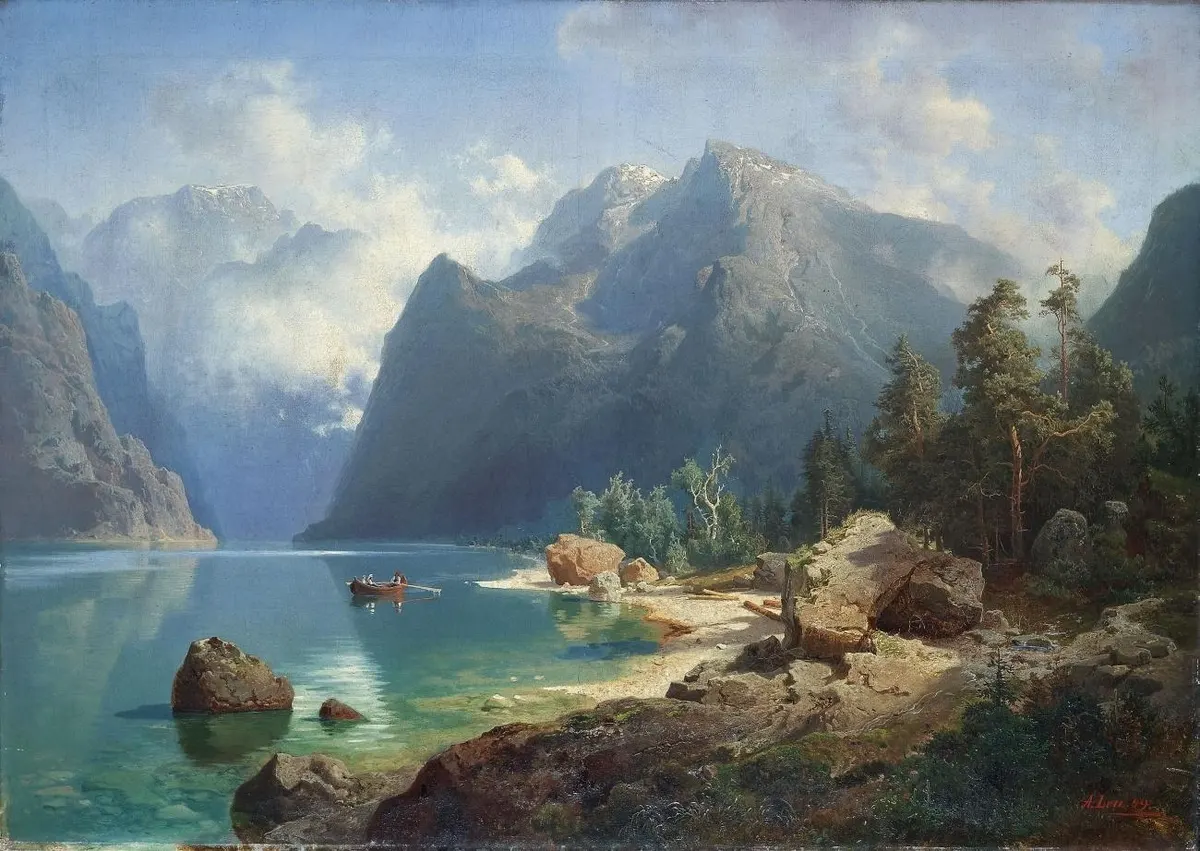
Director Cristian Mungiu shot the film over 36 days in spring 2025 in Western Norway’s Hjørundfjorden. He utilized wide, single-shot framing without cuts or close-ups to evoke the winter landscapes of Flemish Renaissance painter Pieter Bruegel the Elder. The remote setting was chosen specifically to isolate the characters and emphasize how human egos clash against majestic, intimidating nature.
Why it matters
The film touches on deep-seated political and cultural fault lines within the European Union, pitting dogmatic Nordic liberalism against eastern family values. When screened in Romania, it drew massive audiences and ignited polarized reactions regarding child abuse, religious conservatism, and state intervention in parenting.
Viewers and critics are sharply divided on the film's stance. Some praise it as a courageous critique of rigid state authorities and liberal dogmatism, while others argue it blurs moral boundaries regarding corporal punishment and extends undue sympathy to religious extremism.
The background
Fjord is loosely based on a real-life 2015 legal case involving Marius and Ruth Bodnariu. The Bodnarius were a Pentecostal Romanian-Norwegian couple whose five children were removed from their custody by Barnevernet, Norway’s child welfare authority, amid concerns over possible corporal punishment and religious indoctrination.
The real case caused severe diplomatic friction between Romania and Norway, triggering public demonstrations and extensive media coverage before the children were eventually returned and the family resettled in Romania. Mungiu’s film translates these historical tensions into a cinematic framework that continues to resonate with contemporary debates over migration and integration.
What happens next
Following its successful festival run and preview screenings in countries like Romania, Fjord is heading to other cultural events such as the London Film Festival. It is slated to compete in the international feature category at the Academy Awards in 2027, though exact commercial release dates for broader theatrical distribution remain to be fully detailed.
Key takeaways
- Cristian Mungiu’s Fjord won a Palme d’Or at Cannes and is Romania’s official selection for the 2027 Oscars.
- The film is loosely based on a real 2015 custody case involving a Romanian couple and Norway’s child welfare authority.
- The plot follows an evangelical family whose children are removed after teachers discover the parents use corporal punishment.
- The feature has sparked intense cultural debates across Europe regarding the clash between eastern family values and Nordic liberalism.