
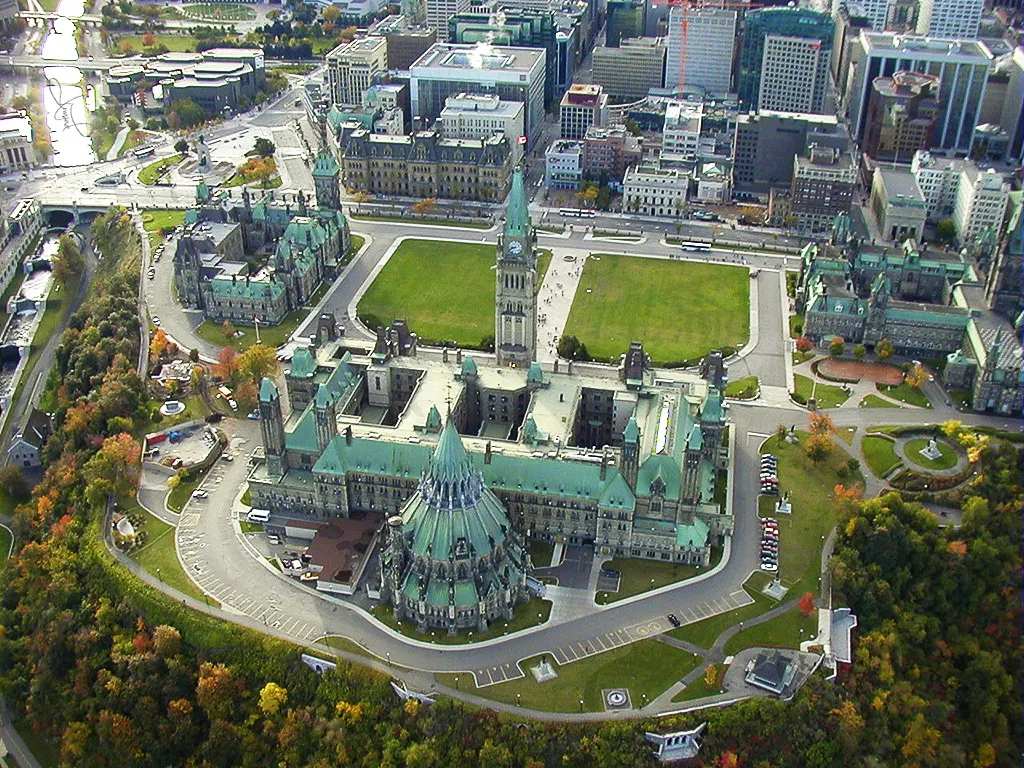
A citizen-led petition demanding the removal of US Ambassador to Canada Pete Hoekstra has officially been brought before the Canadian Parliament. The public appeal has gathered nearly 286,000 signatures, making it one of the most-signed e-petitions in the history of the House of Commons.
The push for Hoekstra's expulsion reflects deep public frustration with Washington as Canada and the United States remain locked in a turbulent trade dispute. Prime Minister Mark Carney's administration is now required by parliamentary rules to deliver a formal response to the petition by January.
What happened
The petition was initiated by Calgary resident Leanne Walker and formally sponsored in the House of Commons by Green Party MP Elizabeth May. Closing with 285,921 verified signatures, the document urges the Canadian government to declare Hoekstra persona non grata, the official diplomatic term used to expel a foreign envoy. It also calls on Ottawa to formally raise concerns over his conduct under the Vienna Convention on Diplomatic Relations and asks for a parliamentary review into alleged US interference in Canadian domestic affairs.
Signatories and critics have accused Hoekstra of normalising aggressive rhetoric from Washington, specifically pointing to US President Donald Trump's suggestions that Canada should become the 51st American state. The petition also highlights reported meetings between US State Department officials and members of the Alberta Prosperity Project, a group campaigning for the separation of Alberta from Canada. While Hoekstra has denied that the Trump administration supports Canadian separatists, his public defense of Trump's trade policies and his dismissal of Canadian anger have drawn fierce backlash.
Relations further deteriorated following a reported profanity-laced dispute between Hoekstra and an Ontario provincial official over an anti-tariff advertisement. The commercial featured former US President Ronald Reagan speaking in favor of free trade and aired during the World Series, prompting Trump to temporarily suspend trade negotiations.
Why it matters
The petition serves as a barometer for a broader collapse in public goodwill between two historically close neighbors. Surveys indicate that a stark majority of Canadians now view the United States as an unreliable partner, a dramatic shift from previous years. While public pressure is intense, the petition itself is non-binding, meaning it does not automatically force the removal of an ambassador.
Expelling a US diplomat would represent an unprecedented diplomatic escalation, severely straining relations during an active trade war where Canada is desperately seeking tariff relief on vital sectors like the auto industry. At the same time, Ottawa has warned that the economic relationship has altered permanently, requiring Canada to adapt regardless of who represents Washington in Ottawa.
The background
Pete Hoekstra, a former Republican congressman from Michigan and a staunch defender of Donald Trump, assumed his post as US ambassador to Canada in April 2025. His tenure has been marked by repeated clashes with Canadian politicians and the public over trade protectionism and sovereignty issues.
Trade hostilities escalated sharply after Washington imposed heavy tariffs on Canadian goods, accusing the country of unfair trade practices. In response, many Canadians have initiated boycotts of American products and curtailed travel across the border, deepening the economic chill between the two allies.
What happens next
Prime Minister Mark Carney's administration has until January to provide a formal response to Parliament regarding the demands laid out in the petition. Carney has previously rejected calls to expel the ambassador, and Hoekstra has maintained that he will remain in his position as long as the US president is satisfied with his work.
Key takeaways
- A parliamentary petition demanding the removal of US Ambassador Pete Hoekstra closed with nearly 286,000 signatures.
- The document accuses the ambassador of undermining Canadian sovereignty and normalising threats of annexation.
- Prime Minister Mark Carney's government is required to issue a formal response to Parliament by January.
- The petition reflects a sharp deterioration in public trust amid an ongoing trade war between Ottawa and Washington.