
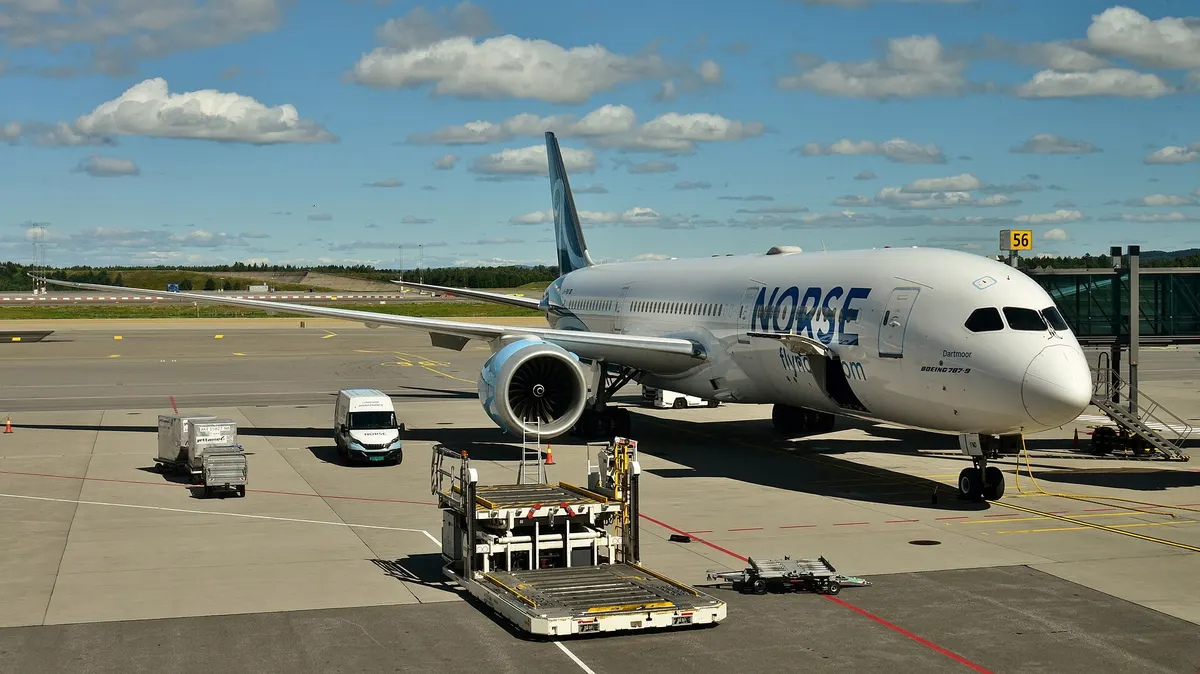
Budget airline Norse Atlantic has filed for bankruptcy for its main Norwegian operating subsidiary, marking another collapse in the European aviation sector. The airline halted all ticket sales, grounded its fleet, and cancelled all flights as it ran out of money.
CEO Eivind Roald stated that the company was unable to absorb the dramatic surge in jet fuel costs driven by the conflict in the Iran war. While the primary Norwegian operating unit faces insolvency proceedings, executives and advisers are attempting to find solutions for other parts of the business, including its UK subsidiary.
What happened
The crisis unfolded rapidly after Norse Atlantic declared its financial situation critical. The airline failed to secure sufficient fresh funding to meet its short-term liquidity requirements. On November 27, the board of its wholly owned operating subsidiary, Norse Atlantic Airways AS, decided to file a bankruptcy petition with the Agder District Court in Norway. Earlier on the same day, leasing firms that own the airline's fleet of 12 Boeing 787 Dreamliner aircraft terminated their contracts, though Norse contested the validity of these termination notices. The carrier also abruptly suspended a newly formed charter and leasing deal with Pakistan International Airlines. Customers holding tickets were advised not to go to the airport and told that customer service was no longer available, leaving them to navigate refund claims through the insolvency process.
Why it matters
The collapse of Norse Atlantic strands passengers worldwide and leaves thousands of customers questioning whether they will receive ticket refunds. The company employed over 1,000 workers, putting pilots, cabin crew, and support staff out of work and casting doubt on their futures. For the broader aviation market, the shutdown highlights the extreme vulnerability of low-cost carriers operating on tight margins during geopolitical crises. Without fuel hedging strategies in place to protect against oil price spikes, airlines face insurmountable operational costs when conflicts disrupt global energy markets and push jet fuel prices up drastically.
The background
Founded in 2001 by entrepreneur Bjorn Tore Larsen, Norse Atlantic was established to revive budget transatlantic flights after Norwegian Air abandoned its long-haul operations during the COVID-19 pandemic. The airline specialized in inexpensive long-distance routes linking Europe with North America, Africa, and Asia, utilizing a fleet of Boeing 787 Dreamliners. However, as a pure long-haul low-cost carrier, Norse lacked regional feeder connections to consistently fill its planes, forcing it to diversify into charter and aircraft leasing services. The airline's financial pressures compounded sharply following the outbreak of the war in Iran, which caused European jet fuel costs to double and remain highly volatile throughout the year.
What happens next
A bankruptcy trustee will be appointed by the Agder District Court to oversee the insolvency proceedings for the Norwegian operating unit. While the main operating subsidiary is entering bankruptcy, the parent company, Norse Atlantic ASA, and its UK subsidiary are exploring alternative strategies to preserve value for stakeholders and potentially allow remaining parts of the business to continue operating. Passengers attempting to recover funds have been directed to seek recourse through travel agents, booking companies, insurers, or credit card providers, though successful repayment is not guaranteed.
Key takeaways
- Norse Atlantic Airways AS filed for bankruptcy in Norway after failing to secure emergency funding to meet its short-term liquidity needs.
- Surging jet fuel costs linked to the ongoing war in Iran ultimately crippled the airline, which lacked fuel hedges to protect against price spikes.
- All flights were cancelled and ticket sales were halted, leaving passengers stranded and directed to submit refund claims through the insolvency process.
- The parent company and its UK subsidiary are still working to find alternative solutions to keep other parts of the business operating.