
Market regulators in South Korea, China, and Taiwan have introduced aggressive new measures to support their stock exchanges as a tech-fueled sell-off linked to the global artificial intelligence sector deepens. The coordinated policy interventions arrive as heavy exposure to semiconductor giants and artificial intelligence supply chains leaves these regional markets vulnerable to severe volatility. The core takeaway for readers is that governments across East Asia are actively deploying state funds, rule changes, and credit adjustments to halt steep market declines driven by shifting sentiment around artificial intelligence and global interest rates. ## What happened In South Korea, the finance ministry announced plans to prepare its securities-market stabilization fund for immediate activation. Originally established in 2020 during the Covid-19 pandemic by financial firms and institutions, the fund holds 10.76 trillion won, which equates to nearly $8 billion. Additionally, Seoul will relax daily share-buyback order limits for listed companies for three months starting November 24, and initiate a special intensive monitoring period to curb illegal short-selling while tracking margin lending and forced liquidations. South Korea's benchmark Kospi index has fallen deep into bear territory, dropping more than 46% from its June high due to wild swings in tech heavyweights Samsung Electronics and SK Hynix. In Taiwan, the Financial Supervisory Commission moved to completely prohibit short selling below the previous trading day's closing price, with narrow exceptions for hedging purposes by securities and futures firms. Taipei also increased margin requirements for short selling and suspended applications from securities firms to issue warrants for listing. Taiwan encouraged local firms to buy back shares by tying those purchases to environmental, social, and governance scores for the fourth quarter of 2026 and the first quarter of 2027. This follows a 15% drop last week in chip manufacturing giant TSMC and a 17.5% decline in the broader island index. Meanwhile, mainland China adopted an opposing approach to encourage liquidity. The Shanghai Stock Exchange announced that exchanges in Shanghai, Shenzhen, and Beijing will lower the minimum margin ratio for margin-financed stock purchases from 100% to 80% starting November 30, allowing investors to borrow more for trades. These exchanges also cut transaction fees, and Shenzhen proposed a market-making mechanism for its ChiNext board to inject liquidity into a market where the CSI 300 index has closed lower for 14 of the past 15 weeks. ## Why it matters Millions of investors and the broader economic stability of East Asian manufacturing powerhouses are directly affected by the sharp contraction in technology valuations. South Korea, Taiwan, and China anchor the hardware manufacturing backbone of the global digital economy, supplying advanced semiconductors and components that power artificial intelligence infrastructure worldwide. When these regional equities suffer steep double-digit declines, it signals deep anxiety among investors regarding the massive capital expenditures poured into artificial intelligence and whether those technologies will yield timely financial returns. The regulatory interventions matter because they show governments stepping in to prevent panic-driven credit crunches and forced liquidations that could spill over into the wider economy. ## The background South Korea and Taiwan have economies heavily concentrated around semiconductor fabrication and electronics supply chains, making them exceptionally sensitive to shifts in global technology cycles. Companies like Samsung Electronics and SK Hynix in South Korea, along with Taiwan Semiconductor Manufacturing Company, are critical pillars of the global artificial intelligence boom. Over recent years, investors piled heavily into these tech heavyweights, driving valuations up before sentiment soured. South Korea's finance ministry noted that recent volatility stems from a combination of internal and external uncertainties surrounding global artificial intelligence and semiconductor industries, compounded by U.S. interest rate hikes. Mainland China's markets have similarly suffered as a broader economic slowdown coincided with the cooling of the tech and artificial intelligence trade. ## What happens next It remains to be seen whether these emergency regulatory steps will successfully restore investor confidence or merely delay a deeper market correction. South Korea's three-month relaxation of share-buyback limits is scheduled to begin on November 24, and mainland China's reduced minimum margin ratio for stock purchases takes effect on November 30. Regulators in Seoul have stated that mid-to-long-term growth expectations for the artificial intelligence industry remain intact and that excessive anxiety is unwarranted. Further market performance will depend heavily on upcoming earnings reports from major chipmakers and broader macroeconomic trends, including monetary policy decisions in the United States. ## Key takeaways - Market regulators in South Korea, China, and Taiwan have introduced new measures aimed at supporting markets as a tech-fueled sell-off spills into another week. - South Korea is preparing its 10.76 trillion won securities-market stabilization fund for immediate activation and relaxing daily share-buyback order limits for three months starting November 24. - Taiwan's Financial Supervisory Commission completely prohibited short selling below the closing price and increased margin requirements to curb speculative activity. - Mainland China is taking the opposite approach by cutting the minimum margin ratio for margin-financed stock purchases from 100% to 80% starting November 30 to inject liquidity.
Finance
Asian Financial Regulators Intervene as Tech Sell-Off Rocks Markets
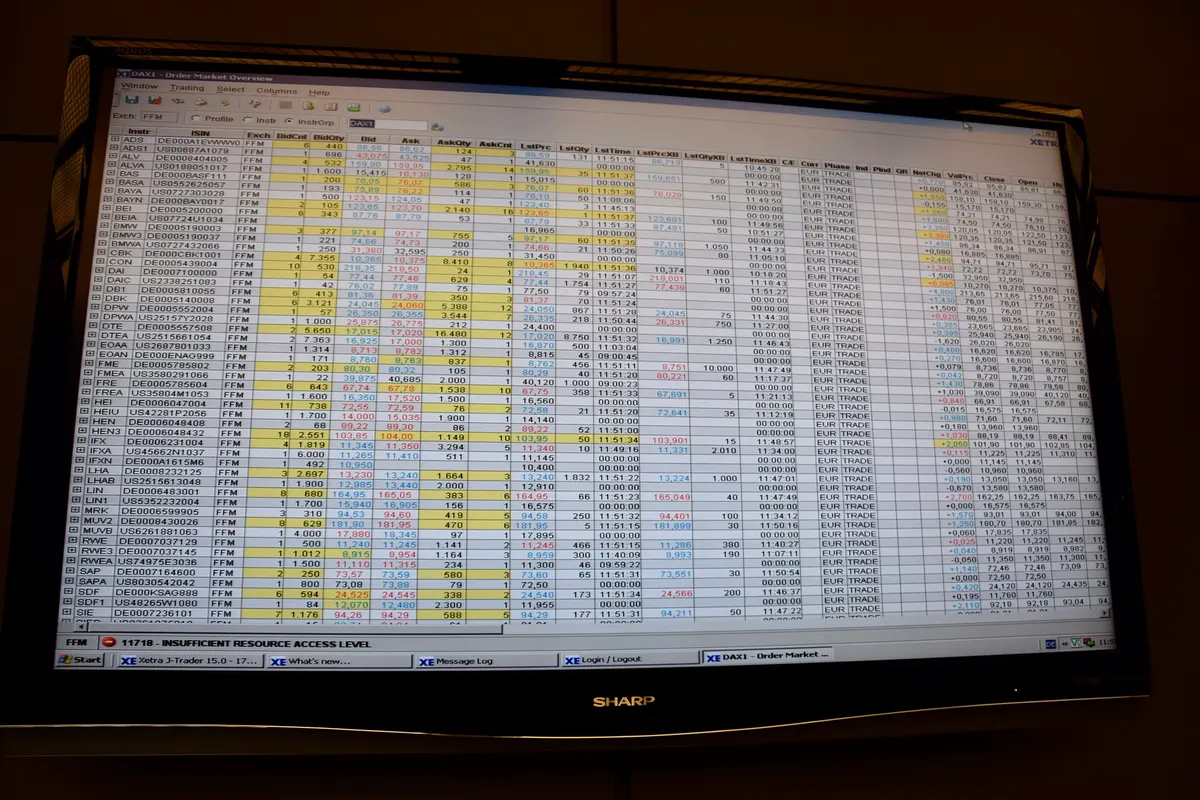
Photo: Ank Kumar, CC BY-SA 4.0 / Wikimedia Commons
Market regulators in South Korea, China, and Taiwan have introduced aggressive new measures to support their stock exchanges as a tech-fueled sell-off linked to the global artificial intelligence sector deepens.
Go deeper
Want more on this story? Our research assistant searches the latest reports across the web and explains what it finds, so you get the fuller picture in one place.