
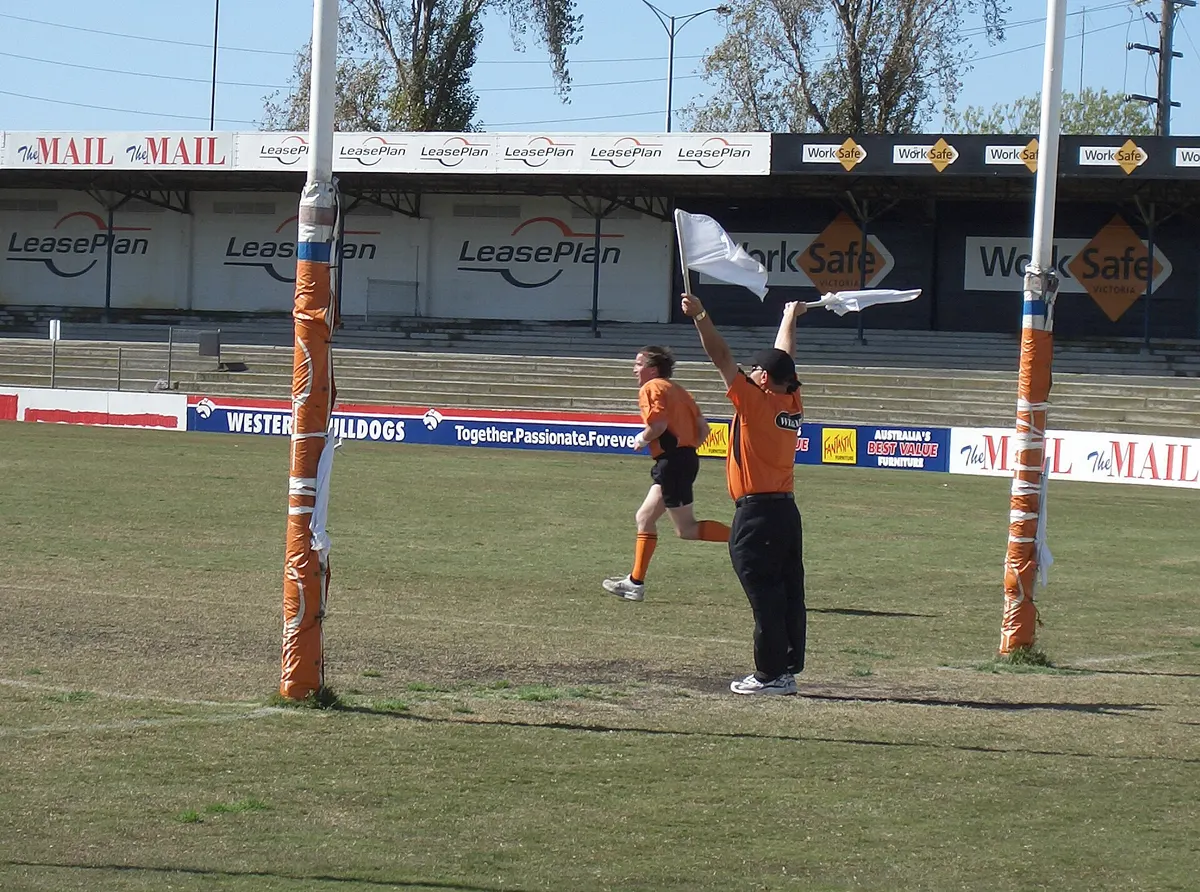
The Australian Football League is weighing a radical shake-up of its season structure as it prepares for Tasmania to enter the competition as the 19th team in 2028. With an odd number of teams requiring an even number of matches, the traditional home-and-away format must change.
Officials are consulting with clubs and broadcasters about two distinct proposals. One option introduces a 24-game season with an extra neutral round, while the second option proposes a truncated 20-game season followed by a controversial three-week group stage that critics argue would generate severe fixture inequality.
What happened
The league has narrowed its future structure down to two distinct possibilities. The first option is a 24-game season consisting of 11 home games, 11 away games, the existing Gather Round, and an extra neutral round. This neutral round could see matches sold to interested cities, or played regionally or internationally. However, concerns have been raised over whether this option would actually generate additional revenue, as the league would need to negotiate a new financial deal with players while clubs absorb extra travel and wage costs.
The second and more radical option proposes a 20-game season. This would feature a full round robin plus Gather Round and Rivalry Round, followed by a three-week group stage model. During these three weeks, the top eight teams would play each other for ladder positions, while teams ranked 9th through 16th would battle for the final two wildcard spots. Under this format, the team sitting 16th on the ladder would likely have to defeat the teams ranked 9th, 10th, and 11th to qualify for the finals. Meanwhile, the bottom three teams placed 17th through 19th would play each other in just two games, competing for a later draft pick or financial reward rather than Pick 1.
Why it matters
The proposed changes have sparked fan backlash and threats of a boycott, primarily due to the group-stage format allowing a lowly ranked team to contend for a championship. Scrapping the traditional ladder generated by the home-and-away season in favor of a short group stage introduces significant fairness concerns for both clubs and supporters who already worry about existing fixture disparities.
The league's overarching goal is to eliminate dead rubbers at the end of the season. A previous expansion from a top eight to a top 10 for the 2026 season backfired slightly when the league had to warn clubs against resting players en masse during the final round. Finding a structure that keeps matches meaningful without creating manufactured inequalities remains a central challenge.
What happens next
The AFL is currently consulting with clubs and broadcasters regarding the two season structures. No final decision has been made, but the league must settle on a format before Tasmania officially enters the competition as the 19th team in the 2028 season.
Key takeaways
- The AFL must change its season structure for 2028 when Tasmania joins as the 19th team and breaks the current 23-game fixture.
- One proposed format features a 24-game season with an extra neutral round played internationally, regionally, or in sold cities.
- A more radical proposal introduces a 20-game season followed by a three-week group stage where the 16th-placed team could potentially qualify for the finals.
- Fans have threatened a boycott over the radical group-stage proposal due to concerns over fixture inequality and the integrity of the finals race.