
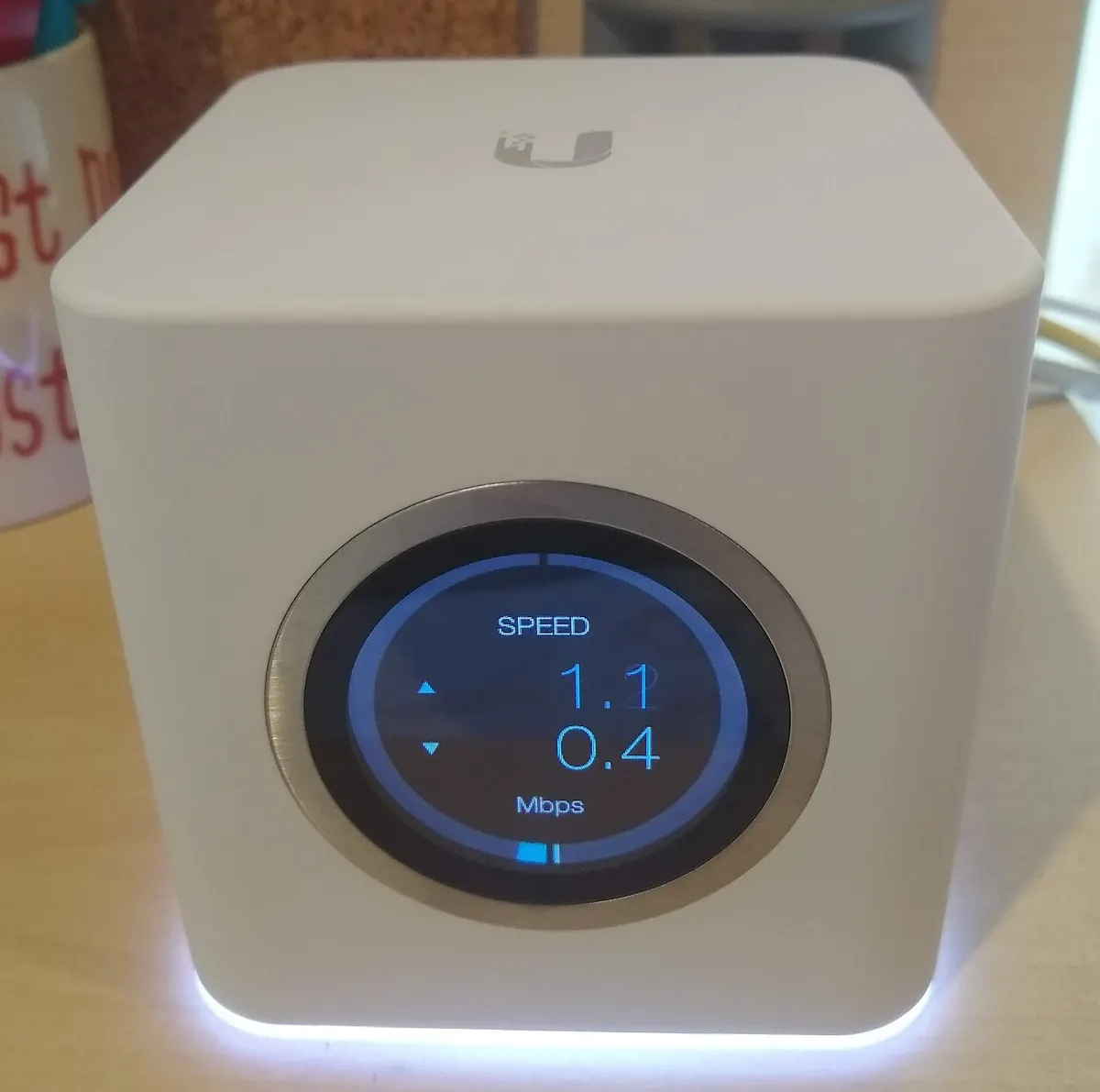
Mesh routers are among the hottest-selling types of routers in networking, and leading the charge are products based on the Wi-Fi 7 standard. Mesh routers enable you to fully cover your home or office with wireless coverage that would otherwise be impossible with a single, standalone router.
Numerous manufacturers are producing Wi-Fi 7 mesh routers to eliminate dead zones and improve overall wireless performance. Reviewers note that different models cater to specific needs, whether that means prioritizing seamless integration with Amazon services or seeking extensive configuration options and free parental controls.
What happened
When shopping for a network upgrade, reviewers point out that not all Wi-Fi 7 routers are created equal. The primary differentiator among these routers comes down to the number of supported bands. Dual-band routers only support the 2.4 GHz and 5 GHz bands, while tri-band routers add the higher-performing, shorter-range 6 GHz band, giving them a significant theoretical speed advantage over older Wi-Fi 6E predecessors. Some manufacturers also offer quad-band routers featuring either two 5 GHz wireless bands or two 6 GHz bands.
Among the available hardware, the Asus ZenWiFi BT6 won top marks in testing for delivering the highest download speed scores, averaging out at 652.7 Mbps on the Internet Health Test, while also providing stable performance for streaming and gaming. However, testers noted that its power adapter is slightly smaller than those from competitors, preventing it from blocking multiple slots on power strips, though its companion app can be confusing regarding parental controls.
TP-Link offers a wide range of options, from the entry-level Deco BE23 with dual-band wireless and 3.6 Gbps throughput, to the mid-range tri-band Deco BE63 and Deco 7 Pro BE10000, and the flagship Deco BE95 which supports four bands and delivers up to 33 Gbps of throughput. Meanwhile, Amazon's house brand offers the Eero Pro 7, a mid-range tri-band Wi-Fi 7 router praised for serious speed and a nice user interface that covers up to 4,000 square feet.
For users looking at standalone routers with mesh capabilities, the TP-Link Archer BE550 provides tri-band coverage up to 2,000 square feet, a 2.5 Gbps WAN port, and EasyMesh support to expand into a full mesh network later.
Why it matters
Using an old and outdated router is detrimental to a network because it can cause sluggish internet speeds, constant connection drops, and limited range alongside security vulnerabilities. Upgrading to a modern mesh system ensures that large homes or offices receive uniform wireless coverage. The choice of specific bands and ports directly impacts whether a user can maximize multi-gigabit internet connections for heavy tasks like 4K streaming and competitive online gaming.
The background
Wi-Fi 7 is technically referred to as the 802.11be Extremely High Throughput standard. It introduces Multi-Link Operation technology, which allows devices to send and receive data over the 2.4 GHz, 5 GHz, and 6 GHz bands at the same time via a single connection, promising theoretical speeds of up to 46 Gbps. Mesh networking systems evolved to solve the physical limitations of traditional standalone routers, which often struggle to penetrate thick walls or cover multi-story buildings.
What happens next
As manufacturers continue to expand their product lineups with various band configurations and port speeds, consumers can choose models tailored to their specific apartment or house size. Specific compatibility quirks, such as potential issues with Verizon Fios noted by some reviewers for certain Asus models, remain factors for buyers to research before purchasing.
Key takeaways
- Mesh routers work in pairs or trios to expand coverage wirelessly across homes and offices that a single standalone router cannot reach.
- The primary differentiator among Wi-Fi 7 routers is the number of supported bands, with tri-band systems adding the high-performance 6 GHz band.
- The Asus ZenWiFi BT6 achieved top download speeds in testing, averaging 652.7 Mbps on the Internet Health Test.
- TP-Link offers options ranging from entry-level dual-band models up to the flagship Deco BE95, which supports four bands and delivers up to 33 Gbps of throughput.